Albariño is prized for freshness rather than weight. Its citrus, orchard-fruit and sometimes saline character makes it a natural partner for seafood, but that is only the beginning of what it can do at a tapas table.
The useful way to choose one is to look at origin, producer and style, then serve it cool—not numbingly cold—so its aroma remains present.
| Plate | Why it works | Keep in mind |
|---|---|---|
| Anchovies or boquerones | Acidity refreshes after salt and oil. | Keep the garnish restrained. |
| Tuna belly | Freshness balances the soft, rich texture. | Serve the conserva near cool room temperature. |
| Manchego | Fruit and acidity contrast with firm sheep’s cheese. | Choose a younger wedge for the lightest match. |
On a small screen, swipe or scroll across to compare.
What Albariño tastes like
Expect freshness first: citrus, green fruit, floral notes and a clean finish are common reference points. Individual bottles vary, so use those as a map rather than a promise.
When tasting, separate flavour from structure. Fruit and floral notes describe aroma, while acidity explains why the wine can refresh the palate after olive oil, cured fish or cheese. If a bottle feels sharper on its own, try it with food before deciding; salt and fat can make that same freshness feel purposeful rather than severe.
Why the coast matters
Albariño is closely associated with Rías Baixas in Galicia. The Atlantic setting helps explain why the wine is so often discussed beside shellfish and fish, although the pairing works because of structure, not geography alone.
Rías Baixas is not a single uniform style. Subzone, site, vintage and winemaking choices can all affect weight and aroma, so two bottles carrying the same regional name may behave differently at the table. Treat the appellation as reliable context, then use the producer's description and your own tasting to understand the particular bottle.
Thirty-second bottle check
- Look for the producer and region, not just the grape name.
- Choose the bottle size for the number of drinkers.
- Chill in advance but do not freeze.
- Plan one salty or seafood plate and one milder contrast.
Taste Albariño three ways
These active Casa Manolo bottles allow a direct comparison without changing the grape.
 Casa Manolo Albariño (Limited Edition)
 Lusco Albariño
 Cinco Islas Oro Albariño
Serve it with enough warmth to smell
Chill the bottle, then allow the glass a moment. If it is so cold that little aroma appears, wait before judging it. Use a clean medium-sized white-wine glass rather than filling it to the rim.
Pour a small first measure and keep the bottle chilled while the glass develops. This avoids warming the entire bottle and lets you observe the wine at more than one temperature. Condensation, scented washing products and residual detergent can all interfere with aroma, so use clean, neutral-smelling glassware.
Build the plate around freshness
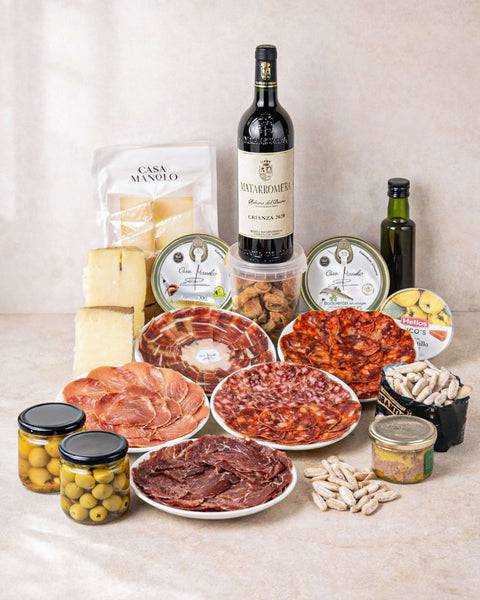
Try prawns, anchovies, tuna belly, piquillo peppers or a simple tortilla. Avoid loading every bite with strong chilli, sweetness and vinegar at once.
Build pairings around the dominant feature of the dish. With anchovies, acidity and salt need balance; with tuna belly, the issue is richness; with piquillo peppers, gentle sweetness matters. A squeeze of lemon, a sweet glaze and chilli on the same plate can create more competition than the wine needs.
How to choose one bottle for a mixed tapas table
List the two richest and two saltiest dishes you plan to serve. If seafood, conservas and lighter vegetables dominate, Albariño is a sensible starting point. Read the exact bottle description for clues about body or ageing rather than expecting every Albariño to be identical. For a first purchase, prioritise a clearly identified producer and region over decorative label language.
At the table, serve one uncomplicated bite before the most highly seasoned dish. Taste the wine alone, then with that bite, and notice whether it cleans the palate or disappears. If the pairing feels too sharp, add bread or a richer component; if it feels flat, reduce sweetness and heavy sauce. This small adjustment is more useful than searching for a supposedly perfect universal pairing.
Run a useful three-glass comparison
Taste the three Albariños in the same glasses and at the same temperature. Begin without food, noting aroma, acidity and the length of the finish in ordinary words. Then add one plain picos and one small piece of tuna or anchovy. The aim is not to rank labels quickly; it is to notice which bottle stays clearest beside salt, oil and texture.
Keep each pour modest and return to the first glass after ten minutes. A wine that seemed quiet when very cold may become more expressive as it warms slightly. Record the bottle and food combination you would genuinely serve again, because that practical preference is more useful than a list of tasting terms.
More Spanish food, served simply
Join Casa Manolo notes for practical serving guides, new articles and occasional offers.
Useful emails only. You can unsubscribe at any time.
Albariño questions
Is Albariño always dry?
Many examples are dry, but check the individual bottle description rather than assuming from the grape alone.
Can it work with cheese?
Yes. A semi-cured Manchego can work well because the wine’s freshness offsets the cheese without overwhelming it.
Should Albariño be decanted?
Usually a clean glass and a few minutes are enough. Taste first before adding an unnecessary step.
The short answer
Choose Albariño when you want a fresh Spanish white that can handle salt, seafood and a varied tapas table. Serve it cool, keep the accompaniments clear and let acidity do the work.
Keep exploring
Source: D.O. Rías Baixas.