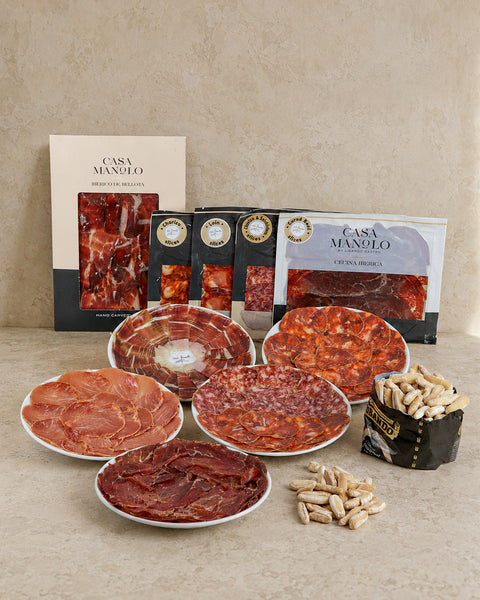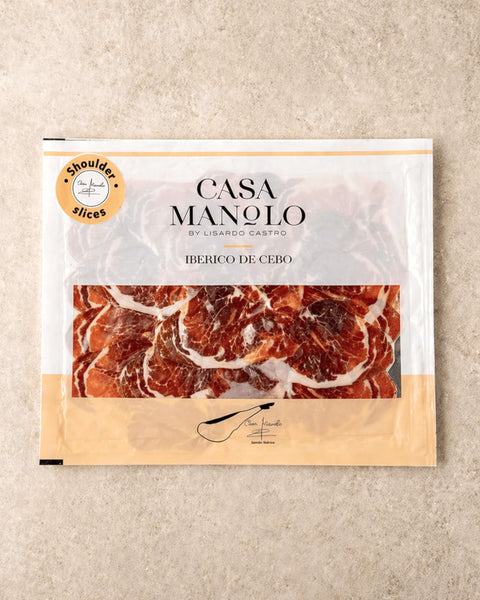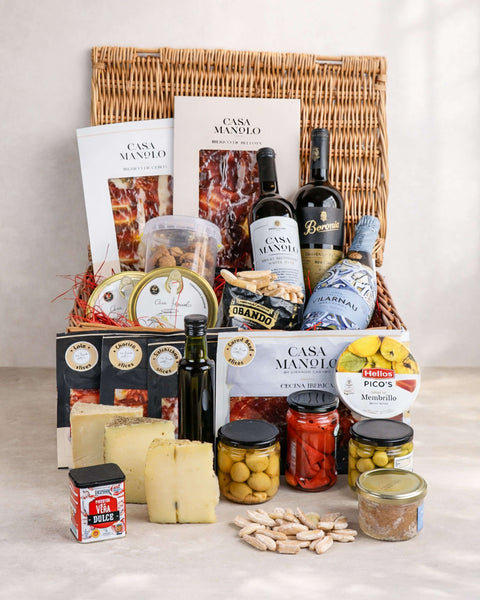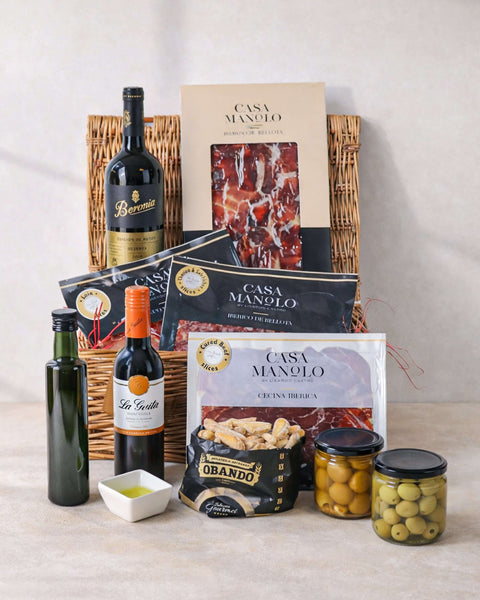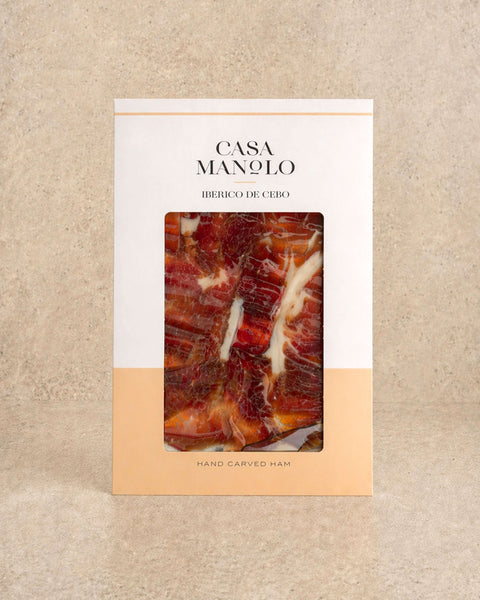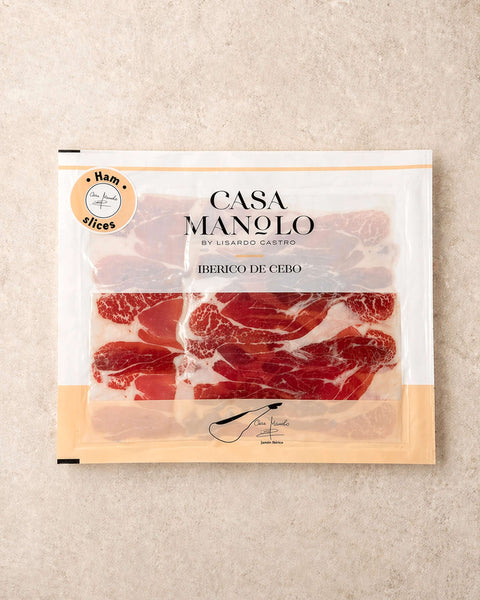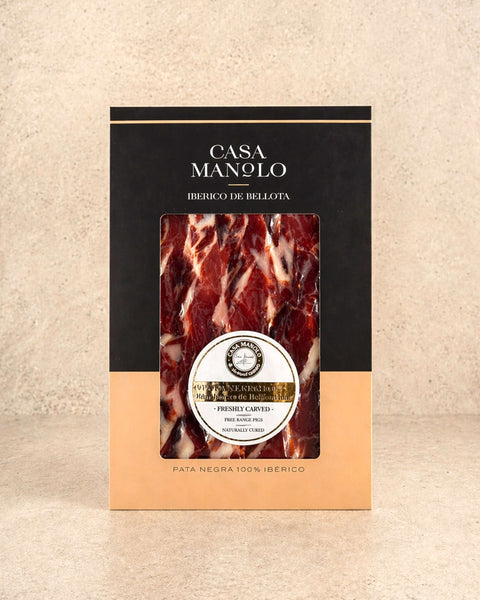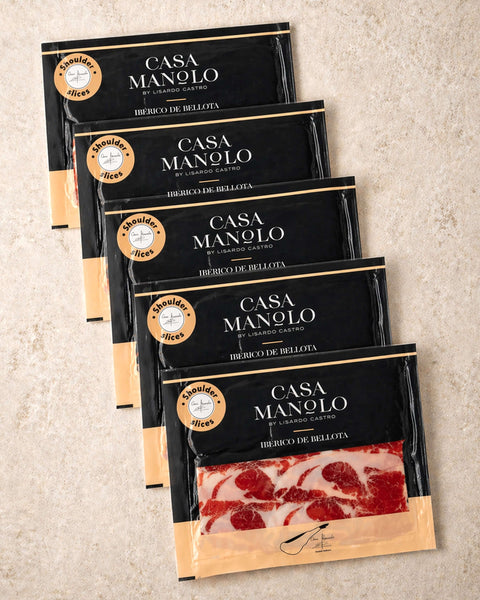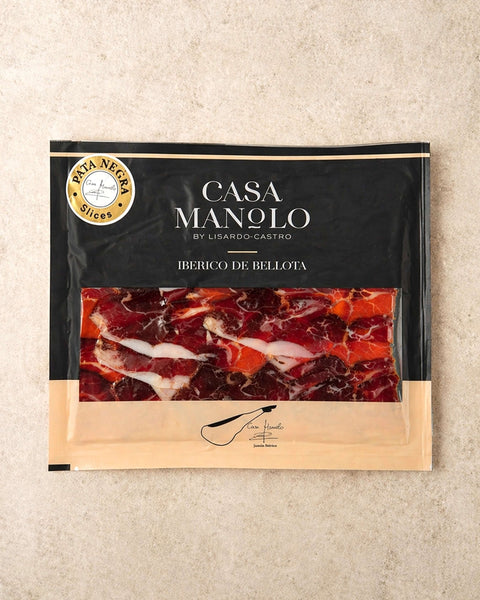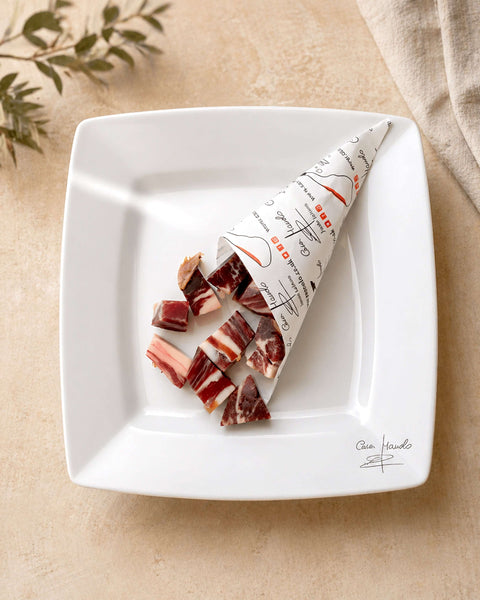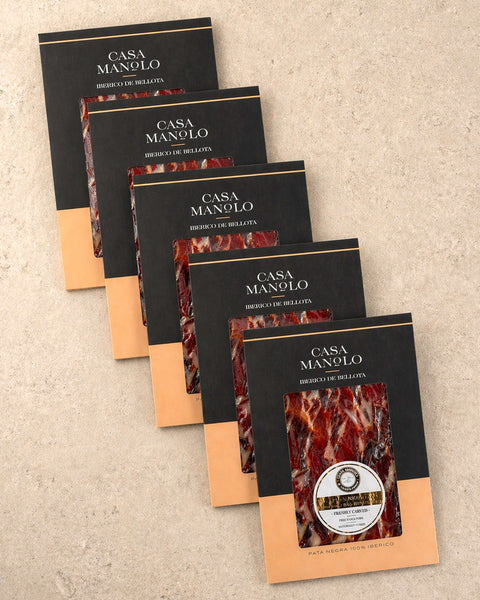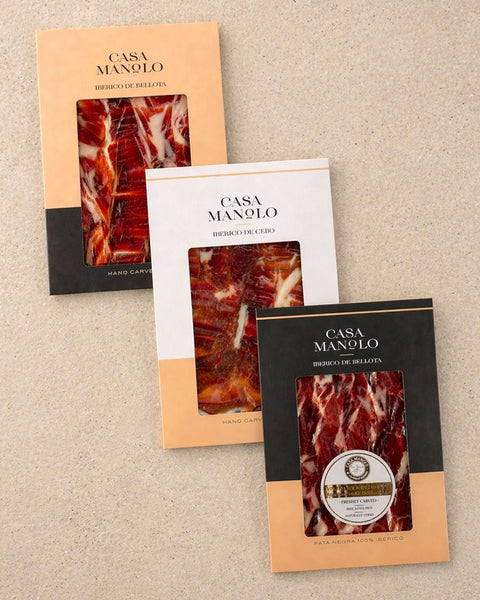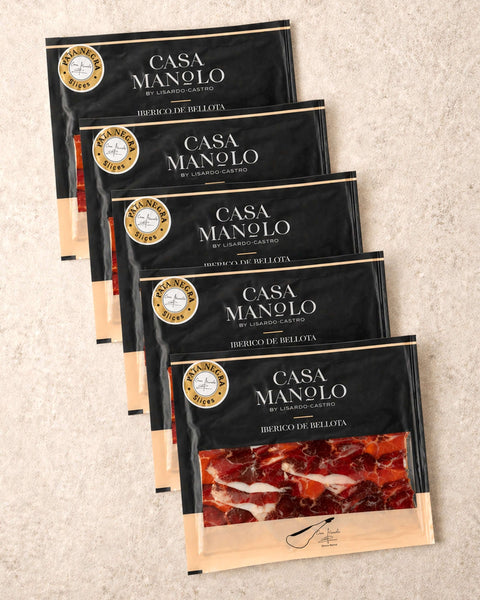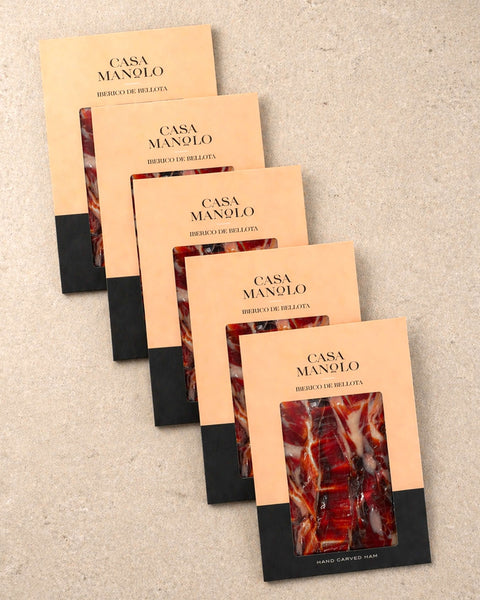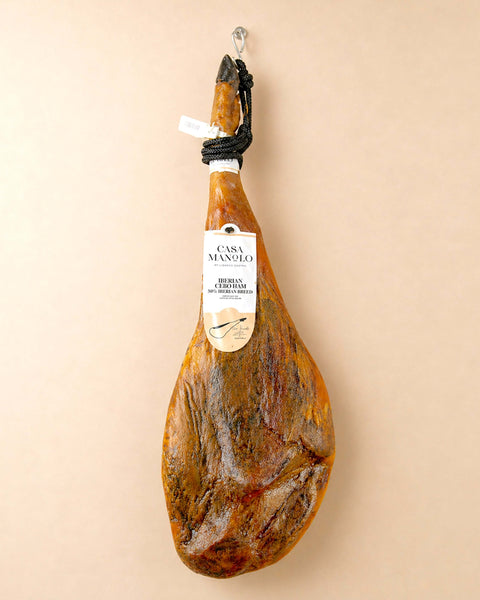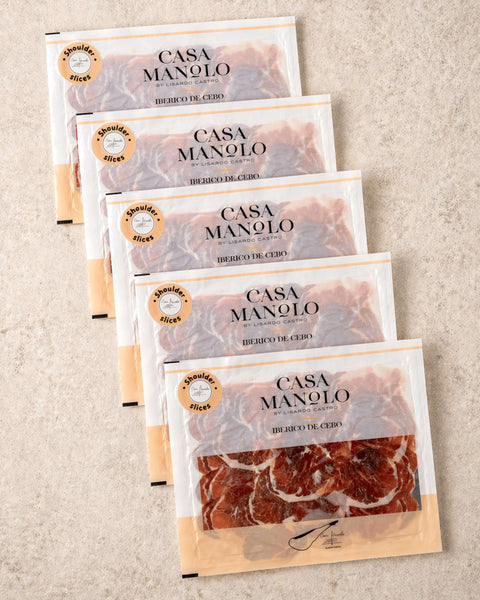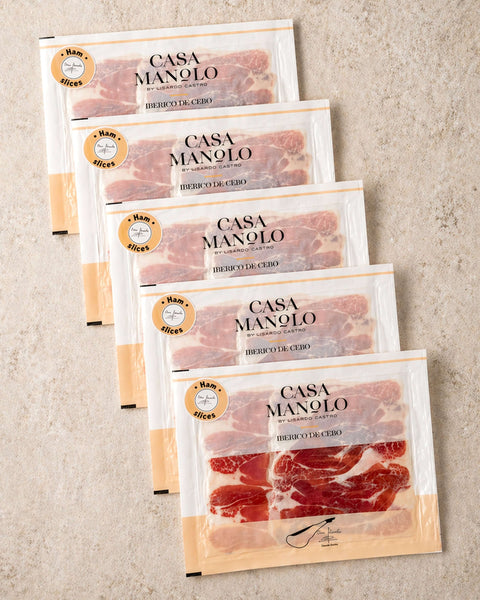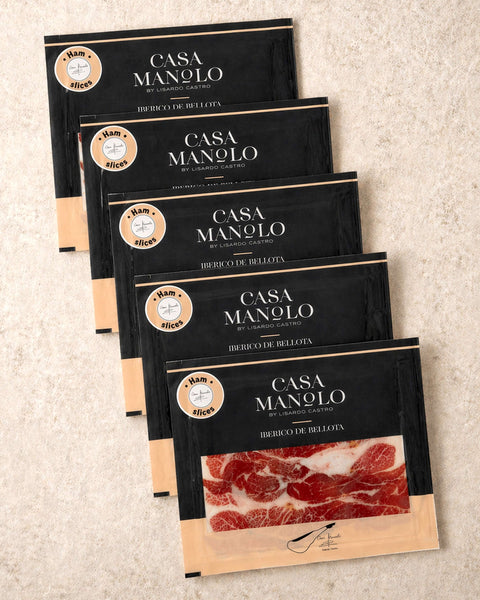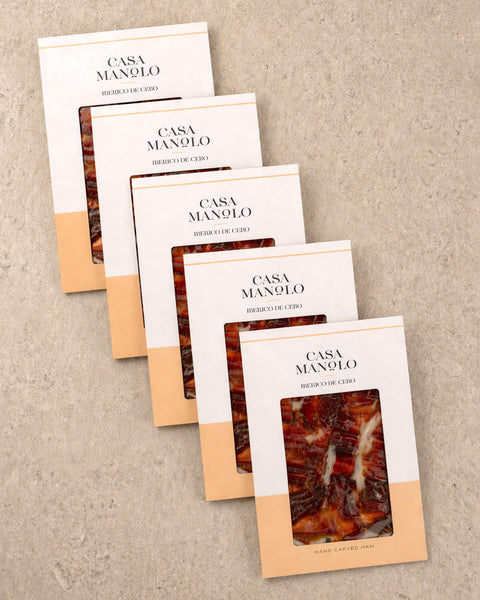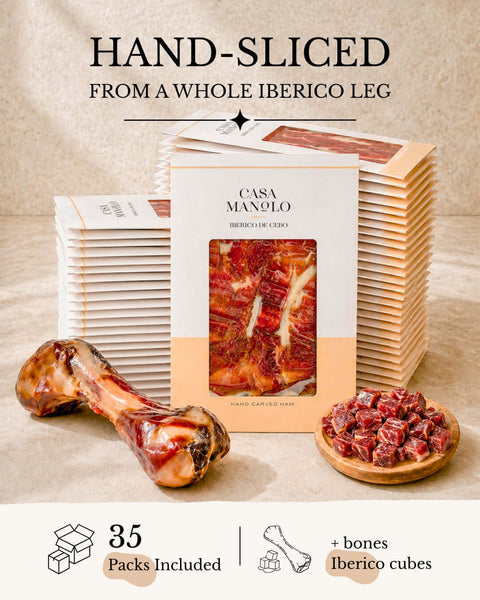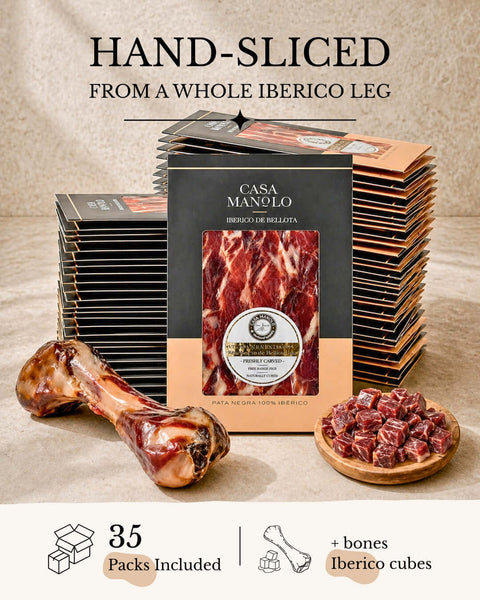
Good Jamón Ibérico needs very little preparation. Store it according to its format, bring only your serving portion towards room temperature and arrange the slices loosely on a plate.
The pack’s instructions come first. A whole cured leg and a vacuum-packed sliced portion are different products, so one storage rule cannot cover both.
| Format | At home | Before serving |
|---|---|---|
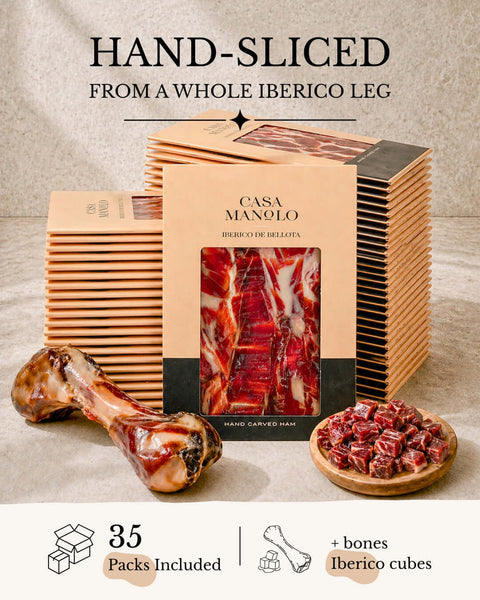
| Sliced packs | Follow the label; refrigerate when instructed | Take out only the portion you intend to serve |
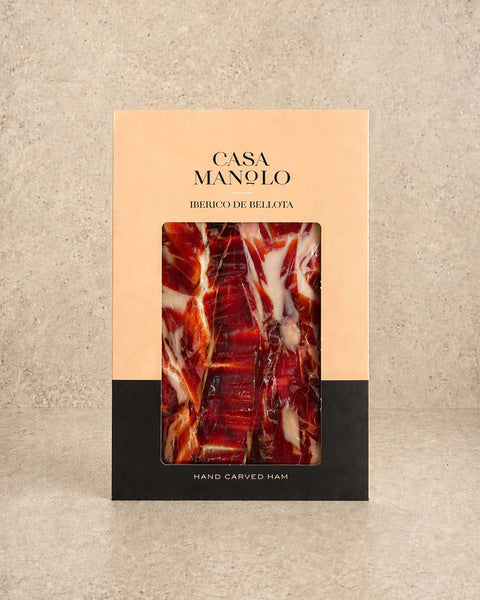
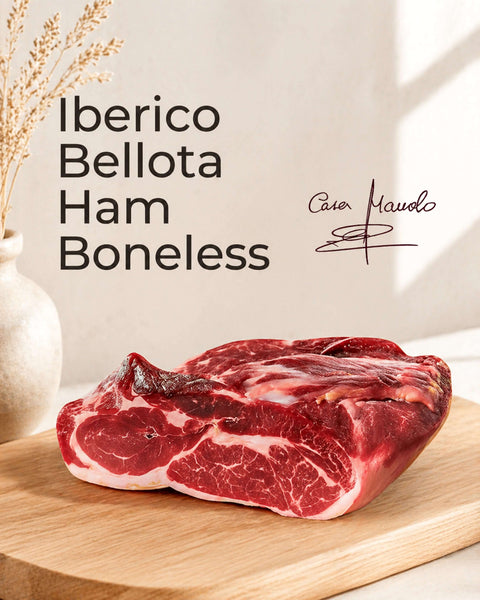
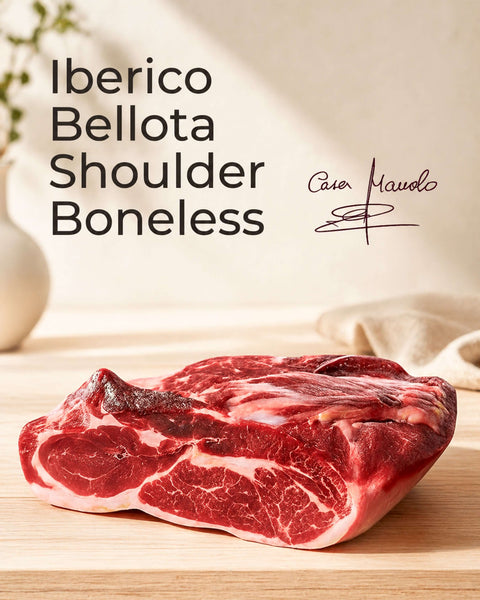
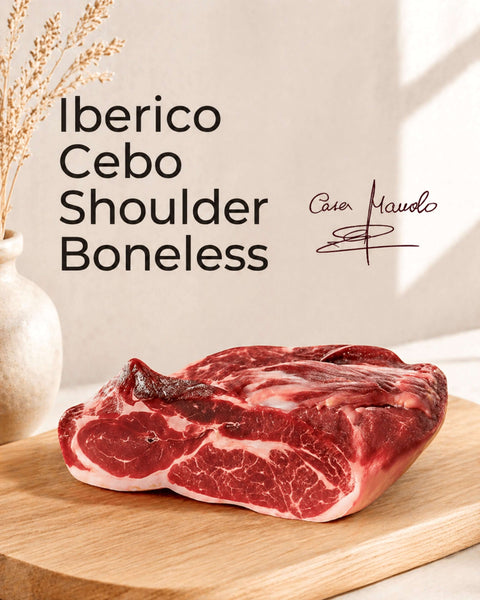
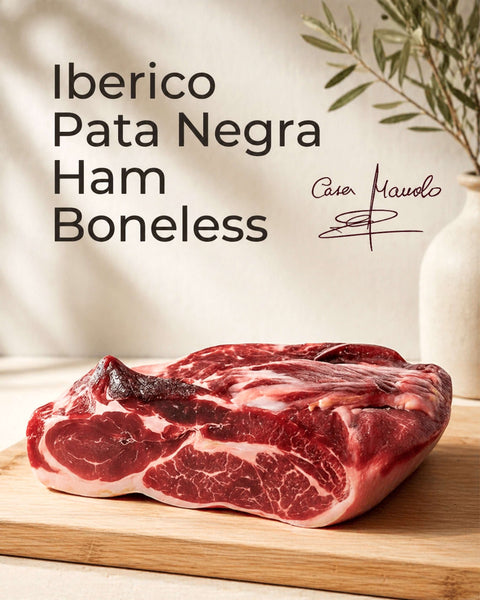
| Boneless piece | Follow the supplier’s chilled-storage and wrapping instructions | Slice a manageable amount with clean equipment |
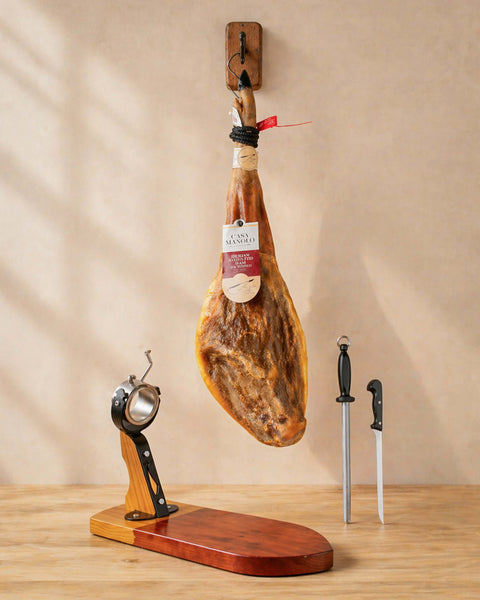
| Whole cured leg | Use the supplier’s specified cool, dry storage conditions | Secure the ham before carving; protect the cut face afterwards |
| Opened pack | Observe both the date and the stated use-up period | Keep the remaining portion covered and stored as directed |
On a small screen, swipe or scroll across to compare.
Keep sliced ham properly chilled
If the label says refrigerate, keep the ham in the fridge. Do not move it to a warmer place for days to improve its flavour. The Food Standards Agency recommends a fridge temperature of 5°C or below; a fridge thermometer helps you check it.
After opening, follow the stated use-up period and the use-by date, whichever comes first. There is no reliable universal number of days for every pack of cured ham. If the packaging is damaged or the storage history is uncertain, ask the supplier before serving.
Let the serving portion relax
For chilled slices, around 20–30 minutes out of the fridge can be a useful starting point in a cool room, subject to the producer’s instructions. In warm weather, use less time. The aim is supple slices with a little gloss to the fat.
Separate the slices gently once they soften. Avoid microwaving them or placing the pack on a radiator: direct heat is unnecessary. Keep the rest stored correctly and bring out another small portion if you need it.
Caring for a whole leg
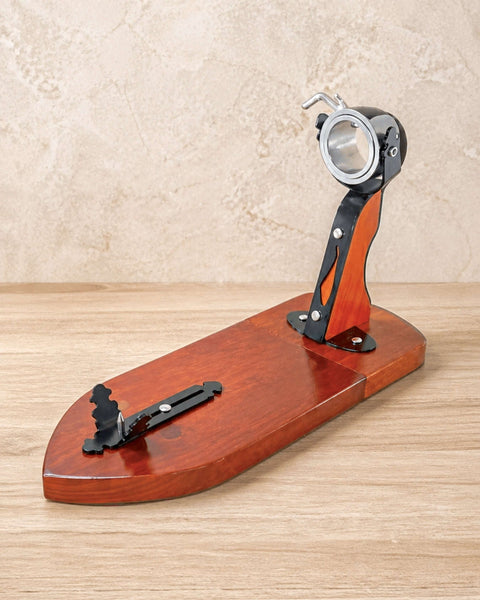
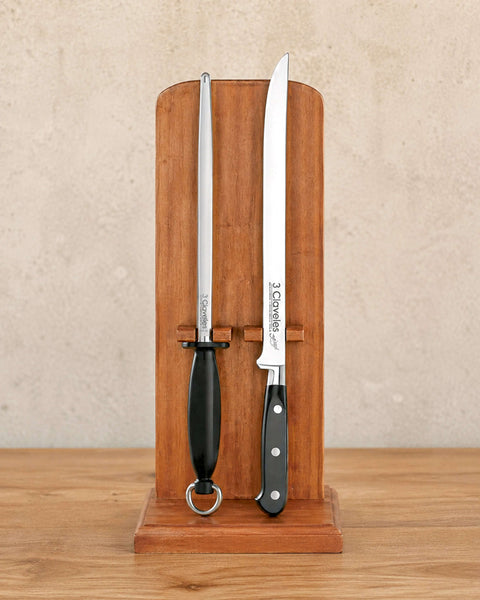
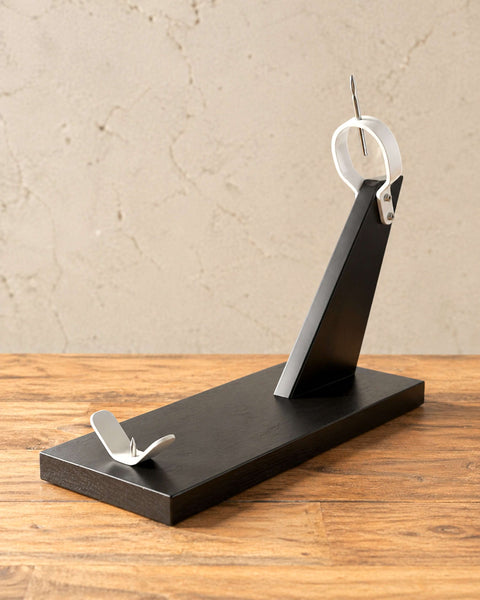
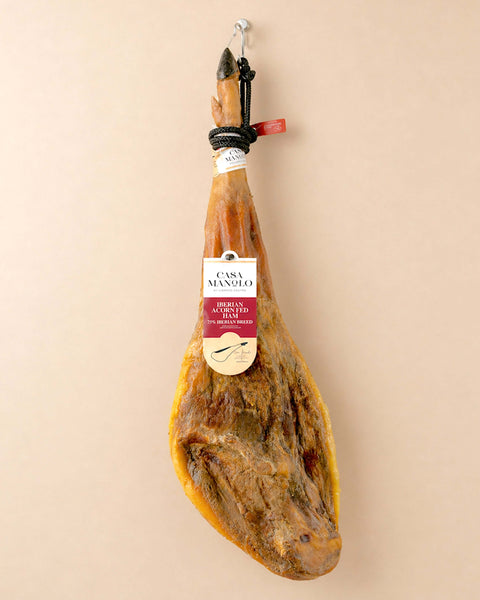
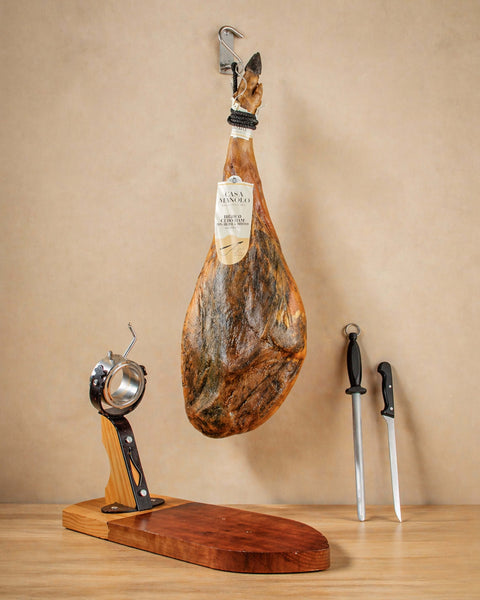
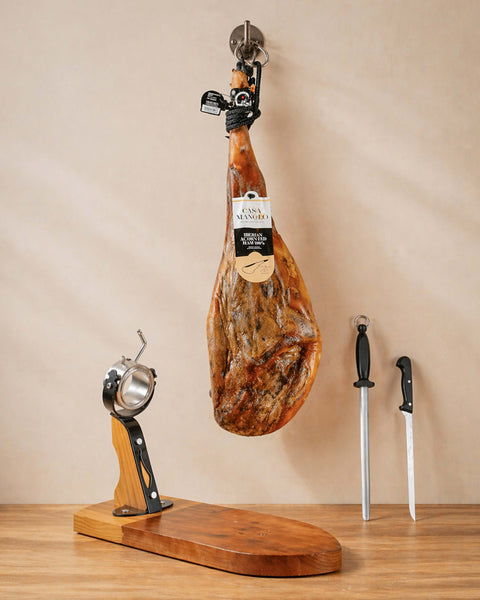
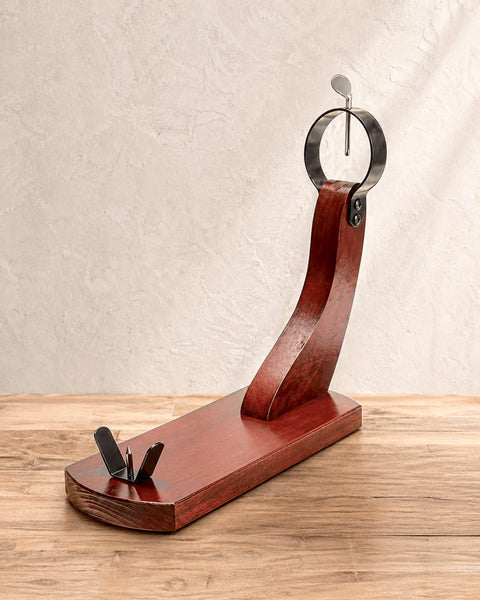
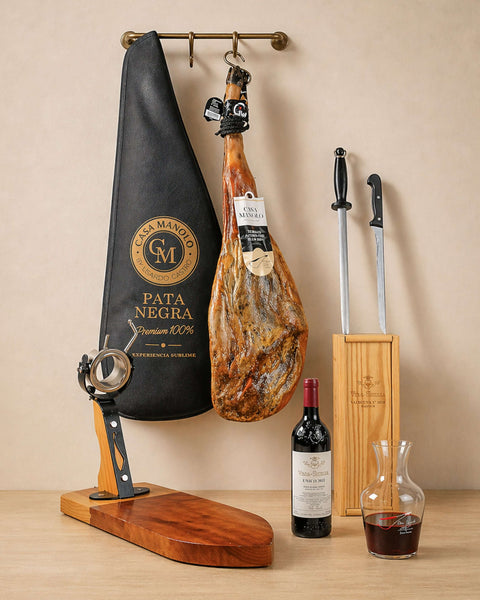
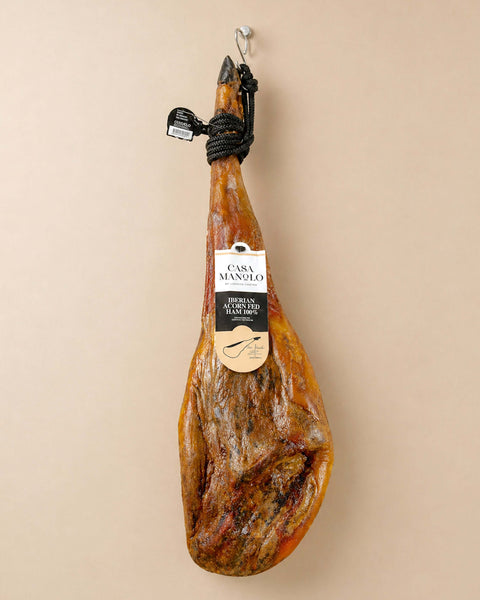
A whole cured leg needs suitable space, a stable ham holder and the correct knife. Follow the producer’s advice on room conditions, protecting the exposed cut and how quickly to use the ham once carving begins.
Keep it away from sunlight and heat. A whole leg is a commitment to regular serving, so sliced packs are often the more practical option for occasional tapas nights.
Easy portions for your next tapas plate
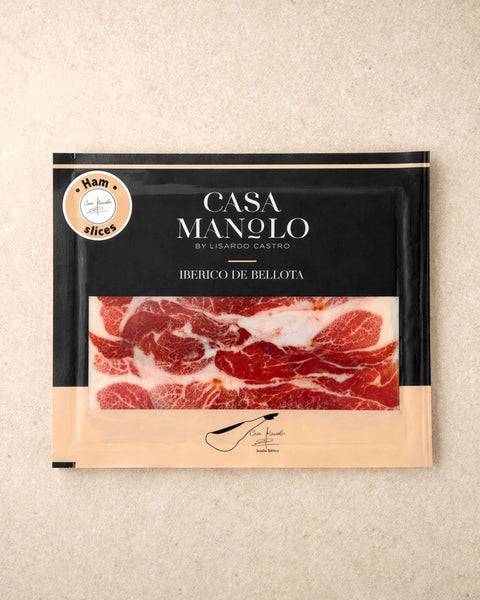
 Iberico Bellota Ham 100g
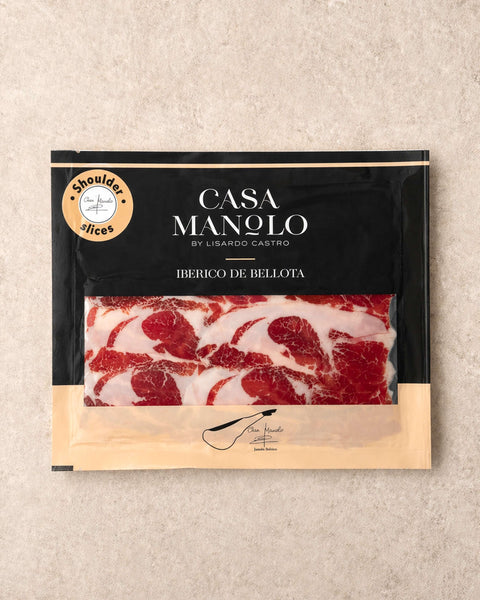
 Iberico Bellota Shoulder 100g
Plate it simply
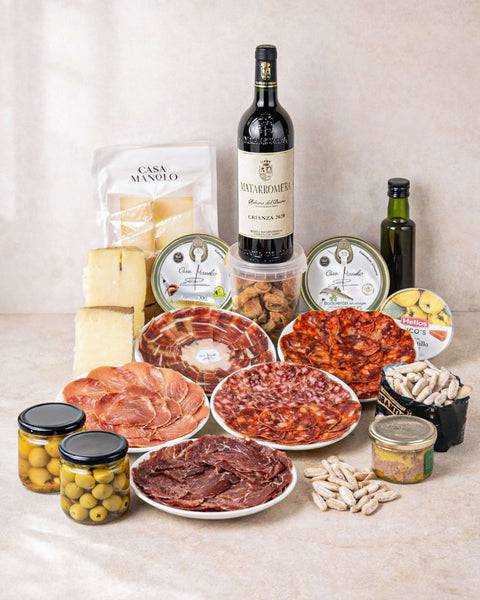
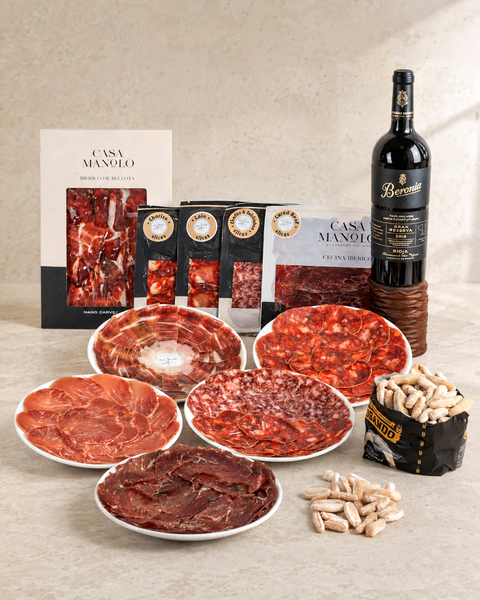
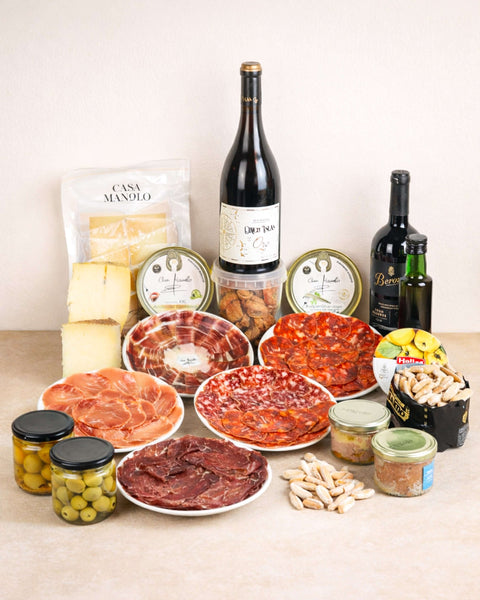
Arrange the slices in a loose layer on a clean plate, leaving space to lift each one. A heavy stack hides the texture and makes serving awkward. Put olives, bread and cheese alongside rather than piling everything over the ham.
For an opening plate with other food to follow, a planning allowance of roughly 40–50g per person is useful. When several meats and cheeses share the table, around 30–40g of ham per person may be enough. These are portion estimates; adjust for appetites and the rest of the menu.
Finish the table with a few good companions
Bread or picos, olives and a little Manchego give you contrast without turning a plate of ham into a crowded board. If you are pouring wine, try a dry Fino, Manzanilla or a red with gentle tannins.
Explore Spanish delicacies for accompaniments and wines and sherries for the bottle. Serve small amounts, replenish as needed and keep chilled foods out for as little time as practical.
A quick check before you choose
Can I leave sliced ham out all afternoon?
Keep the serving time brief, especially in a warm room, and follow the pack’s instructions. Put out small portions rather than the whole supply.
Does a whole leg need the same storage as sliced ham?
No. Whole cured pieces and sliced packs can have different requirements. Follow the guidance supplied for your exact product.
How much ham for six people?
As an opening plate at 40–50g per person, plan about 240–300g. Use the actual pack weight when calculating your order.
Keep exploring
- How to Choose the Best Iberico Ham for a Dinner Party
- Spanish Wine Pairings: What to Drink with Jamon Iberico, Manchego and Tapas
Further reading: Food Standards Agency: chilling food safely.