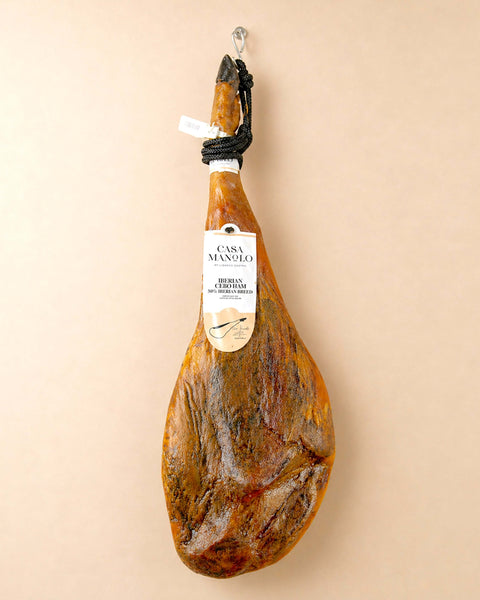
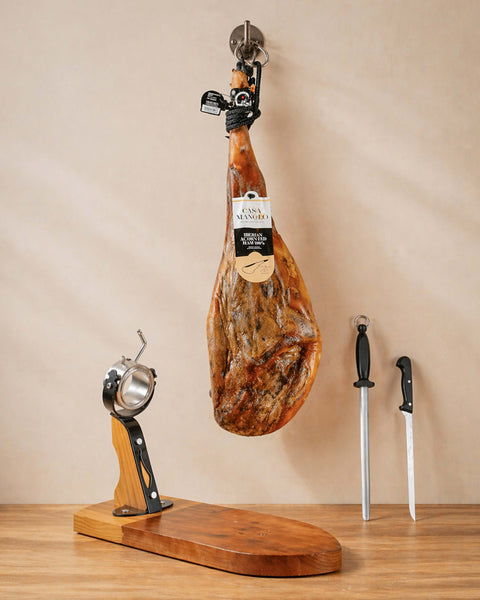
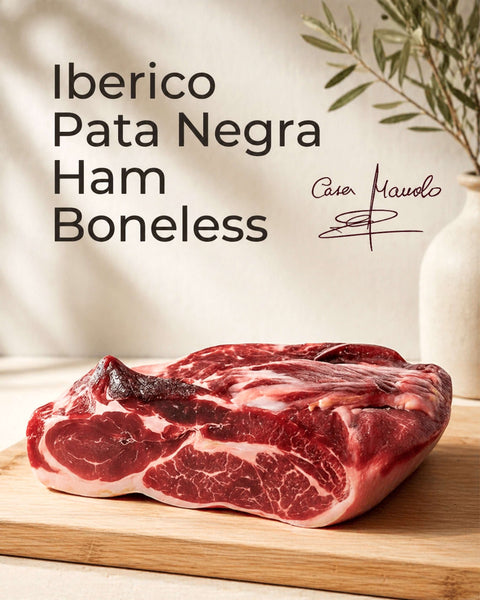
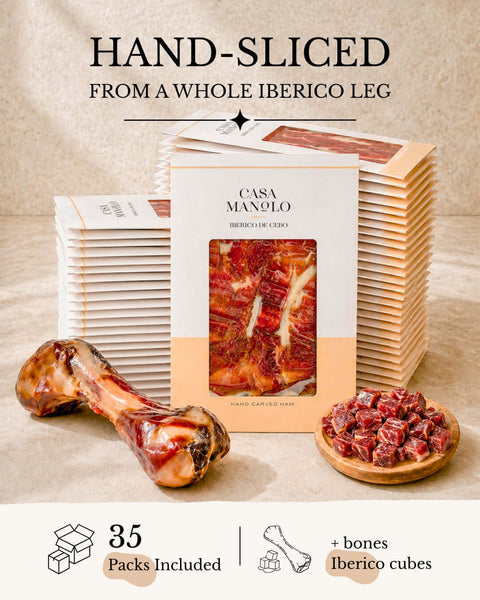
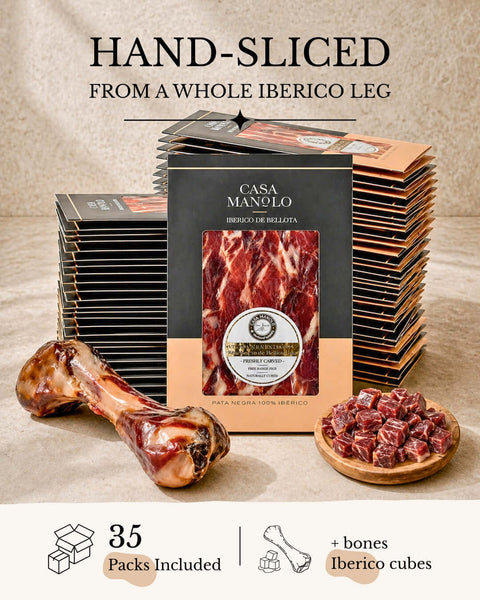
Bone-in and boneless jamón solve different problems. A whole leg creates a carving ritual and can serve repeated gatherings; a boneless piece is easier to store and slice with ordinary kitchen planning.
The right format depends on confidence, space, frequency and the experience you want—not on the idea that one is universally more authentic.
| Format | Advantages | Plan for |
|---|---|---|
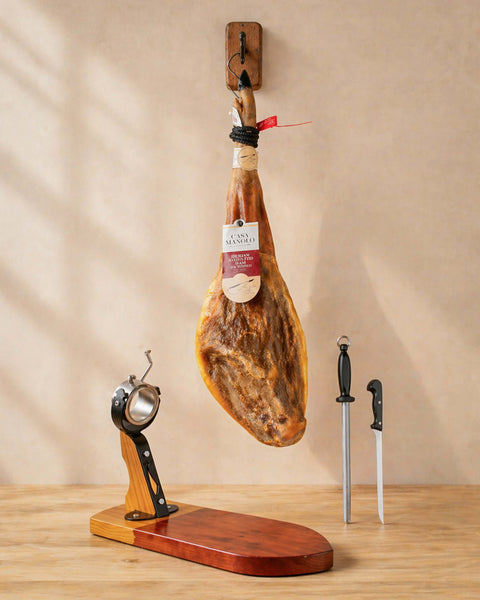
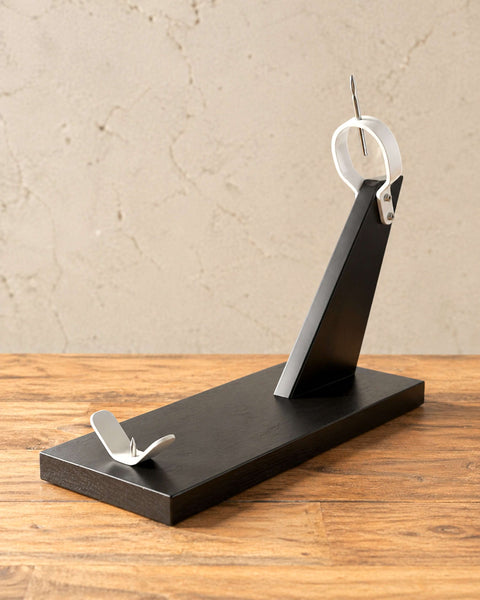
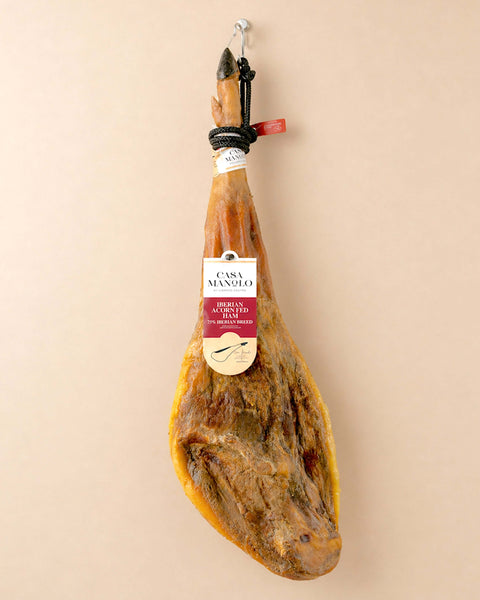
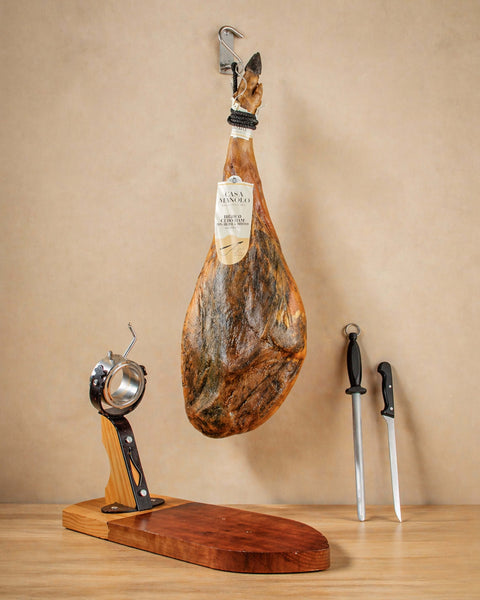
| Bone-in leg | Carving experience and varied muscles. | Stand, knife, space and practice. |
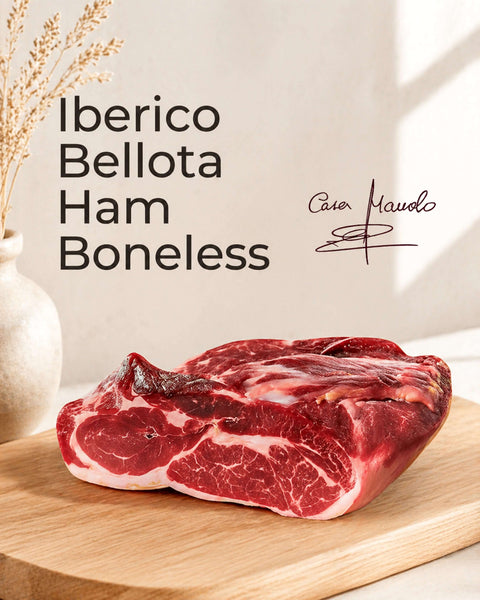
| Boneless piece | Compact storage and straightforward slicing. | Stable board and a suitable slicer or knife. |
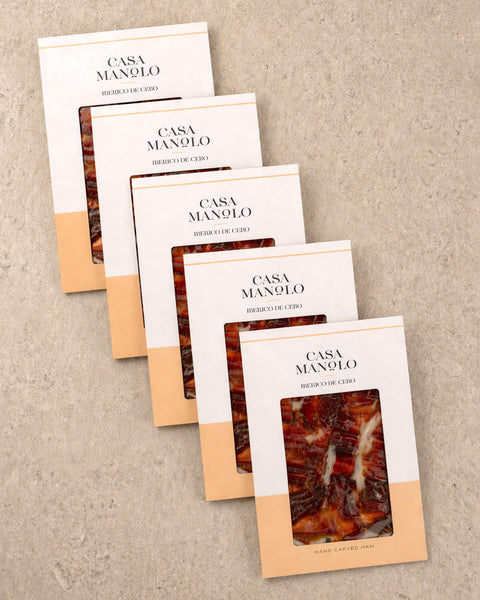
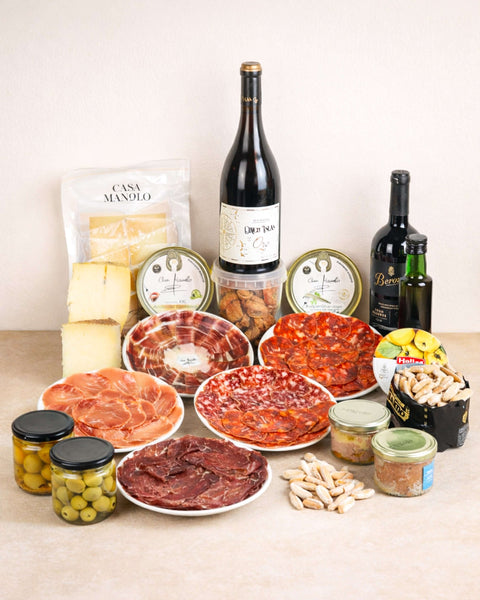
| Pre-sliced packs | Fast service and measured portions. | Gentle separation and pack guidance. |
On a small screen, swipe or scroll across to compare.
Choose bone-in for the ritual
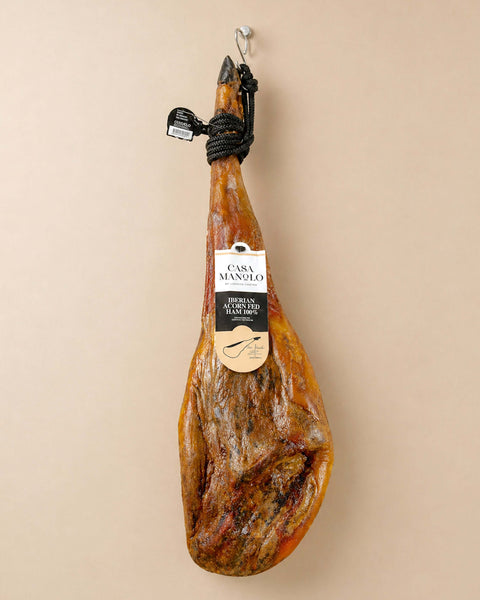
A leg suits households that want to learn carving and serve jamón repeatedly. The equipment and safe technique are part of the purchase.
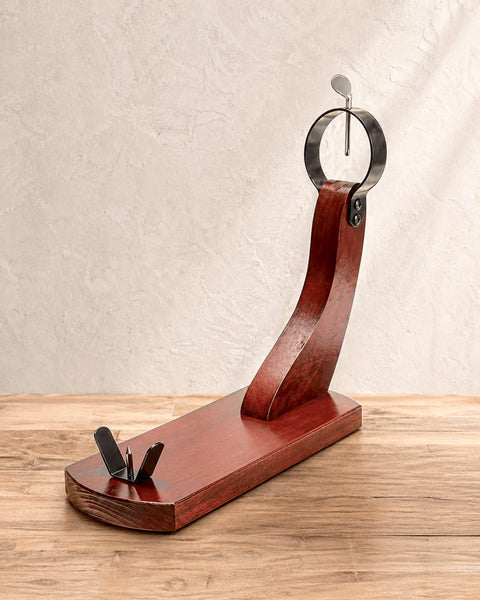
A whole leg rewards regular, confident carving and enough space for a permanent or frequently assembled station. Think about the number of people, how often jamón will be served and who will maintain the cutting surface. The visual ritual is valuable only when the practical routine supports it.
Choose boneless for control
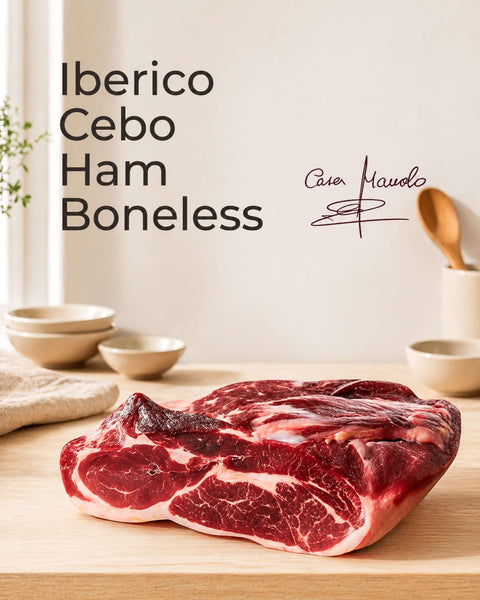
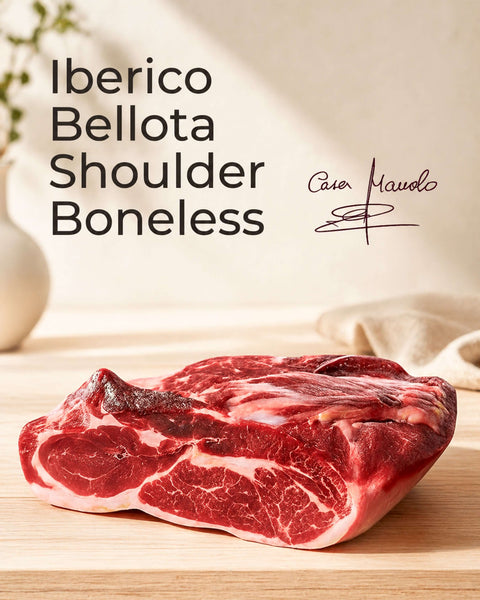
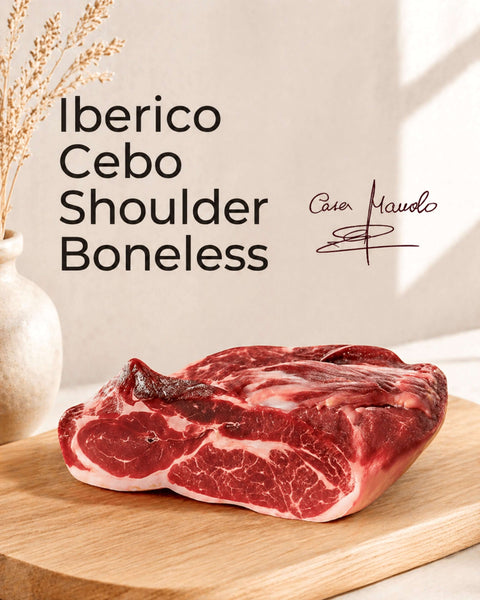
A boneless cut is easier to portion and occupies less space. It still requires careful slicing across the piece for a tender bite.
Boneless does not mean preparation-free. The piece must be held securely and sliced across the correct direction with a suitable knife or slicer used safely. It can suit households that want flexible portions without storing a stand, but the label still governs storage and handling once opened.
Format decision
- How often will you serve jamón?
- Do you have safe carving space?
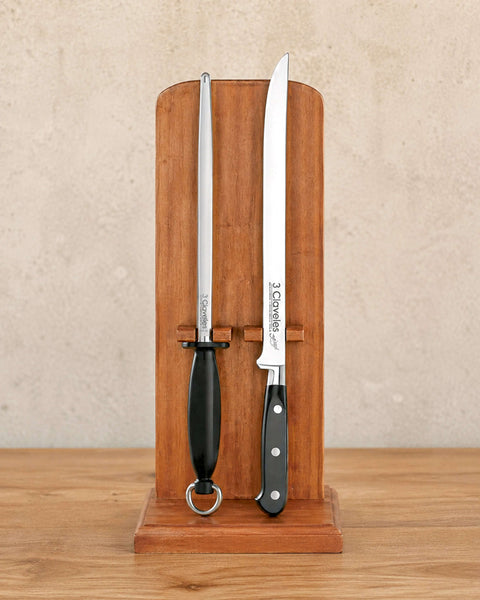
- Do you own the correct stand and knife?
- How many guests are typical?
- Would measured packs reduce waste?
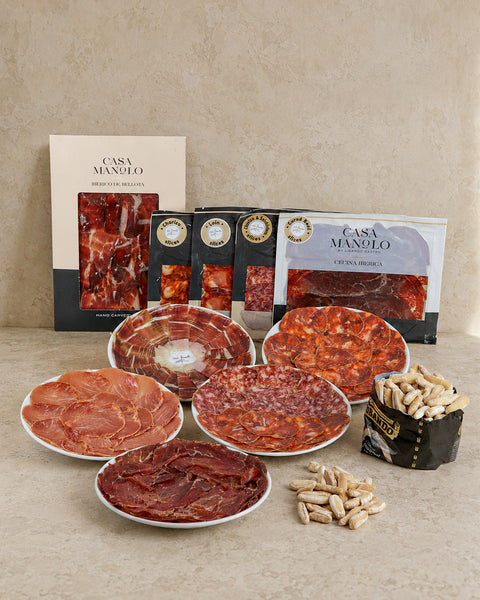
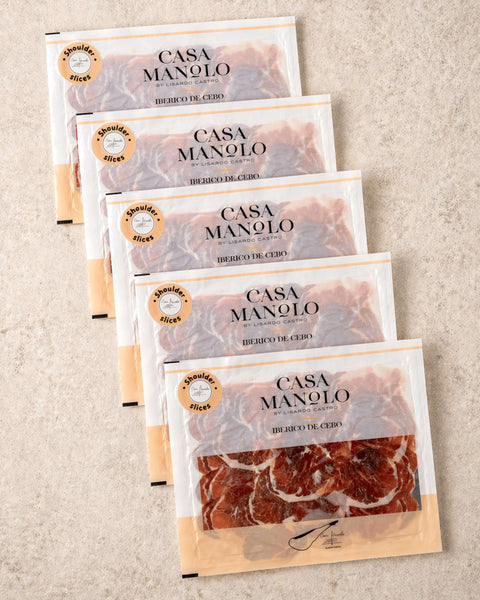
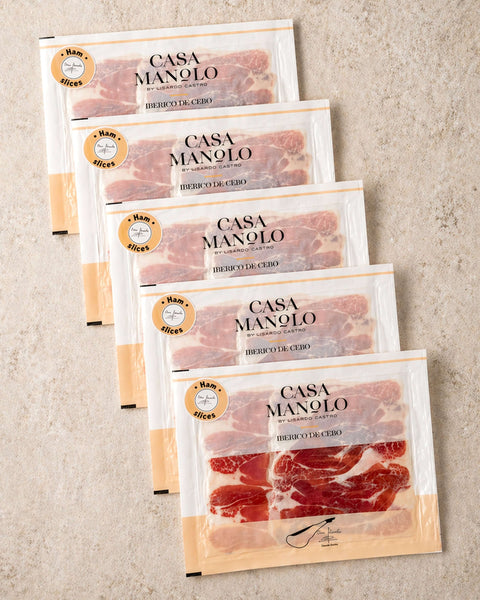
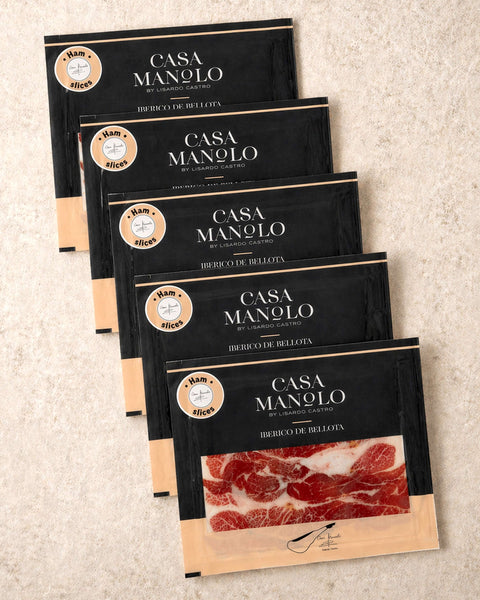
Compare three jamón formats
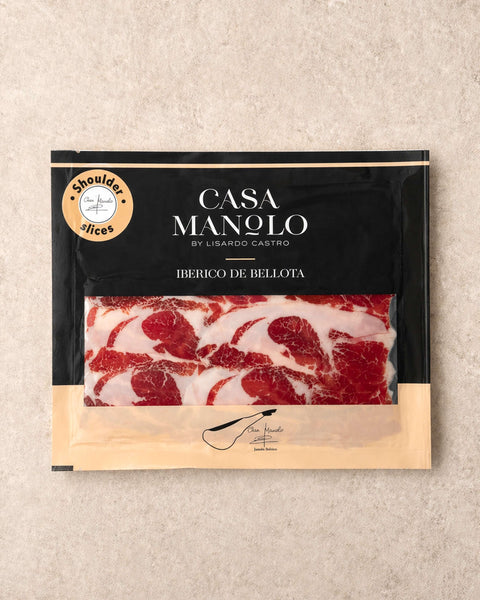
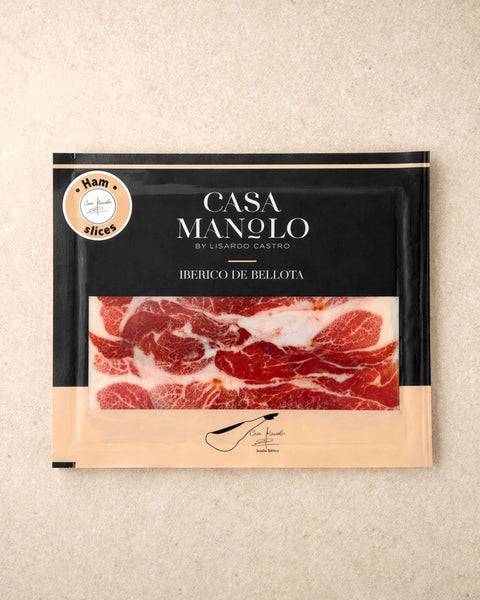
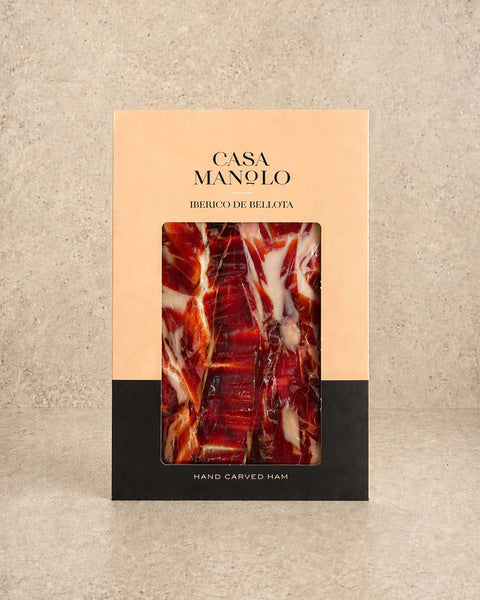
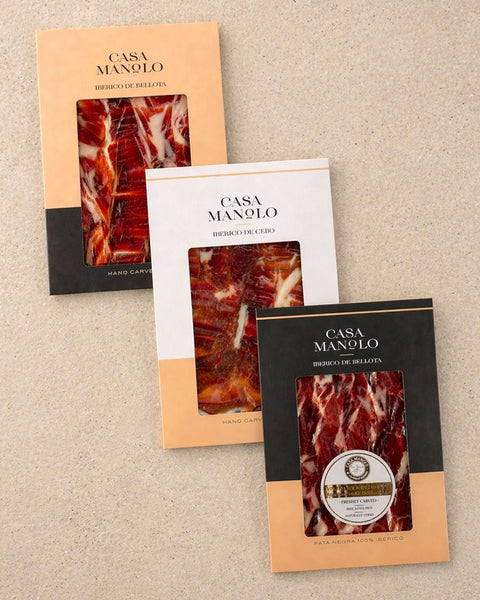
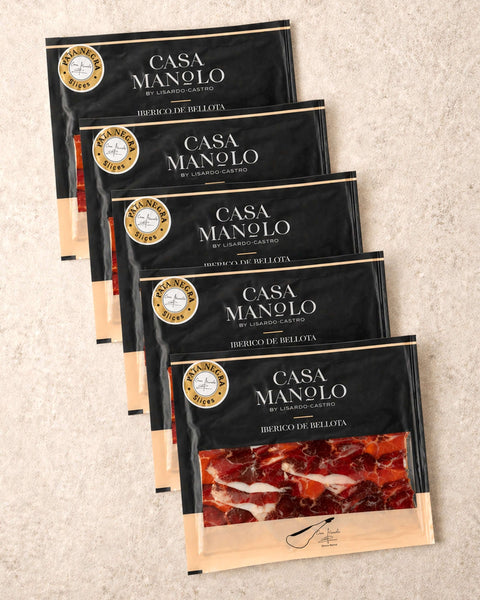
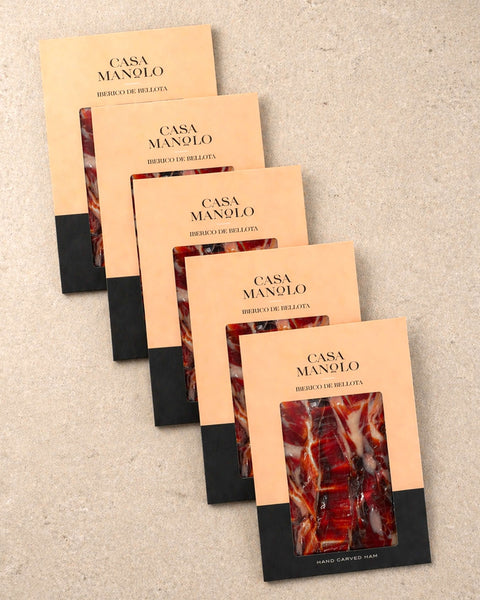
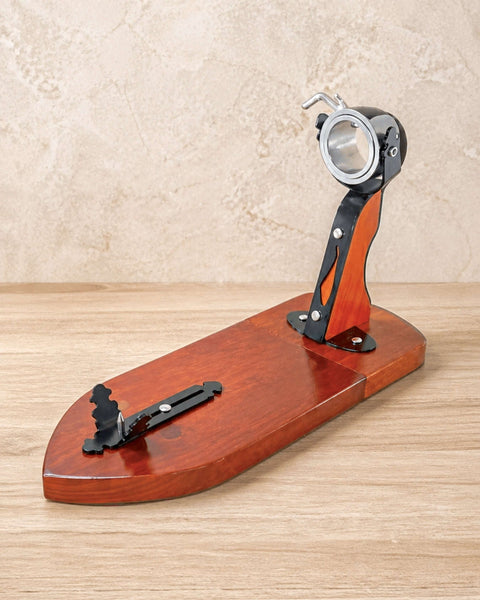
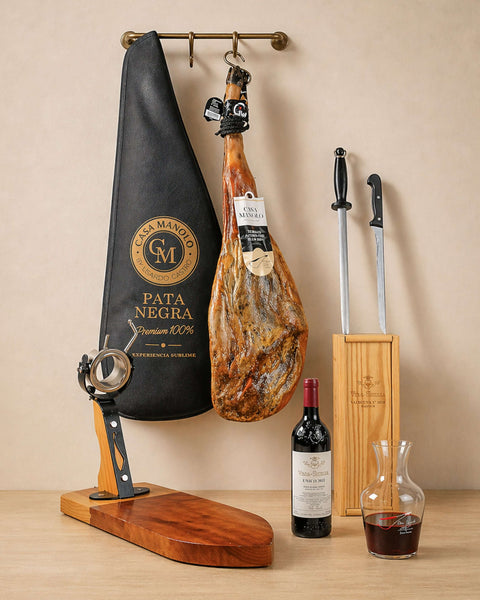
A whole-leg set, a boneless piece and a pre-sliced pack make the differences in carving, storage and service clear.
 Iberico Bellota Ham Set
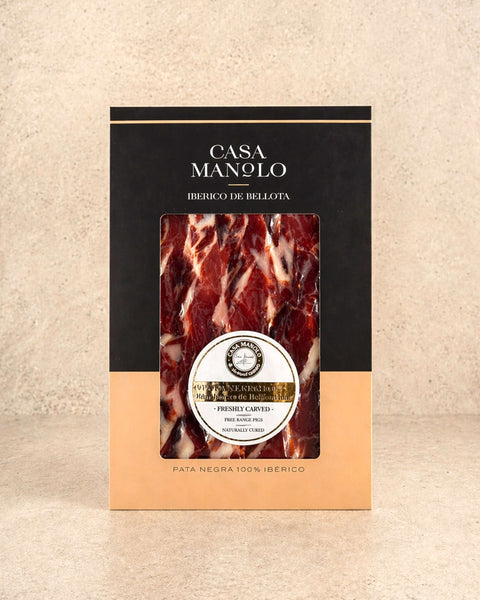
 Iberico Bellota Ham - Boneless
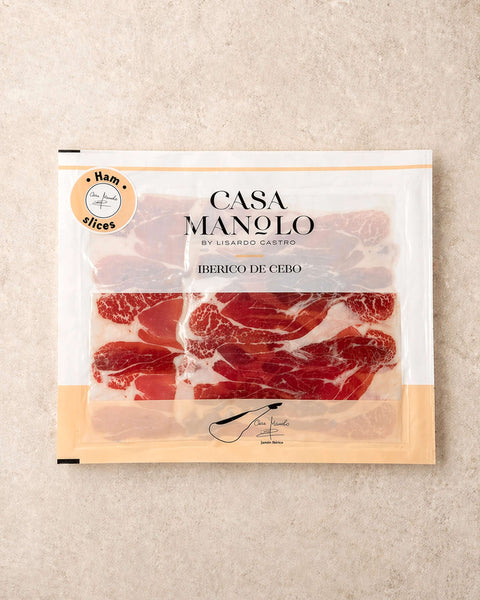
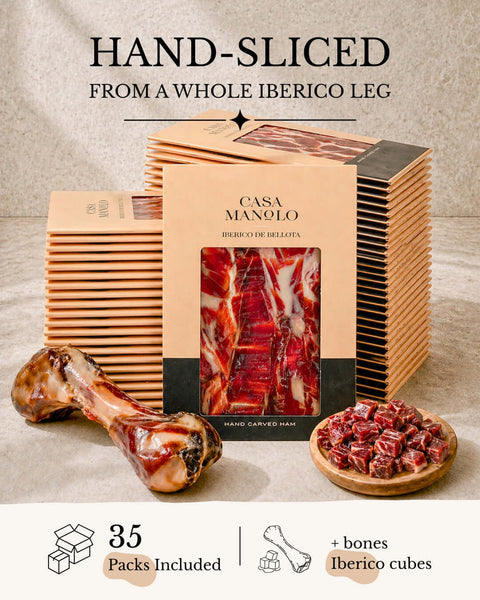
 Iberico Bellota Ham 100g
Choose packs for occasional serving
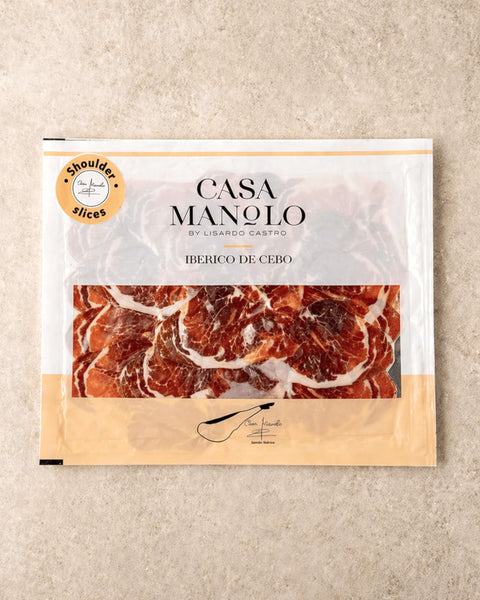
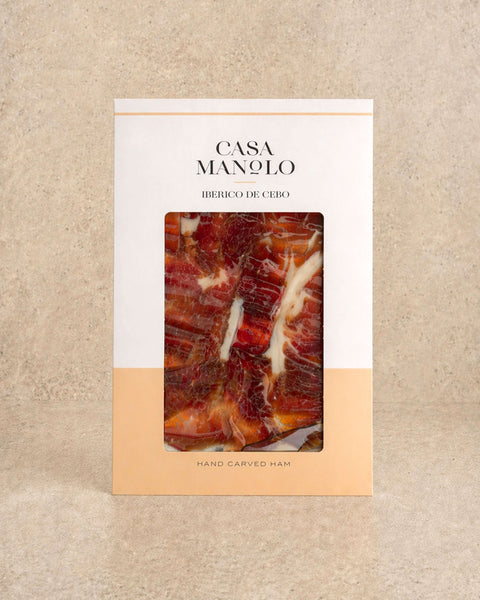
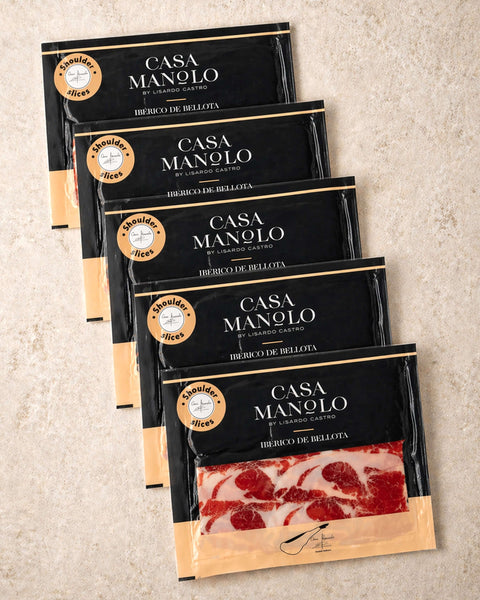
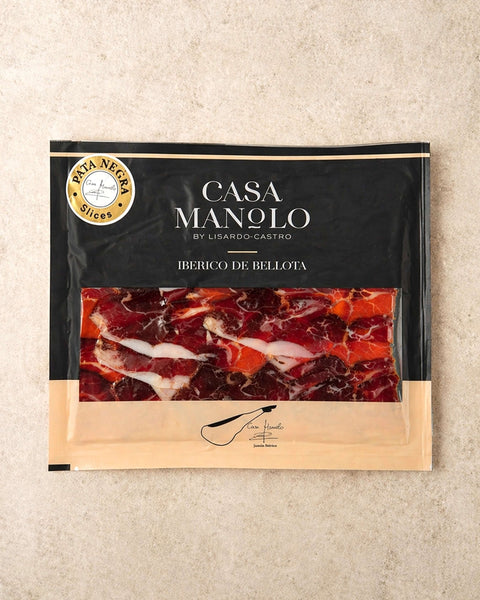
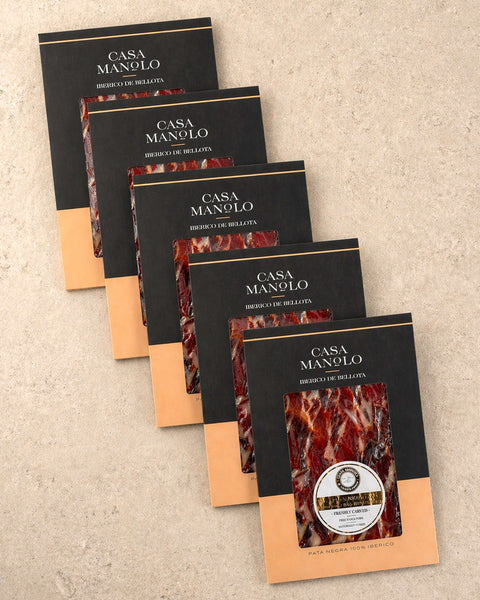
Pre-sliced jamón removes carving from the evening. It is often the clearest answer for a small dinner or tasting comparison.
Pre-sliced packs are useful for comparing categories because weight, product name and serving are easy to keep separate. They also reduce equipment and cleaning. The trade-off is less control over thickness and the need to plan warming and plating carefully so the slices separate without damage.
Count the hidden requirements
A leg needs a secure stand, a long knife, time and a plan for the bone and trimmings. Include those before comparing headline prices.
Include storage space, equipment, carving skill, serving frequency and likely waste in the decision. A lower headline price per gross kilogram does not automatically create better value if a format is inconvenient or poorly used. Compare the experience you can realistically deliver, not only the product photograph.
Choose by household routine
For occasional dinners, begin with pre-sliced packs and learn what quantity and category your guests enjoy. For more frequent service, a boneless piece may provide control without the full carving ritual. Choose bone-in when the household genuinely wants repeated carving, has stable equipment and is prepared to follow safe setup and storage guidance.
Write down four answers before buying: where it will be stored, where it will be sliced, who will slice it and how soon it will be used. If any answer is vague, choose the simpler format. You can move towards a whole leg later; starting with a manageable format protects quality and makes the learning process more enjoyable.
Compare the complete job, not the display weight
A bone-in leg asks for stable equipment, carving time, safe technique and a plan for repeated service. A boneless piece reduces those demands but still needs controlled slicing and correct storage. Pre-sliced packs shift almost all preparation to plating. Include those practical costs before comparing formats.
Imagine an ordinary week rather than a celebration photograph. Consider where the product will be stored, who will slice it, how often it will be served and how leftovers will be protected. The right choice is the format that fits that routine while preserving the quality category you actually want to buy.
Jamón-format questions
Does boneless mean lower quality?
No. Format and category are separate questions. Read the specific product description.
Is a whole leg cheaper per edible gram?
Do not compare gross weight alone. Bone, rind, fat and carving losses affect usable yield.
Can I carve without a stand?
A secure purpose-built support is essential for safe carving. Do not improvise.
The short answer
Choose bone-in for repeated carving and ceremony, boneless for compact control, and pre-sliced packs for convenience and measured portions.