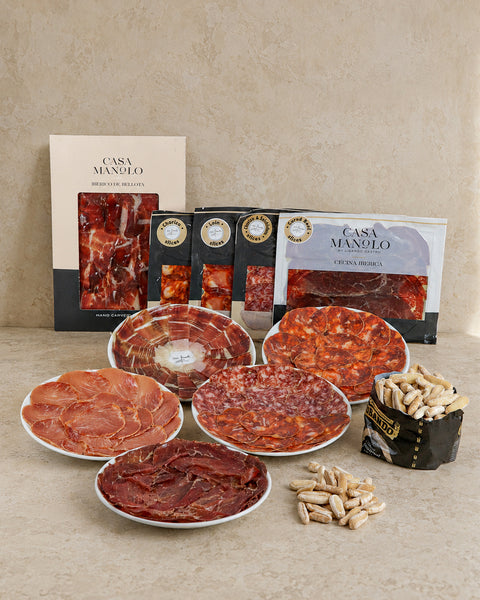
A tapas board feels heavy when several rich or salty ingredients arrive without relief. The answer is not to add more products; it is to assign each item a job and remove anything that repeats the same sensation.
Think in three levers: salt creates intensity, fat creates richness and acidity refreshes. Bread and crisp textures then control pace, giving the palate somewhere neutral to land.
| Lever | Possible ingredient | Board job |
|---|---|---|
| Salt | Jamón or anchovies | Creates the intense focal bite. |
| Fat / richness | Cheese or tuna belly | Adds body and a lingering texture. |
| Acidity / freshness | Boquerones or restrained pickles | Resets the palate between rich bites. |
On a small screen, swipe or scroll across to compare.
Choose one salty anchor
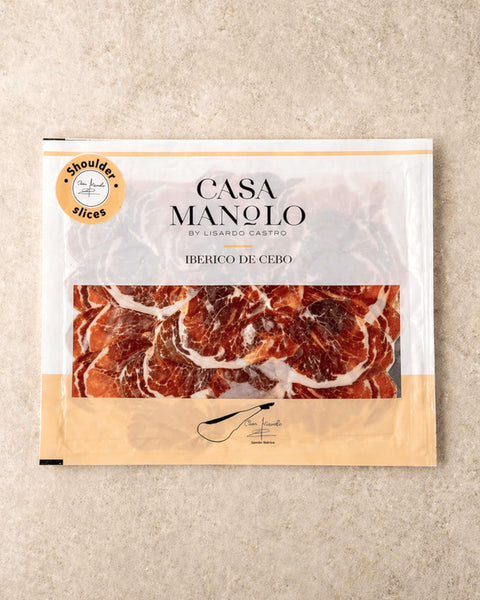
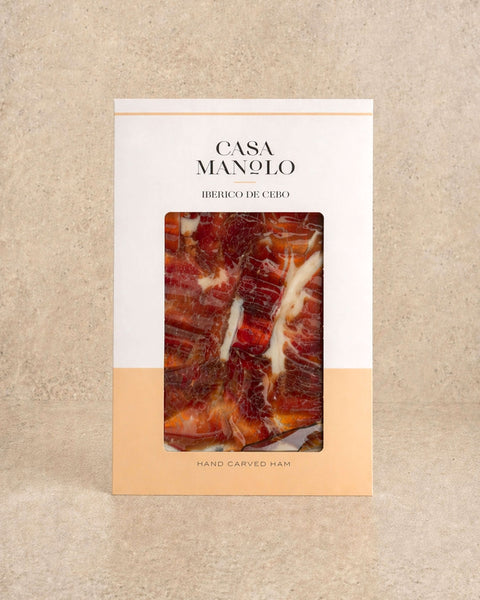
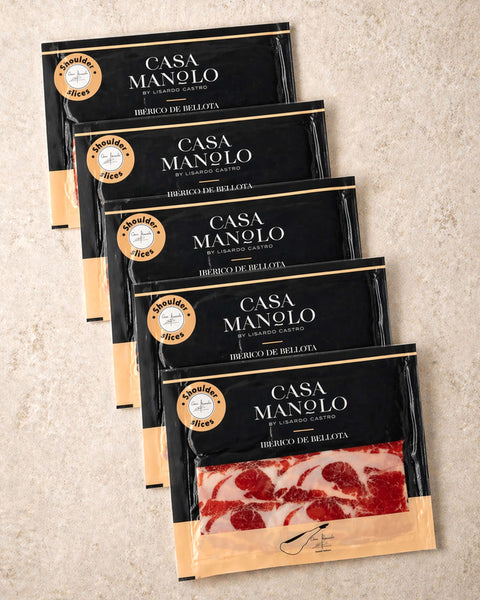
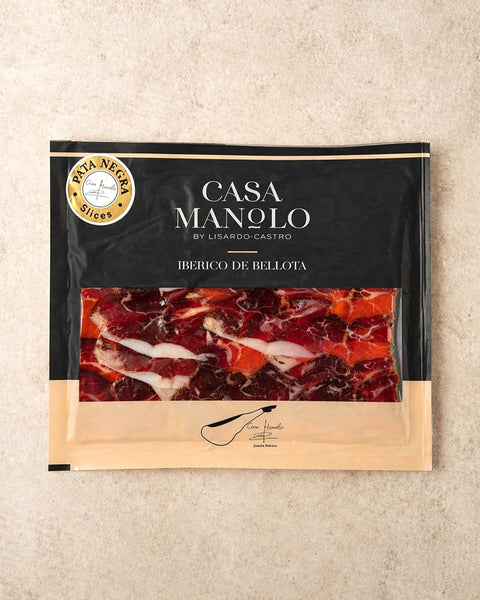
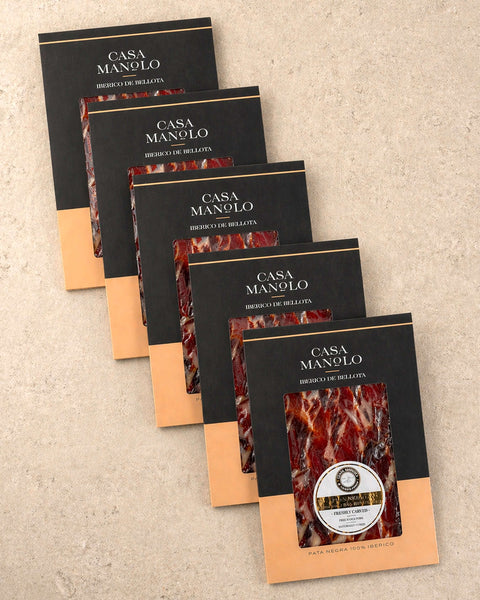
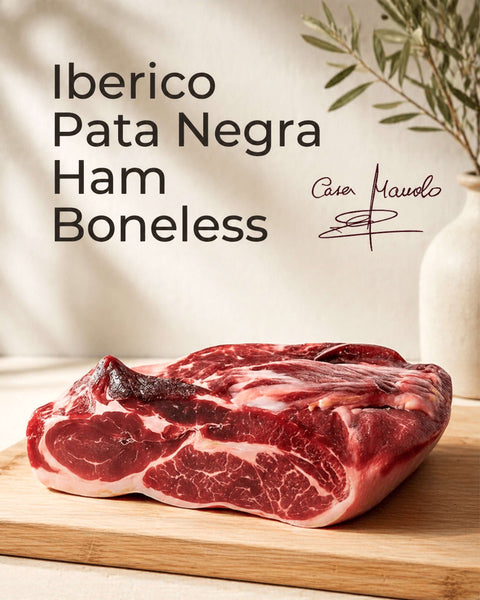
Start with jamón, anchovies or another clearly salty product, not all of them in equal volume. This becomes the board’s reference point.
If you add a second salty ingredient, reduce its quantity and separate it visually. Guests then understand it as a comparison rather than a larger dose of the same sensation.
Add one rich texture
A cured cheese, tuna belly or fatty slice can give the board depth. Place it away from wet acidic ingredients so textures remain intentional.
Richness does not need a sweet condiment by default. First test whether bread, olives or a fresh drink already provides enough contrast.
Thirty-second check
- Name the salty anchor.
- Add one rich texture, not several by habit.
- Keep acidic liquids contained.
- Remove ingredients that repeat the same job.
A balanced three-product starting point
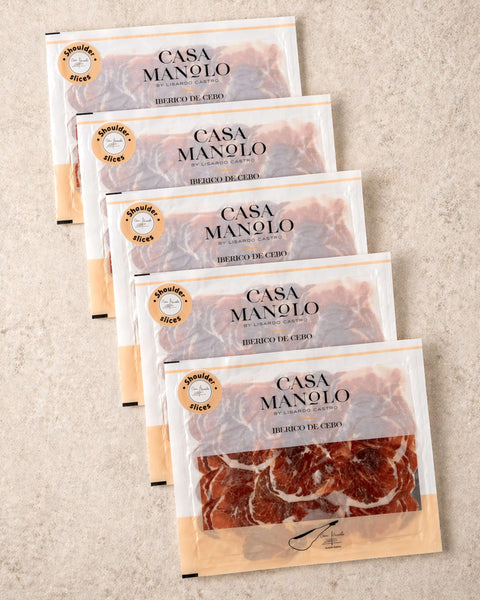
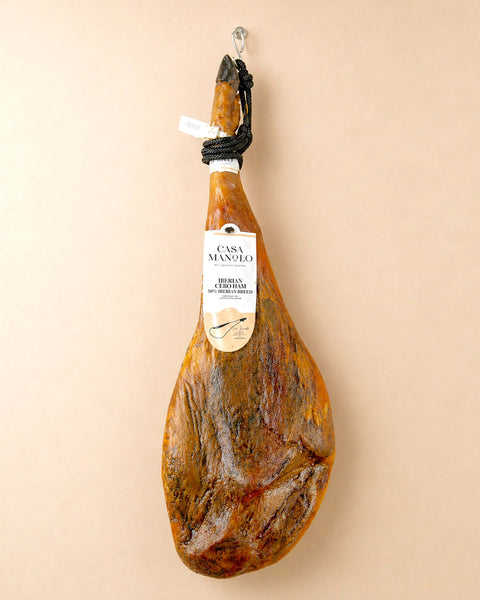
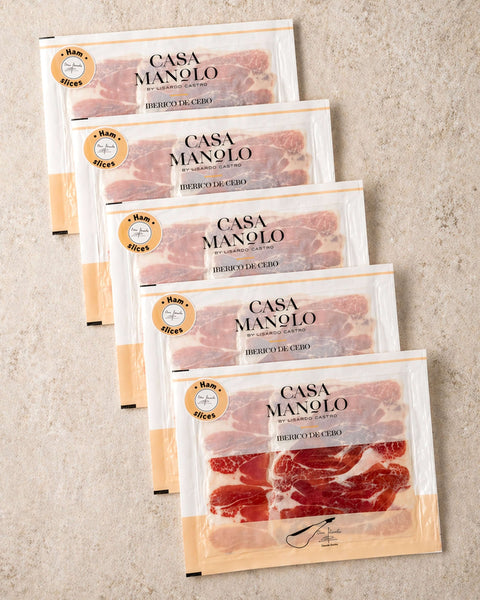
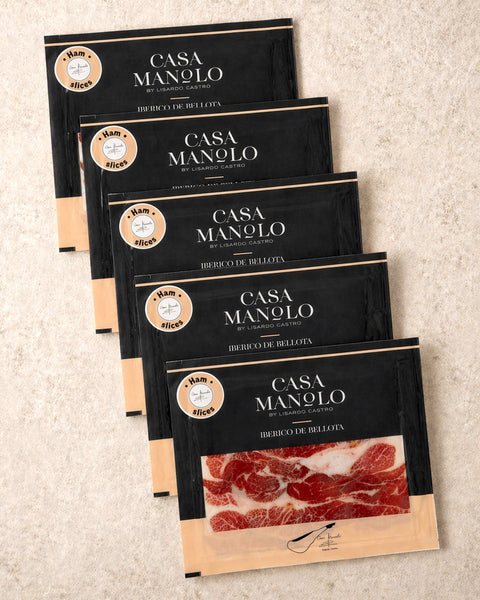
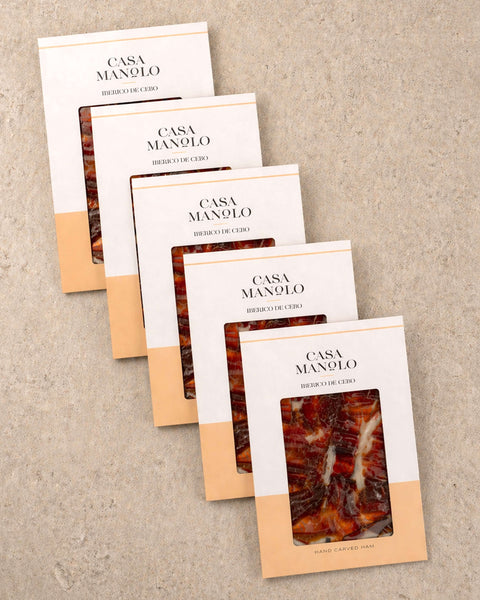
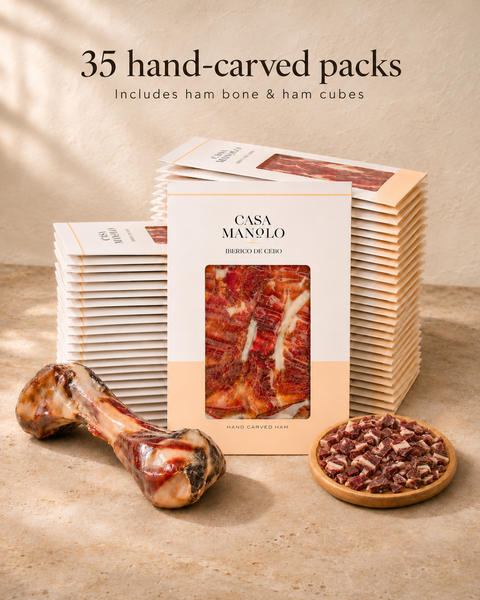
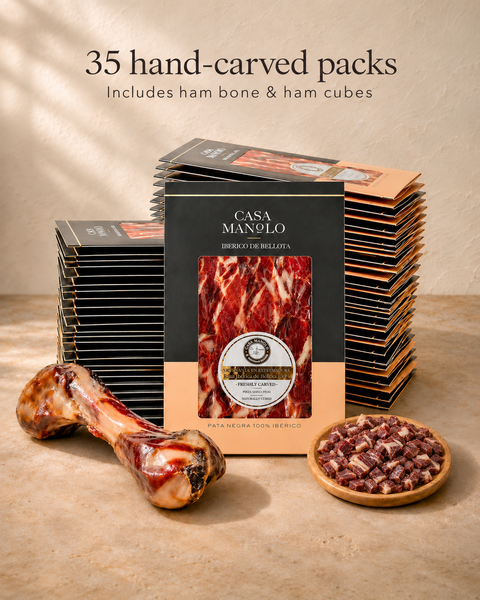
Jamón supplies the salty anchor, tuna belly brings rich texture and boquerones provide a brighter counterpoint.
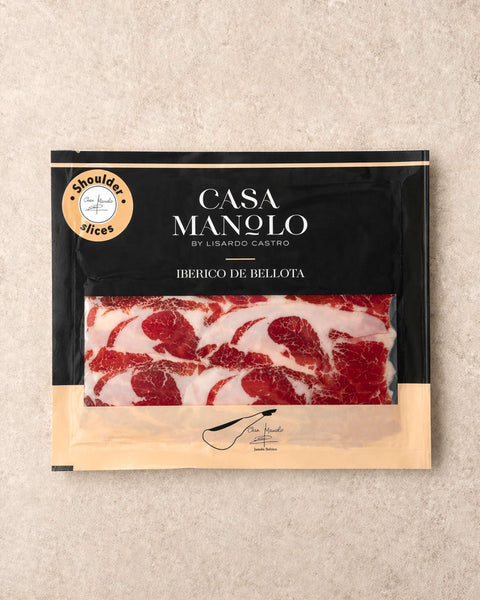
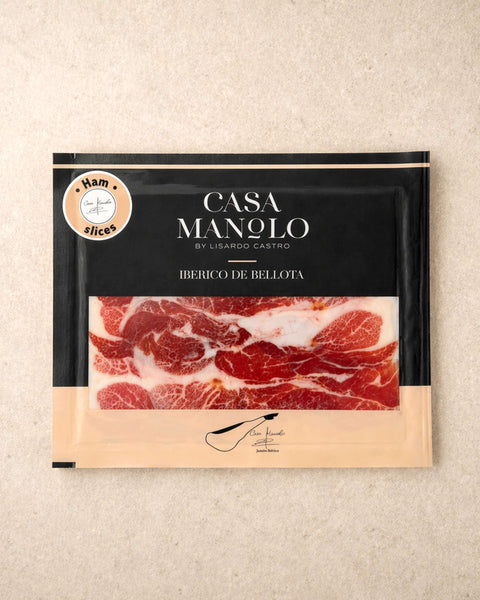
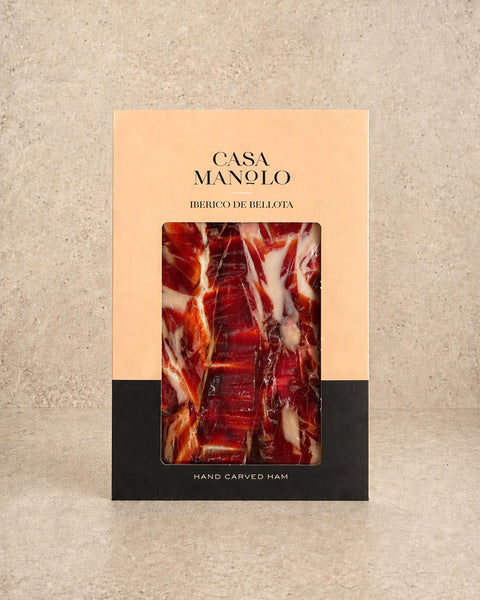
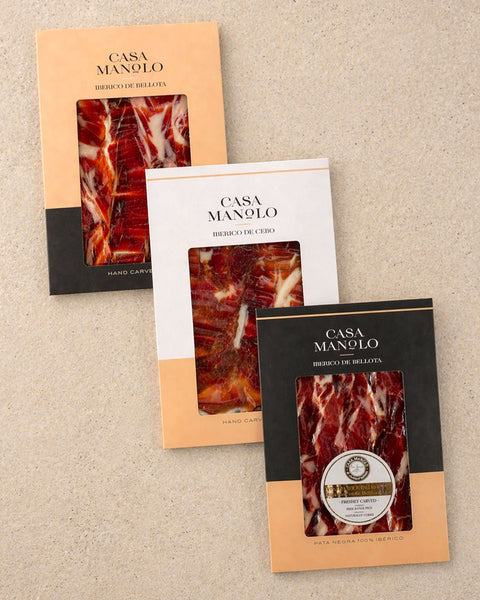
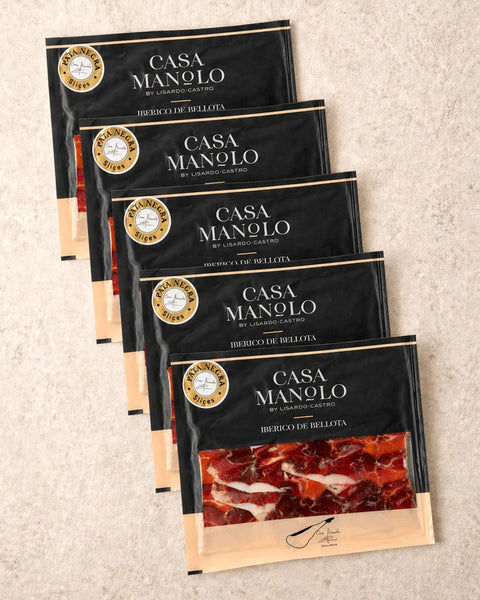
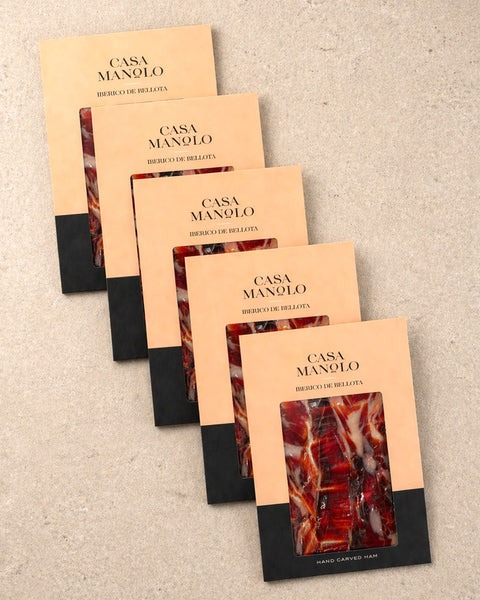
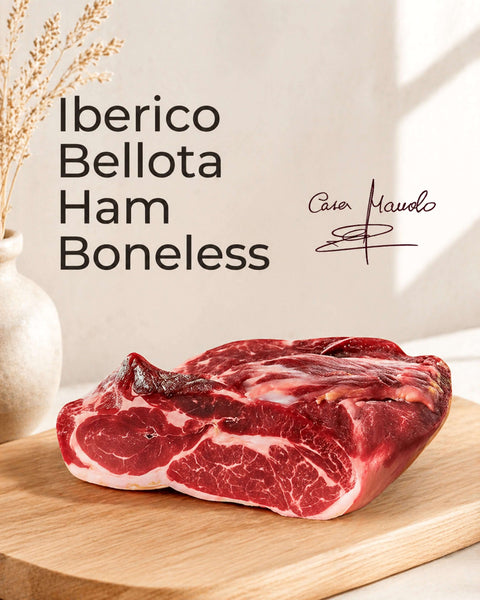
 Iberico Bellota Ham 100g
 Cantabrian Tuna Belly in Olive Oil
 Premium Cantabrian White Anchovies
Use acidity as a reset
Boquerones, restrained pickles or a suitably fresh wine can refresh after rich bites. Acid should clear the palate, not make every ingredient taste sour.
Keep acidic liquids in their own dish. This protects cheese, bread and cured meat from absorbing flavours they were not meant to carry.
Give bread a real role
Plain bread or picos are not decoration. They create a neutral interval, add crunch and give oil-rich conservas a practical base.
Offer enough to use, but do not bury the board in bread. A basket beside the main plate is easier to replenish.
Edit before serving
Stand back and ask whether two bowls perform the same job. If both are salty, both rich and both highly seasoned, remove one and create space.
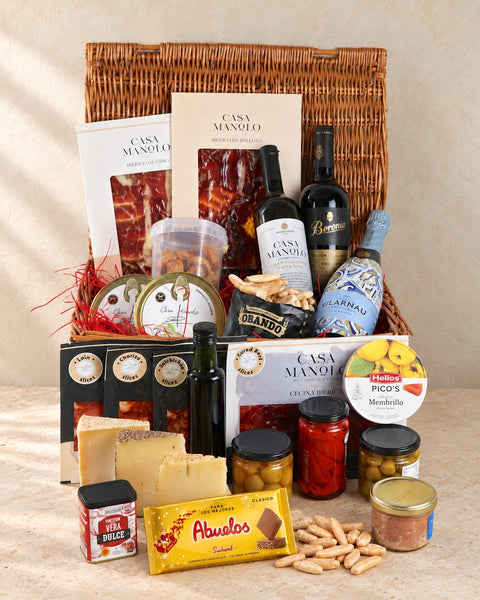
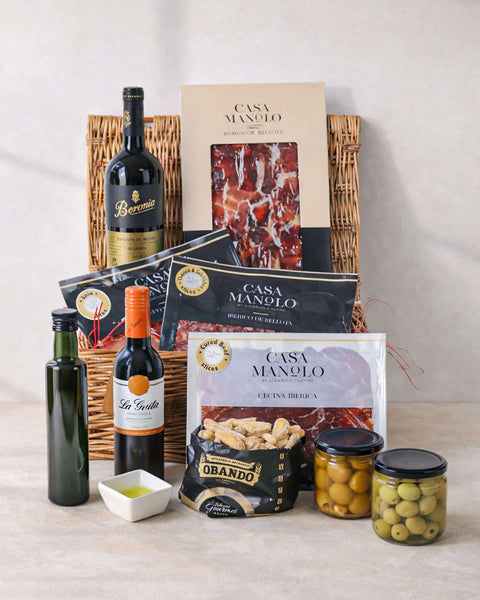
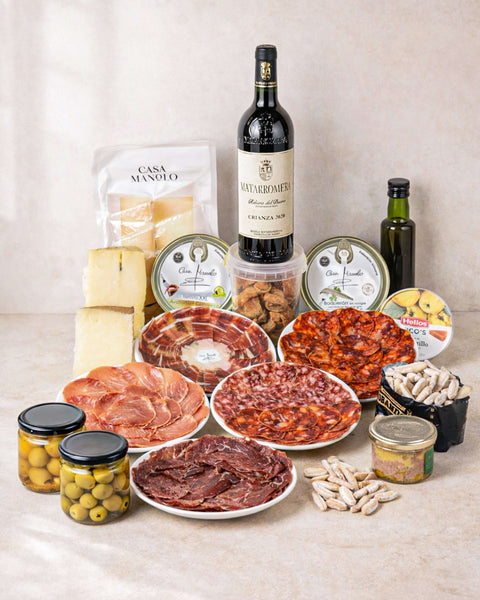
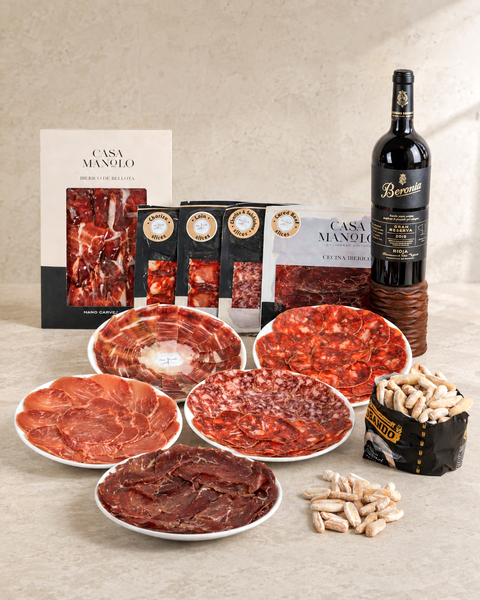
A useful board can have five components: one salty anchor, one rich element, one fresh or acidic note, neutral bread and an optional gentle garnish.
Draw the board before you shop
Sketch five spaces and label them salty, rich, fresh or acidic, neutral and optional. Put one proposed product in each space. If the same ingredient appears in two roles or two spaces contain near-identical flavours, revise the list before purchasing more.
At serving time, keep the richest and wettest products in shallow dishes and leave the centre of the board open for easy reach. Taste a three-bite sequence—salty anchor, neutral bread, refreshing element—and adjust quantities. Balance is experienced over several bites, not by forcing salt, fat and acidity into every mouthful.
Questions readers often ask
Does every board need pickles?
No. Use acidity only when it improves the balance; wine or boquerones may already provide it.
How many products should I include?
Five purposeful elements are often more useful than a crowded board with repeated roles.
Where should bread go?
A separate basket keeps it crisp and creates space on the main board.
The short answer
Build around one salty anchor, one rich texture and one refreshing counterpoint, then use bread to pace the bites and edit repeated flavours.