Lomo Ibérico is cured pork loin, not another style of jamón and not a sausage made from minced meat. That difference gives it a firmer, leaner bite and a neat, defined slice that can bring order to a generous charcuterie board.
Its role is contrast. Where jamón offers delicate fat and chorizo brings paprika, lomo gives a cleaner pork flavour and a compact texture. Serve it as one voice among a few, not underneath a pile of garnishes.
| Element | What it contributes | How to use it |
|---|---|---|
| Lomo | Firm, lean, savoury slices | Lay in a loose ribbon with space around it. |
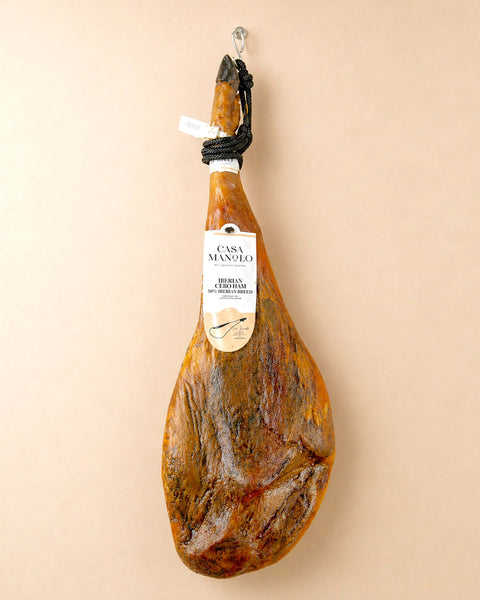
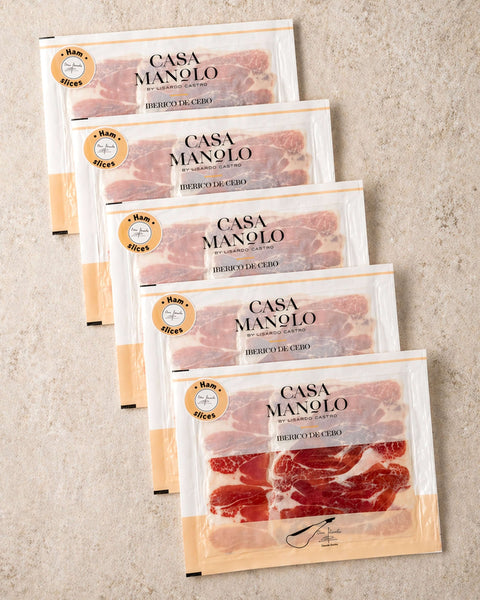
| Jamón | Delicate slices with visible fat | Keep separate so textures remain clear. |
| Chorizo | Paprika-led seasoning | Use fewer slices as the more assertive contrast. |
On a small screen, swipe or scroll across to compare.
Recognise the format
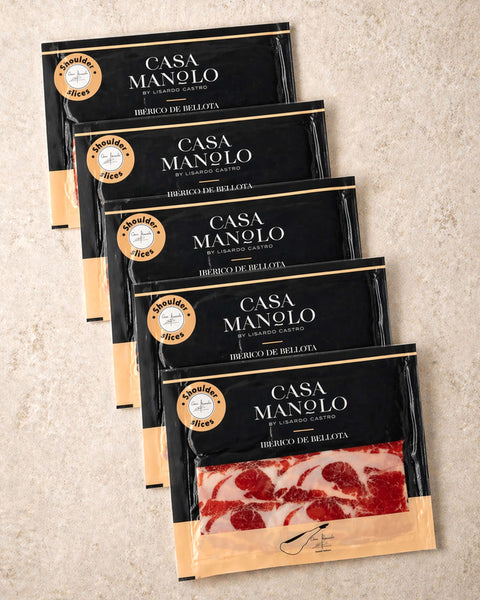
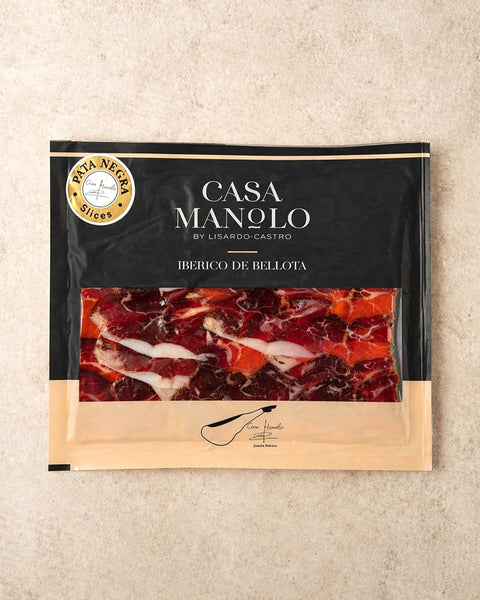
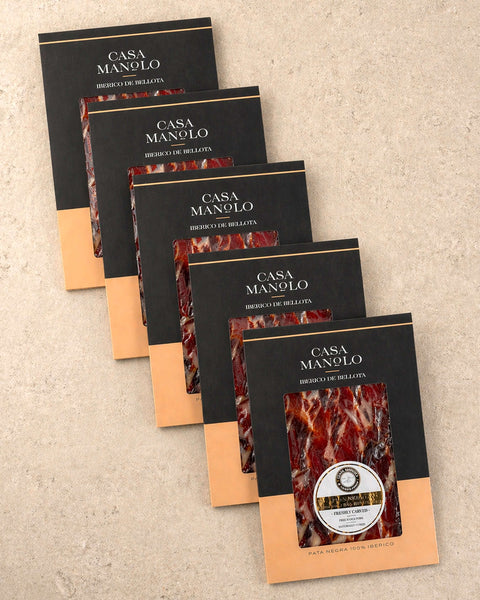
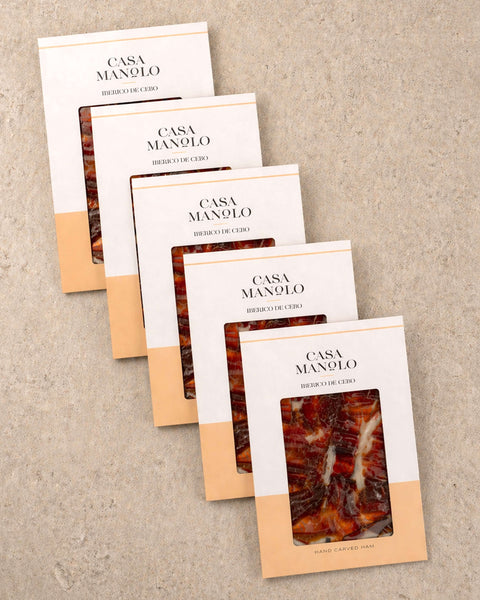
Whole lomo gives you control over thickness and quantity; pre-sliced packs reduce preparation and make portions easy to judge. Neither is automatically better. Choose according to the number of guests and how much slicing you want to do.
For a comparison, keep the slice thickness similar across two lomo styles. A dramatic thickness difference can dominate the tasting and make a product comparison less useful.
Give the slices breathing room
Overlap lomo loosely rather than building a dense stack. Guests should be able to lift one slice without pulling away three more, and the cut face should remain visible.
Follow the storage and serving instructions on the pack. Plate a modest quantity first, protect the rest, and replenish if needed; this keeps the board tidy and avoids leaving more food out than the table will use.
Thirty-second check
- Choose whole or pre-sliced for the size of the gathering.
- Use similar thicknesses when comparing styles.
- Keep wet accompaniments beside the lomo.
- Serve before the spiciest charcuterie.
Compare lomo by format and style
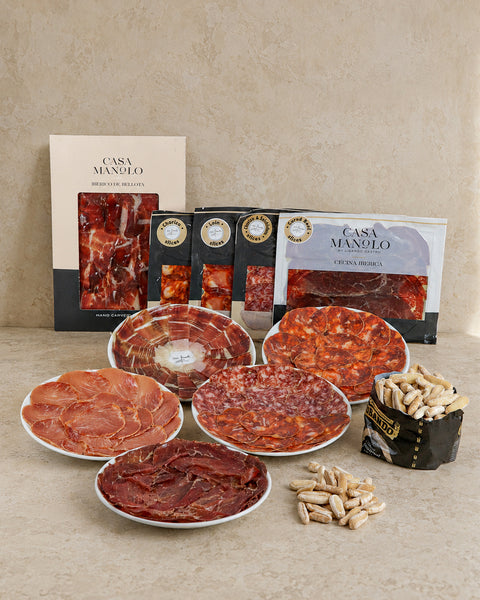
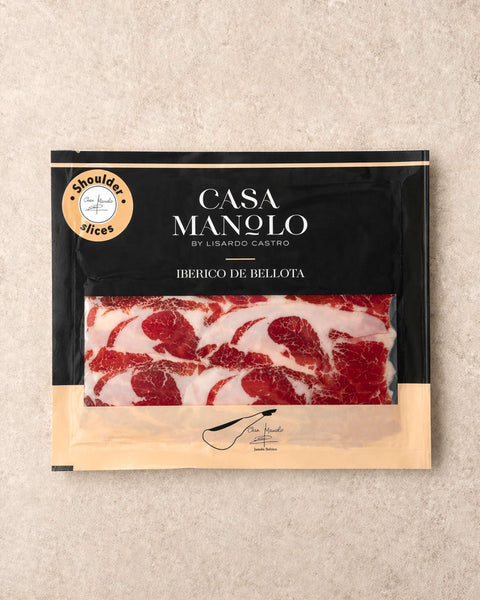
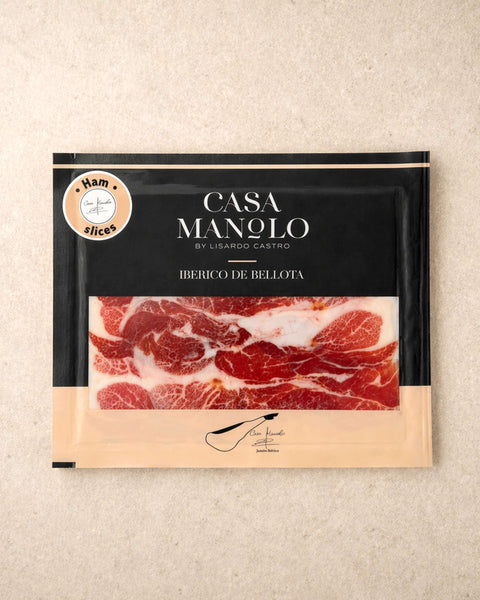
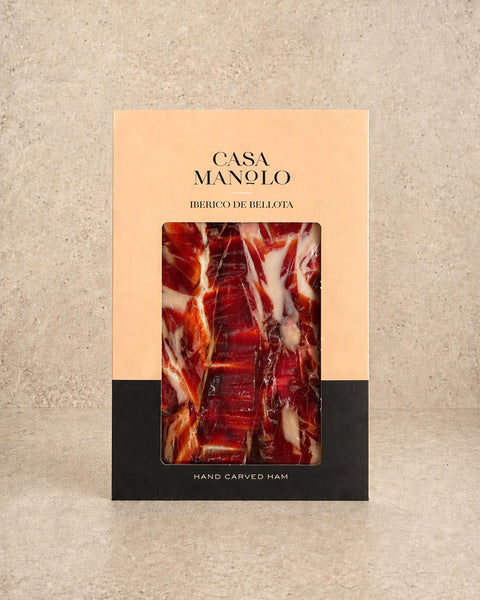
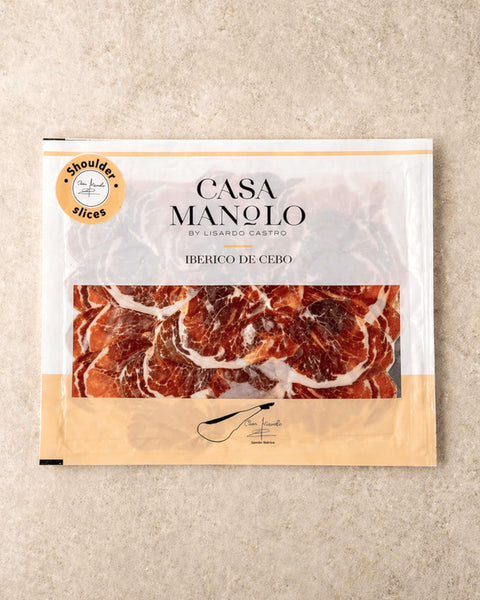
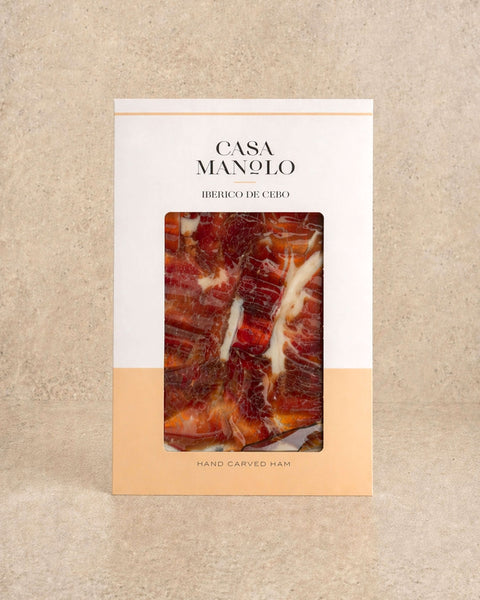
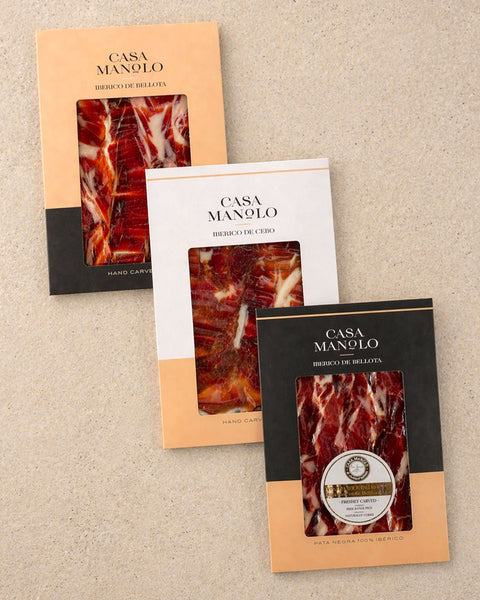
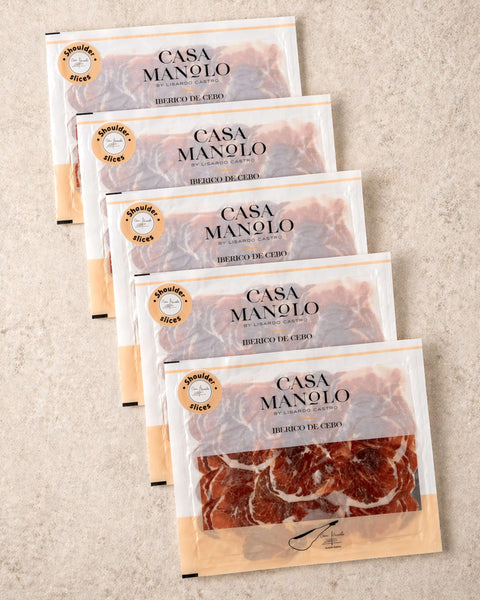
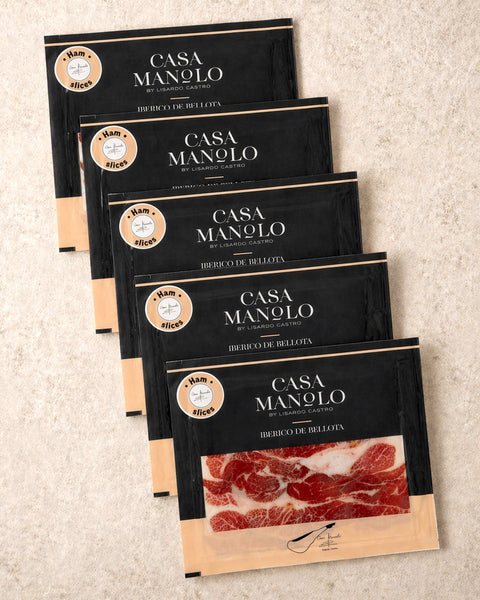
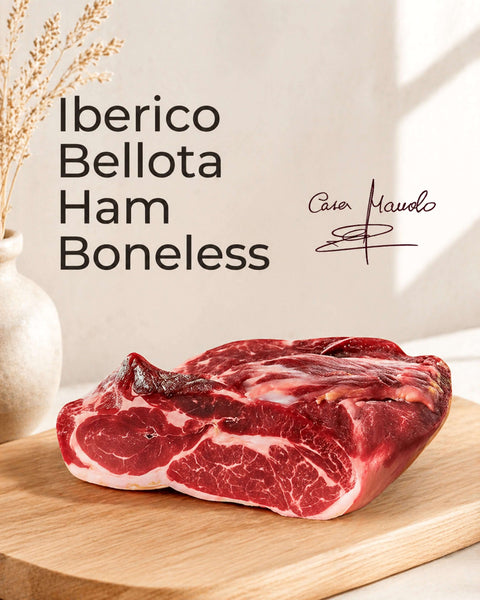
A whole piece, Bellota slices and Cebo slices let you test format and label without mixing in unrelated products.
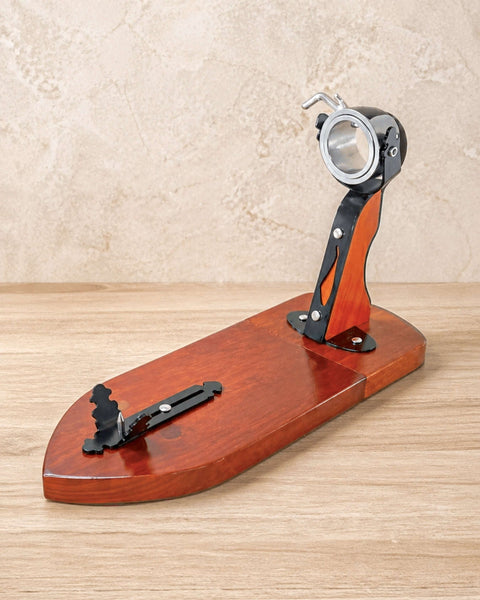
 Iberico Bellota Pork Loin Whole 325g
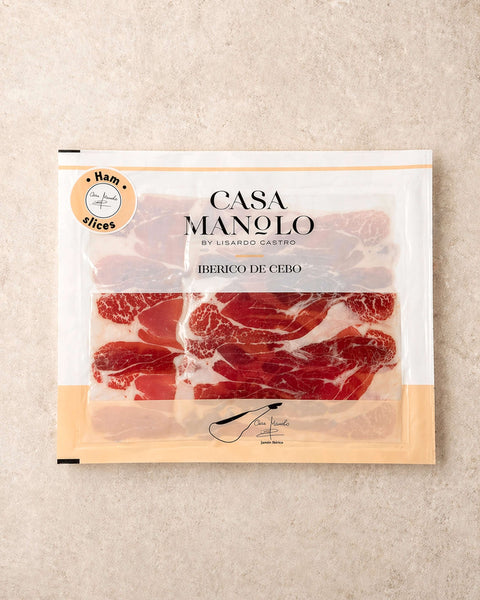
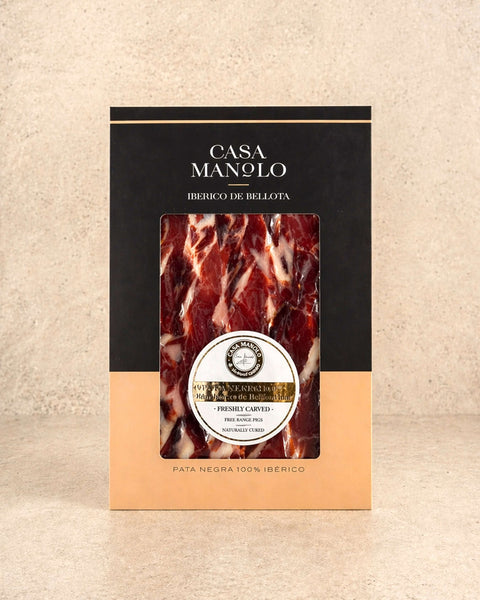
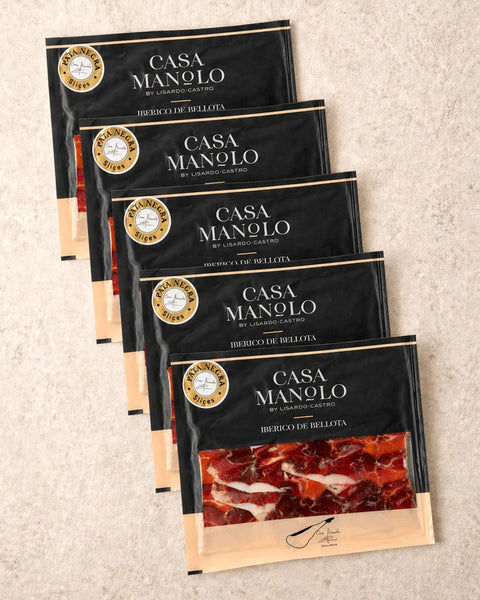
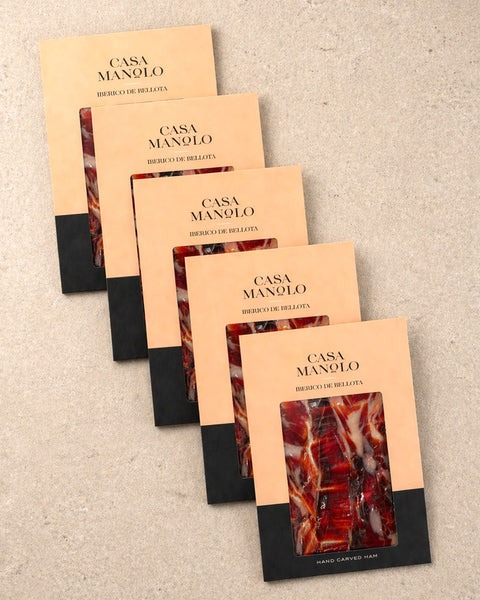
 Iberico Bellota Pork Loin Slices 100g
 Iberico Cebo Pork Loin Slices 100g
Choose quiet accompaniments
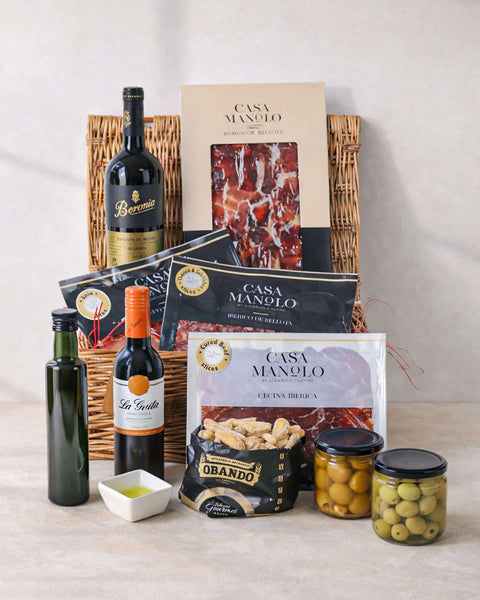
Picos, plain bread and mild olives add crunch or freshness without covering the cured loin. A few piquillo pepper strips can bring sweetness, but drain them well and place them beside rather than over the meat.
Strong mustard, sweet chutney and multiple flavoured oils turn a comparison into a condiment tasting. Put one optional accent in a small bowl and let the lomo remain the reference point.
Use lomo to create rhythm
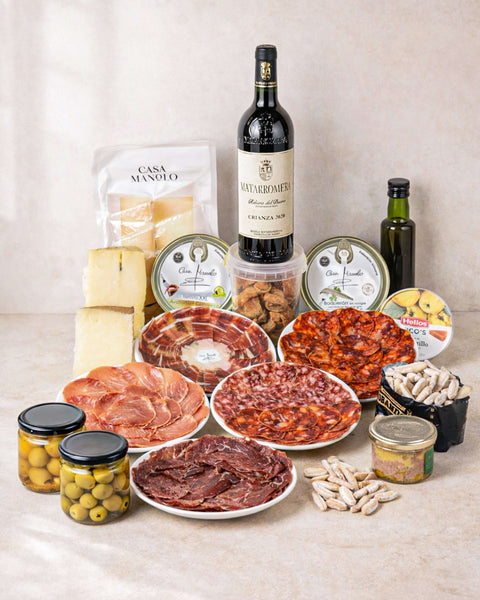
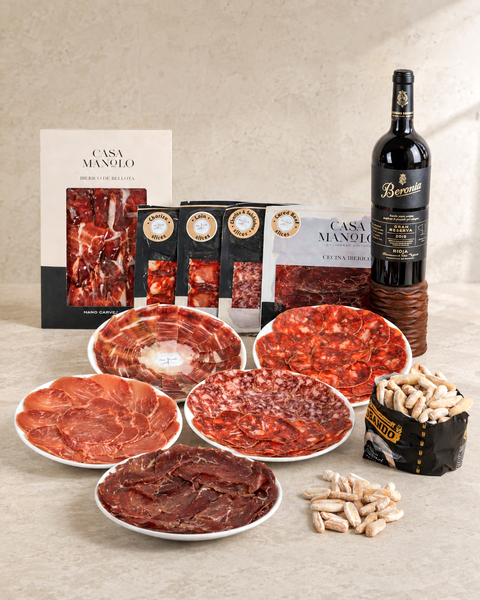
A board is easier to eat when rich and lean pieces alternate. Place lomo between jamón and chorizo, then add a neutral bite such as bread before the next cured meat.
If you are serving wine, taste the lomo before the most heavily spiced meat. This order keeps paprika or chilli from setting the baseline too early.
Make the quantity serve the occasion
For an aperitivo, lomo can be one of two or three cured meats. For a lunch built around charcuterie, add bread, a vegetable plate and cheese rather than simply increasing every meat portion.
Label each style if you are comparing Bellota and Cebo. Guests learn more when the names remain attached to the correct plate, and you avoid relying on memory once conversation starts.
A simple lomo-led board for four
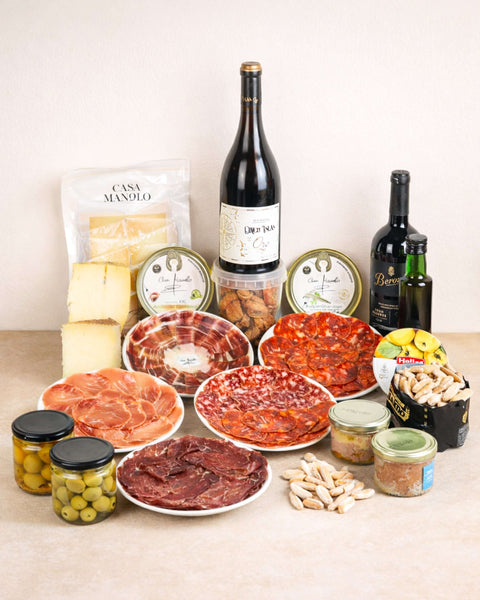
Begin with one lomo format, picos, mild olives and drained piquillo peppers. Add either jamón or salchichón, not both, so the lomo still has a distinct role. Put wet ingredients in bowls, place bread to one side and use a separate plate for each cured meat if the board is small.
Serve a modest first quantity and ask guests what changes between the unadorned slice, the slice with bread and the slice after a pepper. That sequence makes texture and contrast visible. If the first plate disappears, replenish with protected slices rather than enlarging the original arrangement until it becomes difficult to serve.
Questions readers often ask
Is lomo the same as jamón?
No. Lomo is cured pork loin; jamón comes from the hind leg and has a different texture and fat pattern.
How thick should I slice a whole piece?
Aim for even slices you can bite comfortably, adjusting only after tasting the first one.
What should I serve beside it?
Start with picos or plain bread, mild olives and a restrained vegetable contrast.
The short answer
Use lomo as the lean, structured element on a charcuterie board, and keep its accompaniments quiet enough for the slice to remain clear.