Heat level is only one part of choosing chorizo. Format changes the bite, paprika affects the board around it and the rest of the menu determines whether spice is a welcome accent or a distraction.
Start by deciding the chorizo’s role: featured comparison, single bold element or easy nibble. Then choose mild or spicy and whole, sliced or mini to match that role.
| Need | Useful choice | Serving move |
|---|---|---|
| Broad appeal | Mild whole or sliced chorizo | Keep hot garnish optional. |
| One bold accent | Spicy whole chorizo | Use fewer slices and neutral bread. |
| Casual individual bites | Mini chorizo | Serve in a separate shallow bowl. |
On a small screen, swipe or scroll across to compare.
Do not confuse spice with cooking state
A spicy cured chorizo and a cooking chorizo are different questions. Always check the exact product label for whether it is ready to eat or requires cooking.
Heat level never tells you safe preparation. If instructions are unclear, stop and verify the product page or packaging.
Use mild chorizo as a board member
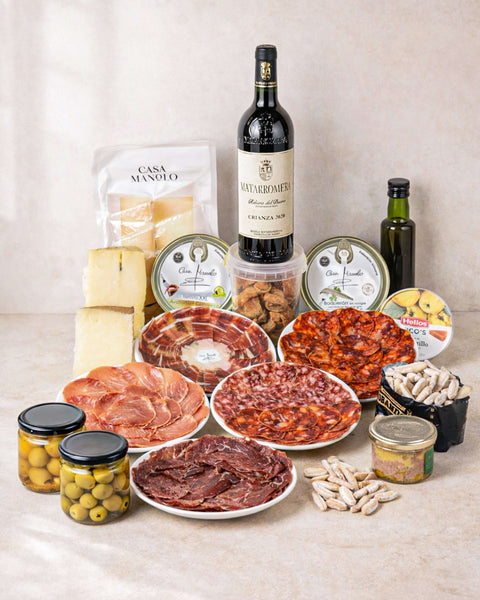
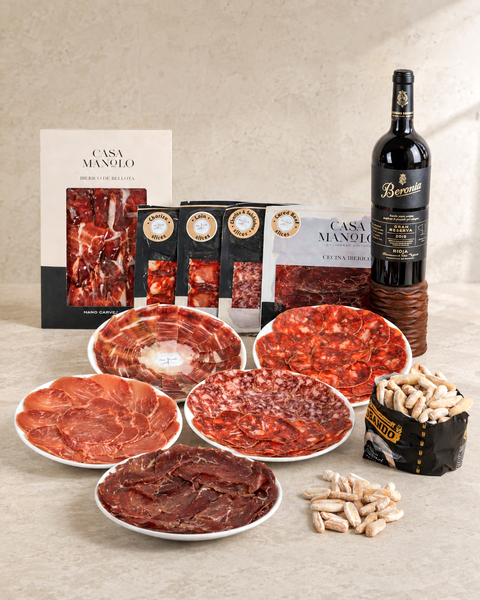
Mild chorizo can sit beside salchichón, lomo and cheese without dominating them. Keep slice thickness similar if the board is designed for comparison.
Serve the mild style before spicy pieces. This gives guests a baseline for paprika and texture before chilli changes perception.
Thirty-second check
- Verify cured versus cooking instructions.
- Serve mild before spicy.
- Make the spicy plate clearly identifiable.
- Compare similar bite sizes.
Compare heat and format
A mild whole piece, spicy whole piece and spicy mini format let you separate heat from the shape of the bite.
 Iberico Bellota Chorizo Whole 325g
 Iberico Spicy Chorizo Whole 325g
 Artisan Spicy Mini Chorizo (9 Pieces)
Use spicy chorizo as punctuation
A hot style works best when it is the single spicy element. Pair it with picos, plain bread or a mild cheese instead of adding chilli olives and hot sauce.
Put it on a clearly marked plate so guests who prefer less heat can choose confidently. Good hosting makes intensity visible.
Let format shape the heat
A thicker mini chorizo bite can feel more intense simply because there is more product in one mouthful. Thin whole-piece slices distribute seasoning differently.
Compare equal weights or equal-sized bites if you genuinely want to judge heat. Otherwise you may be measuring portion size.
Choose the drink for recovery
Fresh white wine, beer or water can provide relief, but sweetness and alcohol can also change heat perception. Provide water and avoid presenting one drink as a universal cure.
Taste the chorizo with plain bread first. Add the chosen drink on the next bite and decide whether the pairing refreshes or amplifies the spice.
Design a heat ladder, not a dare
Cut three comparable bites: mild chorizo, spicy chorizo and a thicker spicy mini piece. Serve them in that order with water and plain bread. Ask where seasoning becomes the main sensation and whether the thicker bite amplifies perceived heat.
For a mixed group, make the mild plate larger and treat the spicy style as an optional branch. Use separate utensils so paprika-rich oil does not transfer to cheese or bread. Label the hot plate clearly and let guests opt in; a relaxed tasting produces better feedback than surprise heat.
After the tasting, rebuild one composed bite around each style. Pair mild chorizo with an olive or pepper, and spicy chorizo with plain bread or mild cheese. If both bites work, choose according to the wider menu. If one overwhelms everything beside it, reduce portion size before rejecting the product.
Questions readers often ask
Is all chorizo spicy?
No. Heat varies, so use the exact product name and description.
Does “spicy” mean ready to eat?
No. Heat and preparation state are separate; follow the product label.
What should I serve with hot chorizo?
Start with plain bread, a mild cheese and water, keeping other spicy garnishes off the plate.
The short answer
Choose the chorizo’s role first, verify its preparation instructions, then match heat and format while keeping other board elements calm.