A useful Spanish pantry is not a shelf of souvenirs. Every item should solve a meal: add salt, smoke, richness, sweetness or crunch.
Begin with ten flexible ingredients and replace them as you discover what your household actually uses.
| Role | Ingredient | Use |
|---|---|---|
| Foundation | Olive oil, paprika, picos | Toast, cooking and crunch. |
| Ready plate | Olives, peppers, conservas | Instant tapas. |
| Finishing | Almonds, membrillo | Texture and sweetness. |
| Cold reserve | Cheese, charcuterie | Planned sharing plates. |
On a small screen, swipe or scroll across to compare.
Choose by role
Avoid buying three items that all add the same flavour. Balance salty, smoky, crisp and fresh-ready choices.
Give every item a job: olive oil for dressing and cooking, smoked paprika for depth, conservas for protein, peppers for sweetness, olives for brine, picos for crunch, and membrillo for measured sweetness. A role-based list stops the cupboard filling with attractive products that all solve the same problem.
Keep dates visible
Rotate older tins and jars forward and follow every label after opening.
Store products according to their labels, keep the dates facing forward and group unopened items by use rather than height. A simple note on the cupboard door can record what is open and what should be used next. Rotation matters more than owning a large range, especially after jars move to the refrigerator.
Starter ten
- Olive oil.
- Smoked paprika.
- Picos.
- Olives.
- Piquillo peppers.
- Tuna or anchovies.
- Marcona almonds.
- Membrillo.
- Manchego.
- Cured charcuterie.
Start with three flexible staples
Picos, peppers and tuna belly can become lunch, aperitivo or part of a larger board.
 Artisan Mini Breadsticks Picos
 Piquillo Peppers
 Cantabrian Tuna Belly in Olive Oil
Add one cold item
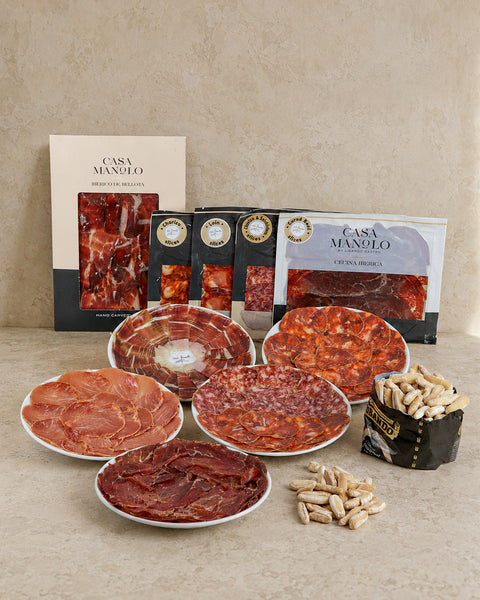
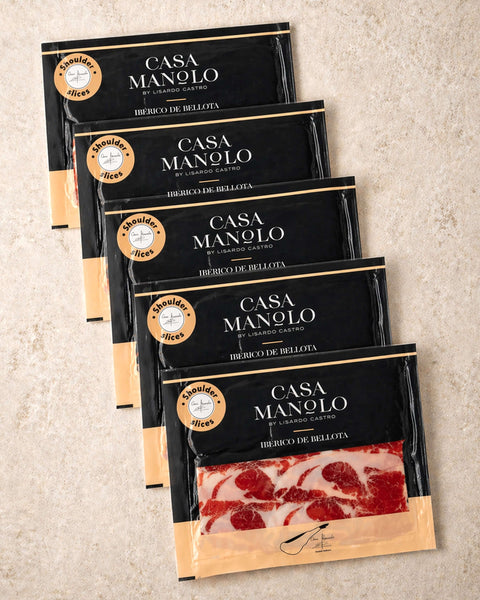
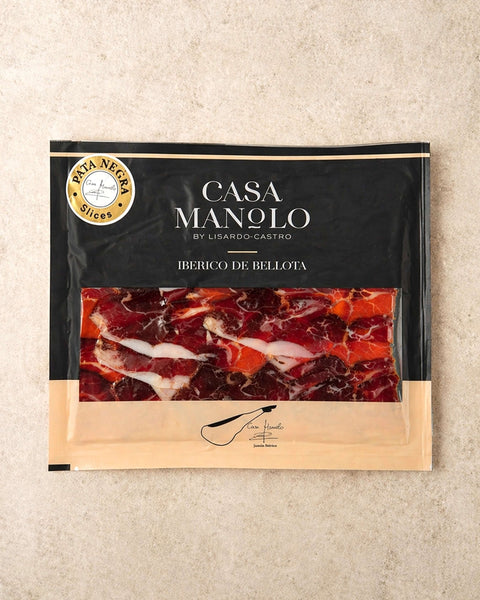
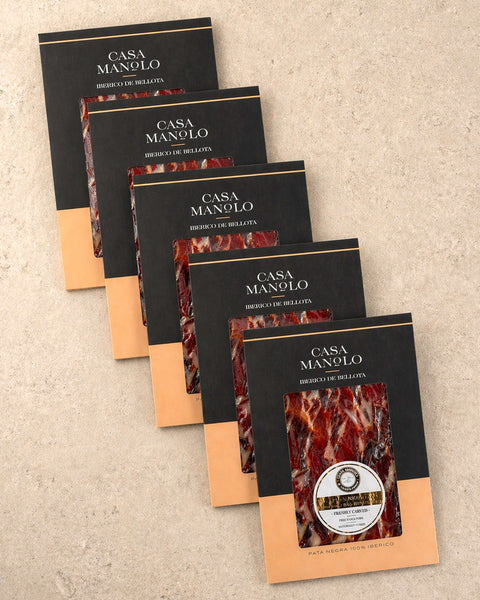
Cheese or cured meat turns pantry food into a fuller meal, but buy quantities you can use.
One cheese or cured product can turn preserved vegetables and bread into a fuller lunch, but it also introduces shorter storage windows and handling needs. Buy a pack size the household can finish safely. Use the pantry to support the cold item rather than opening several refrigerated products at once.
Build a repeatable lunch
Picos, peppers, tuna belly and olives can become a reliable no-cook plate.
Create two dependable combinations from the first shop: tuna belly with peppers and picos, and olives with cheese and bread, for example. Repeating a useful lunch teaches which products run out and which sit unused. Add new items only when they provide a genuinely different function.
Ten pantry roles worth covering
Aim for a dressing oil, a smoky seasoning, a vegetable preserve, a fish conserva, an olive, a crisp bread, an almond or other dry snack, a sweet-savoury accent such as membrillo, a dependable wine or alcohol-free drink, and one rotating refrigerated item. The exact products can change, but the roles create complete meals.
Review the shelf once a month. Bring earlier dates forward, plan one meal around anything open and remove products whose condition is uncertain. Keep a short list of successful combinations beside the shopping list. A useful pantry is not a collection: it is a small system that turns verified ingredients into lunch without waste.
Build the pantry around complete meals
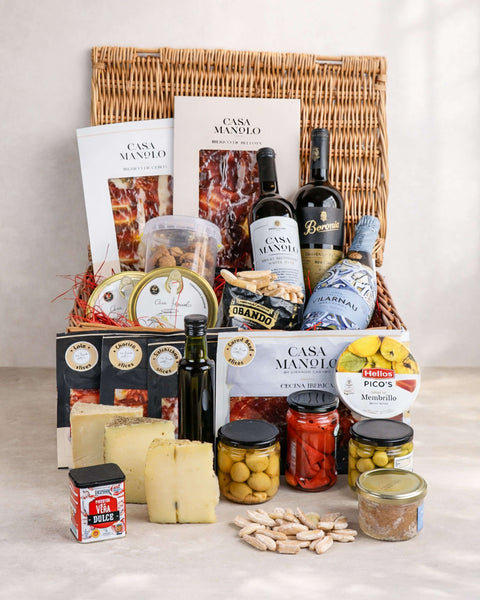
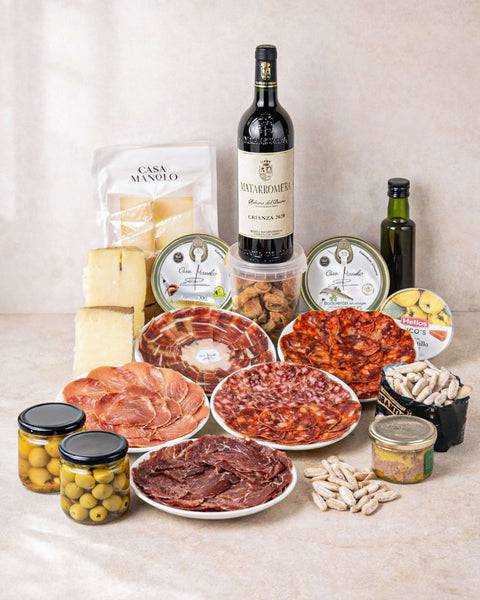
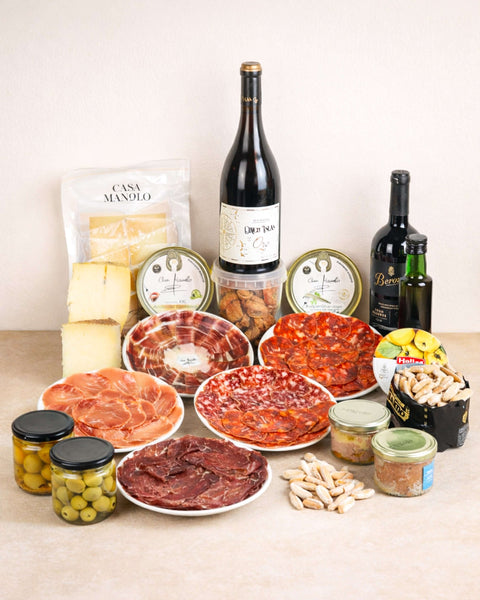
A useful starter shelf should produce more than snacks. Olive oil, smoked paprika and piquillo peppers can begin a warm dish; conservas, olives and picos can form lunch; Manchego and membrillo can finish it. Choose ten items by role and storage life rather than buying several versions of the same flavour.
Keep an inventory with the product name, best-before date and planned use. Put the item that should be used first at the front. When one jar or tin is opened, plan the next meal around it and follow its label. Rotation creates more value than a crowded cupboard of forgotten specialities.
More Spanish food, served simply
Join Casa Manolo notes for practical serving guides, new articles and occasional offers.
Useful emails only. You can unsubscribe at any time.
Pantry questions
Must everything be Spanish?
No. The goal is a useful kitchen, not a themed cupboard.
Buy large formats?
Only when your household will use them within label guidance.
Where to begin?
Choose one conserva, one crisp item and one vegetable preserve.
The short answer
Build by function, keep dates visible and buy quantities you genuinely use. A smaller active pantry creates better meals.