Piquillo peppers can anchor a platter when the rest of the food is chosen around their sweetness, soft texture and red colour.
Choose one of three directions—seafood, cheese or charcuterie—rather than combining all three.
| Direction | Add | Finish |
|---|---|---|
| Seafood | Tuna belly | Picos. |
| Cheese | Manchego | Almonds. |
| Charcuterie | Lomo | Olives. |
On a small screen, swipe or scroll across to compare.
Seafood stays delicate
Keep tuna pieces intact and peppers in strips.
Keep the seafood version light by lifting tuna belly intact, using broad pepper strips and adding dry picos at the edge. Avoid stirring fish and peppers into a single mixture. A little tomato or lemon can be offered separately so acidity remains optional.
Cheese needs crunch
Use almonds or picos, not both in excess.
For the cheese version, cut firm, comfortable pieces and use almonds or picos for crunch rather than both in large quantities. Place membrillo separately if used; piquillo peppers already contribute sweetness. The cheese should remain the centre, with pepper providing colour and softness.
Platter check
- One direction chosen.
- Peppers drained.
- One crisp element.
- One salty element.
- Negative space left.
Start with the seafood platter
Piquillo peppers, tuna belly and picos make the clearest first version.
 Piquillo Peppers
 Cantabrian Tuna Belly in Olive Oil
 Artisan Mini Breadsticks Picos
Charcuterie needs space
Alternate slices and peppers instead of stacking.
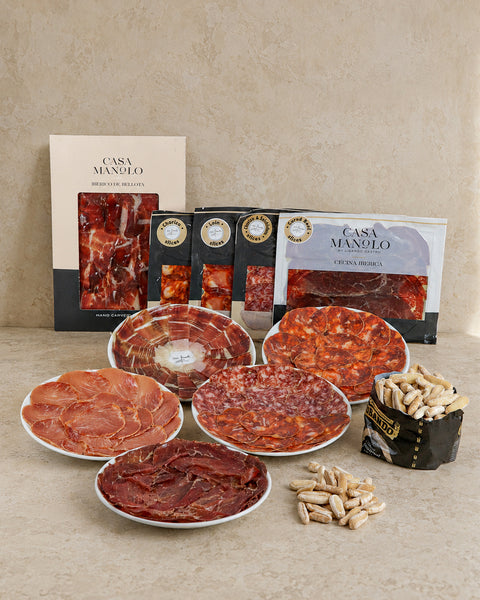
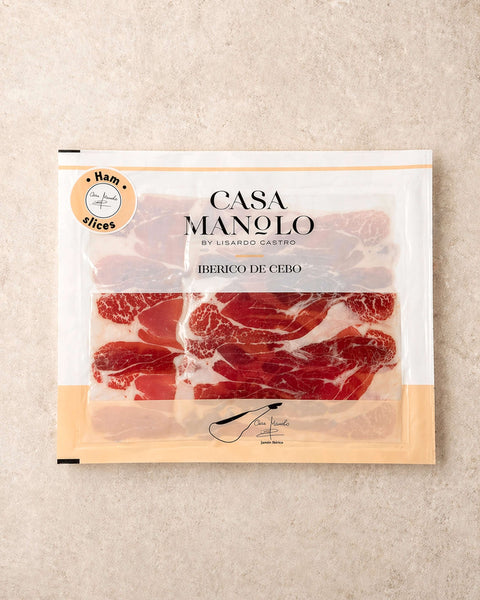
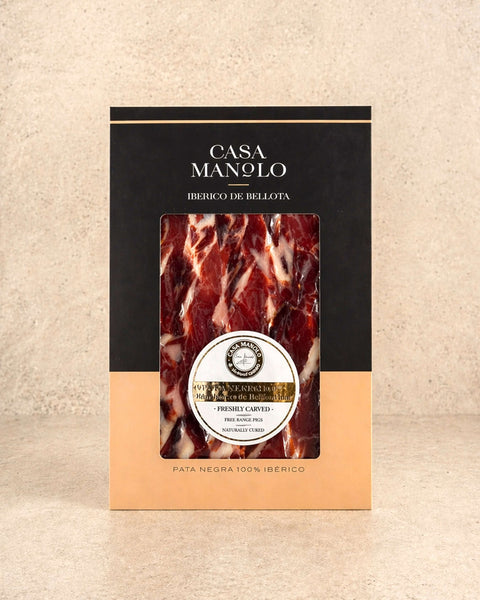
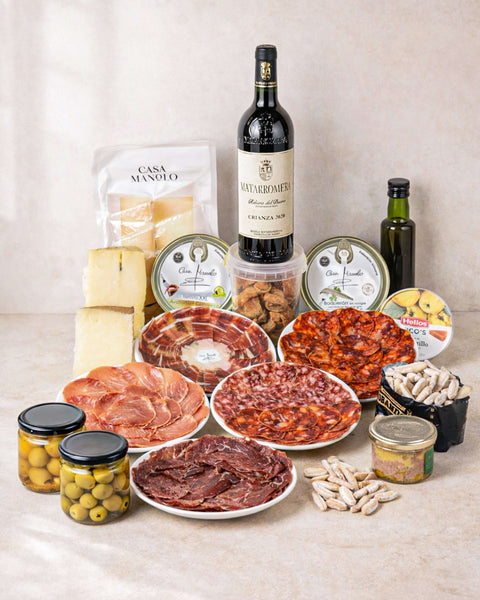
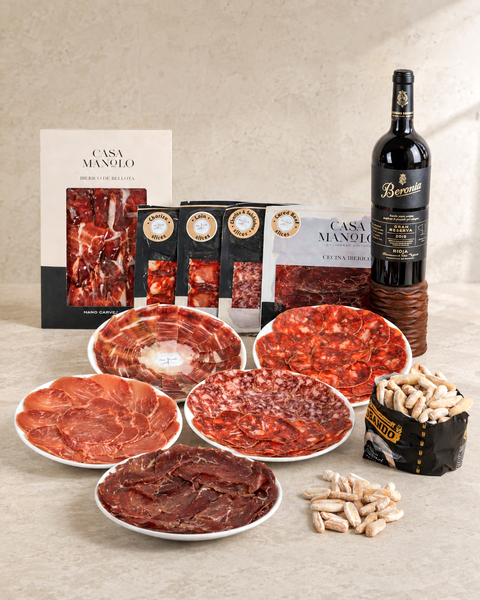
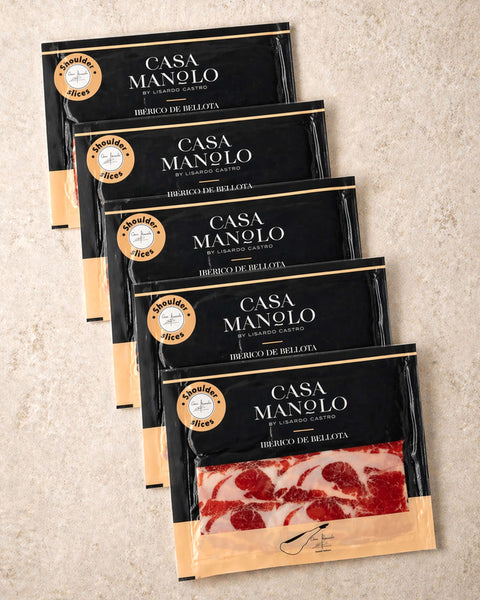
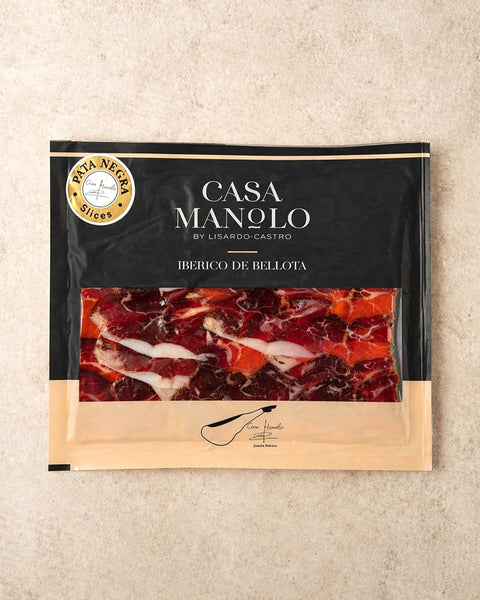
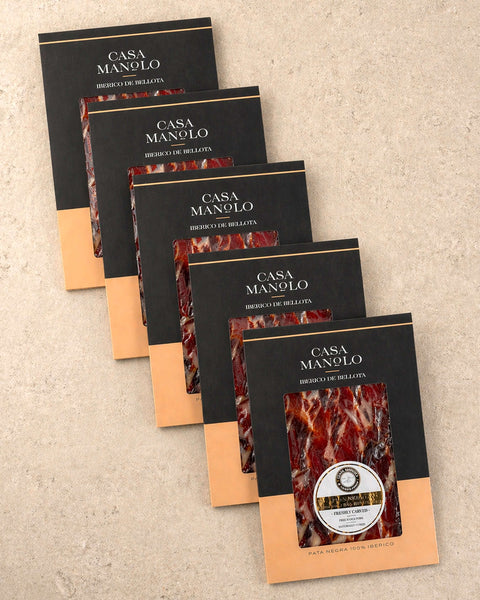
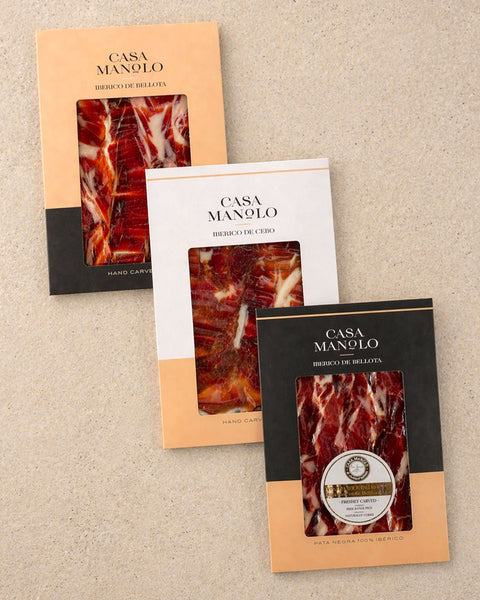
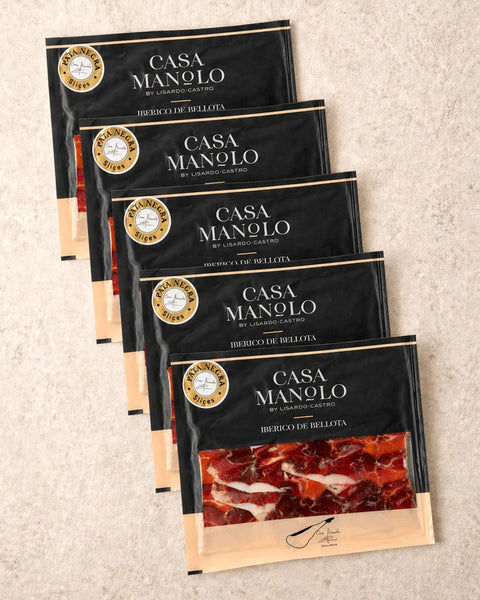
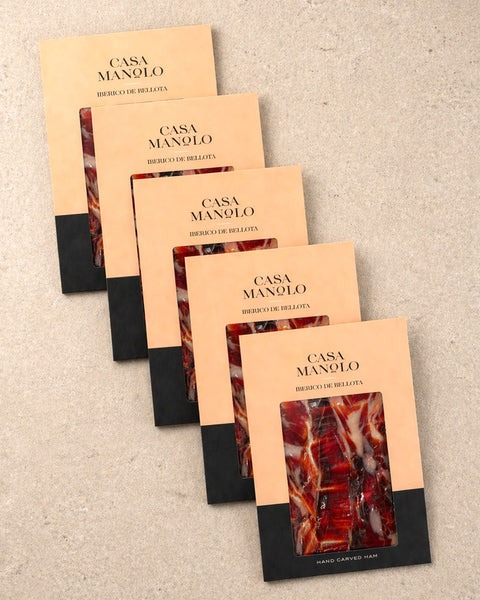
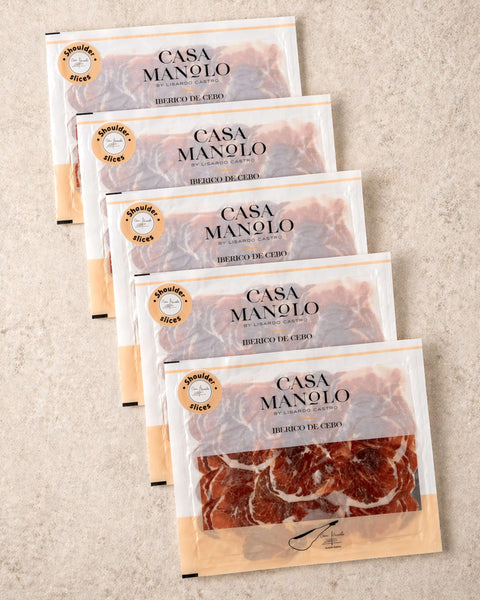
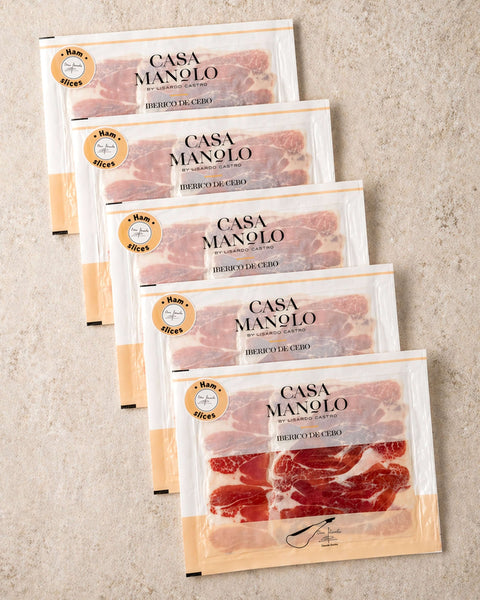
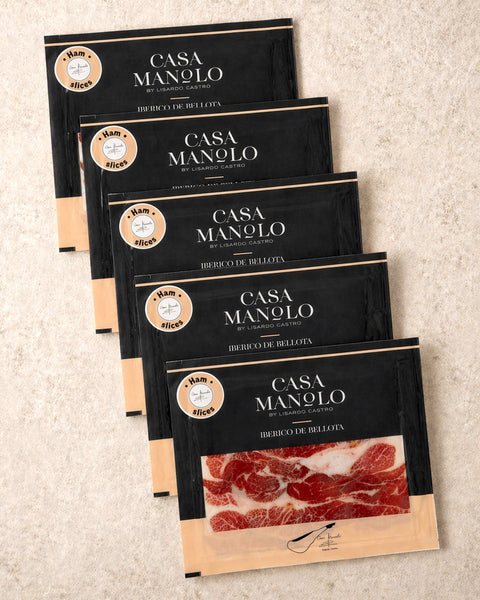
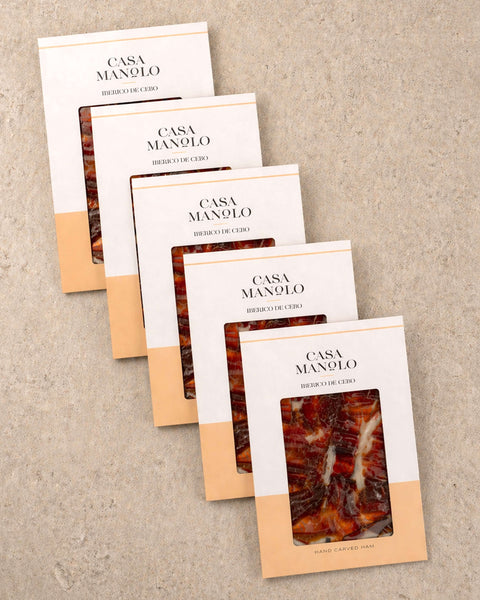
On the charcuterie platter, use loose rows of thin slices and repeat pepper strips in two or three positions. Keep olives in a bowl and leave empty plate between components. Space makes each meat easier to identify and prevents pepper liquid from coating everything.
Choose one platter direction
Use seafood for a delicate lunch, cheese for a meat-free centre where verified, or charcuterie for a richer aperitivo. Do not combine all three merely because the plate has room. A clear direction helps choose the drink, garnish and portion and makes the piquillo peppers feel integral rather than decorative.
Drain and cut peppers close to service, then assemble wet components after bread and dry items have their positions. If the platter will travel, pack seafood or meat, peppers, crisp items and garnishes separately. Finish on arrival and keep every perishable product within its label guidance.
Portion the platter in layers
Set out the main protein or cheese first, add peppers in measured groups and finish with the dry accompaniment. This order prevents bread and almonds being buried under wet ingredients. Use small bowls for olives or extra peppers when the liquid should remain contained. Give every component a serving edge that guests can reach without moving the rest of the arrangement.
Keep reserve components separate and stored correctly. Refill the element guests actually want instead of expanding every section of the platter. A fresh second plate can repeat the same clear design and will usually look better than squeezing replacements into a handled arrangement. Photograph the first successful layout if you want a quick reference for future gatherings.
Keep the three platter ideas genuinely different
The seafood version should feel delicate: intact tuna belly, broad pepper strips and dry picos. The cheese version needs firmer shapes and a measured crunch from almonds. The charcuterie version benefits from thin slices, olives and more empty space. Repeating every garnish across all three removes the reason to choose a direction.
Drain peppers close to service and keep them away from crisp food until the final arrangement. Use colour as part of the composition by leaving some cream plate visible around the red strips. If the platter will travel, pack wet, dry and sliced elements separately and assemble on arrival.
Whichever direction you choose, repeat one ingredient in a second form instead of adding a fourth category. For example, use whole peppers and a finely chopped pepper garnish on the seafood version. Repetition creates cohesion while preserving the clear theme of the platter.
Platter questions
Mix all three directions?
You can, but a focused platter is easier to balance.
Warm peppers?
Optional; follow the dish and product guidance.
Prepare early?
Set dry items first and add wet peppers near serving.
The short answer
Choose seafood, cheese or charcuterie as the direction, then add one crisp element and leave the peppers visible.