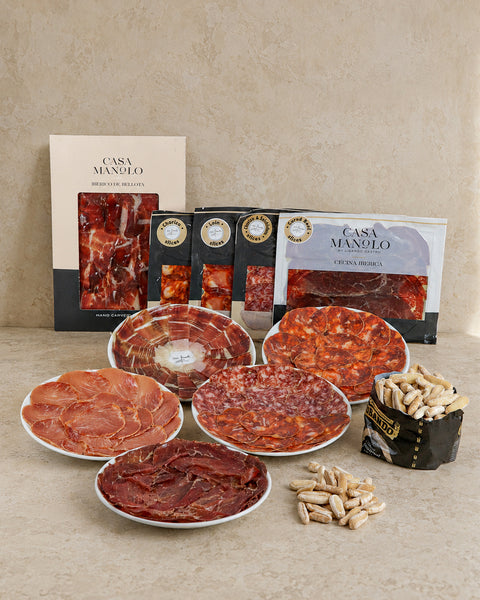
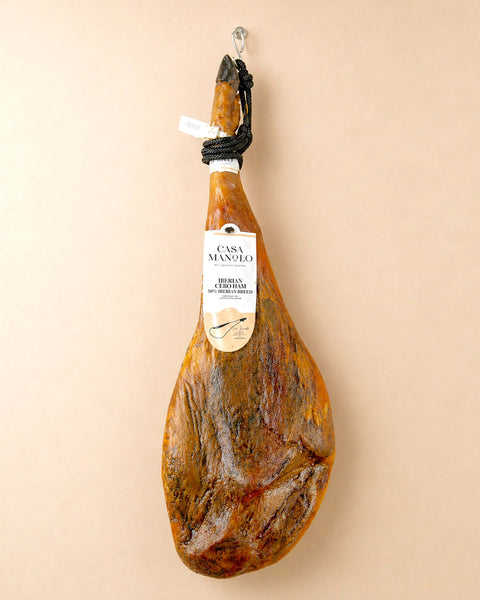
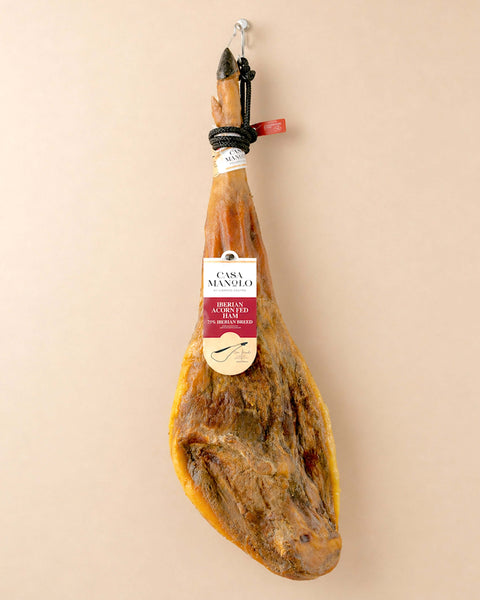
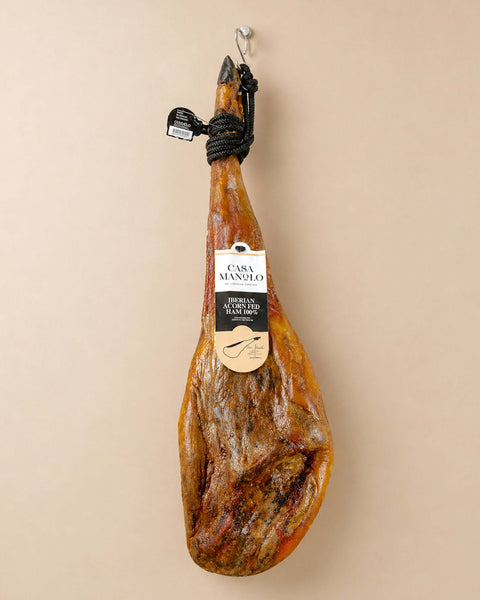
The listed weight of a whole jamón includes bone, rind and protective fat as well as edible slices. Gross kilograms are not plated kilograms.
Yield varies with the piece and the carver, so avoid false precision.
| Part | Role | Use |
|---|---|---|
| Slices | Main edible portion | Serve thinly. |
| Fat and rind | Protective covering and trimming | Trim progressively. |
| Bone | Structure | May be used only where appropriate and safely prepared. |
On a small screen, swipe or scroll across to compare.
Compare formats honestly
Whole, boneless and sliced products have different usable proportions.
A whole jamón's labelled weight includes parts that protect and structure it as well as the slices served. Boneless and pre-sliced formats have different preparation already completed, so a direct gross-weight comparison is misleading. Compare the role, labour, equipment and usable service each format provides.
Carving skill affects yield
Deep cuts and uneven surfaces waste meat.
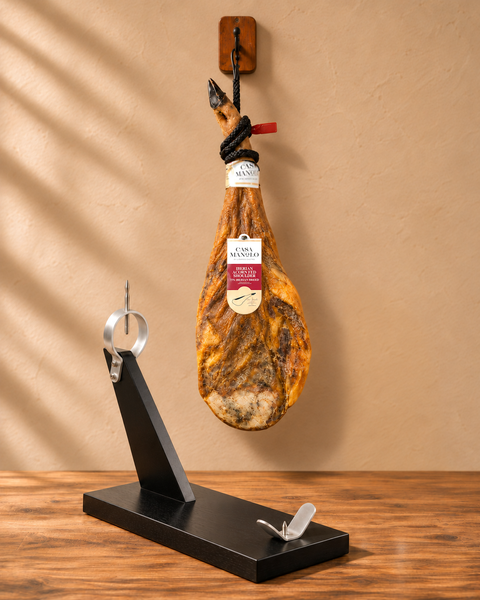
Shallow, parallel carving protects the surface and reduces avoidable thick scraps. Deep channels, steep angles and an unstable stand can leave meat difficult to recover cleanly. Learning from a qualified carver or reliable equipment guidance may improve both safety and the proportion that reaches the plate.
Yield check
- Gross weight understood.
- Format compared.
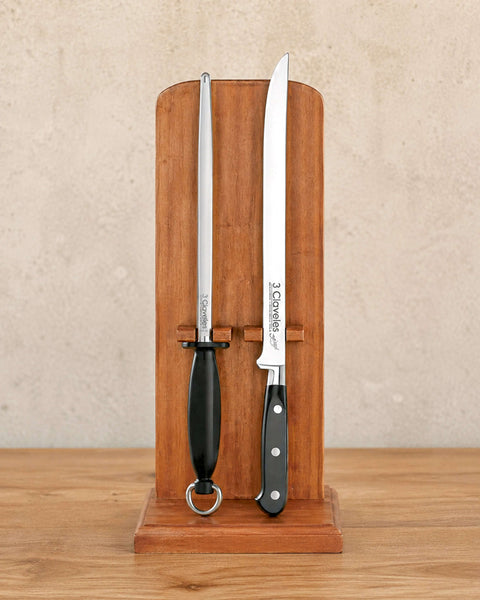
- Stand and knife ready.
- Carving plan.
- Waste plan.
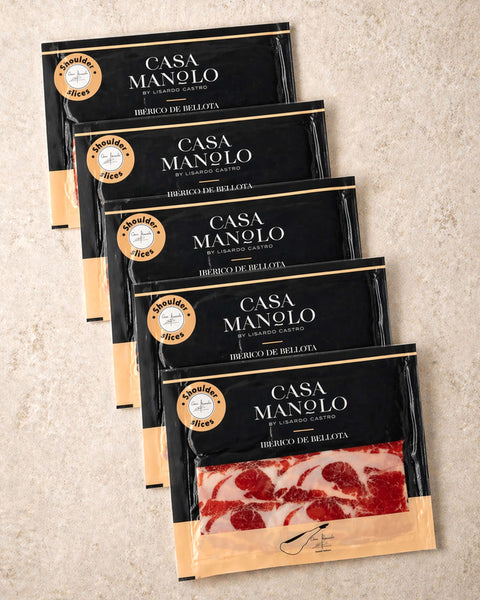
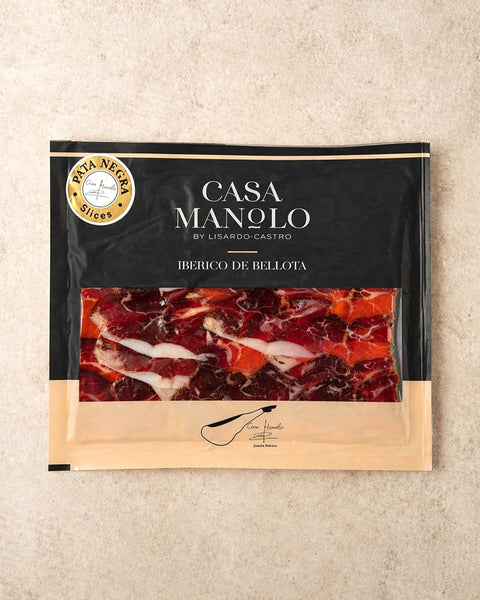
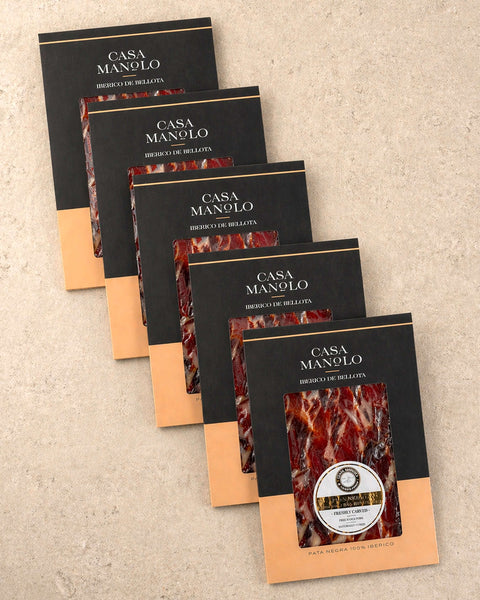
Compare three buying formats
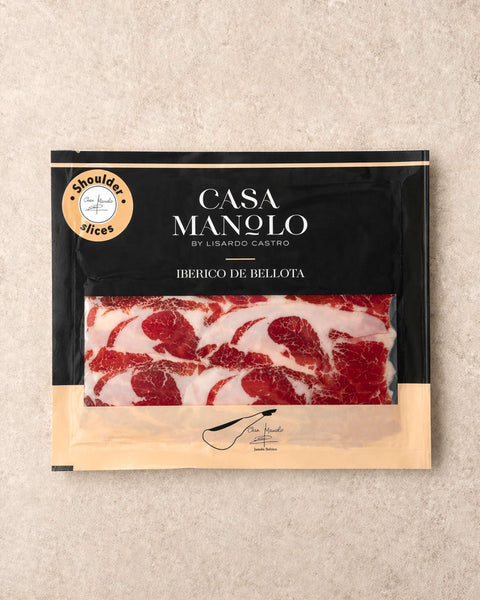
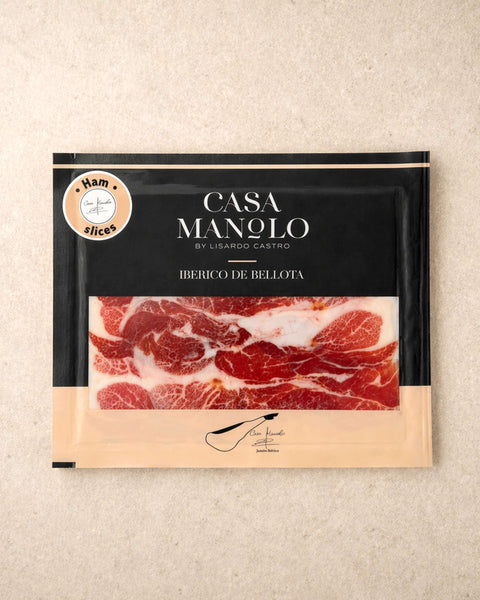
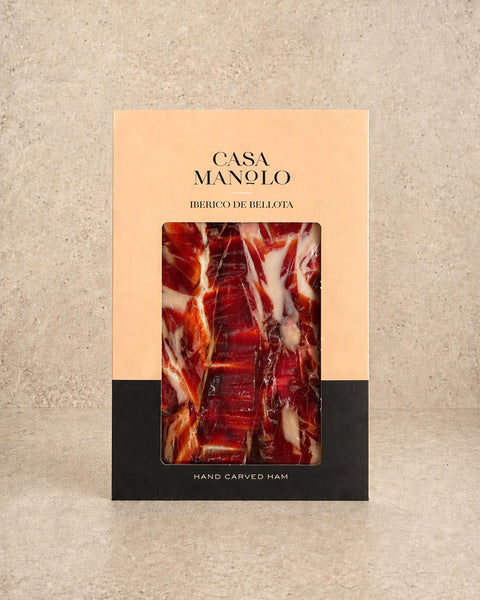
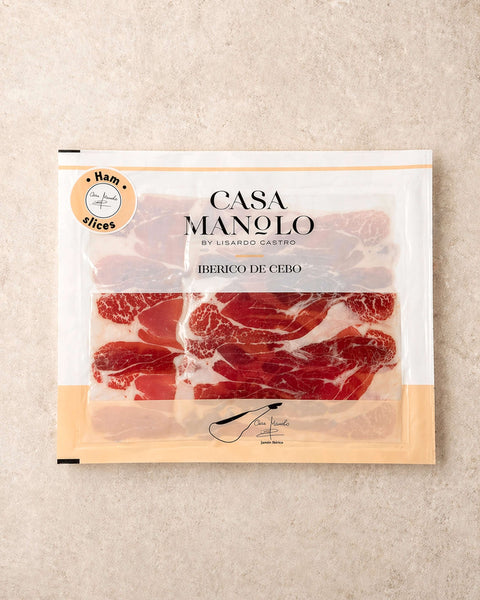
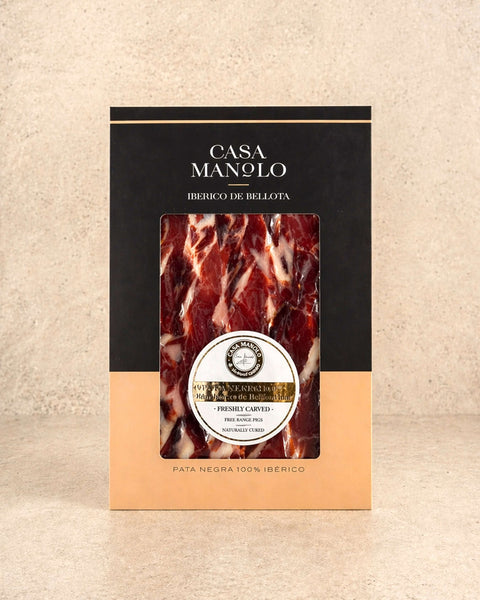
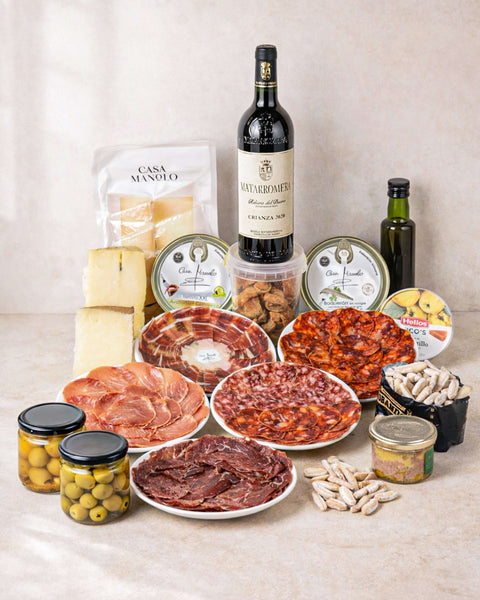
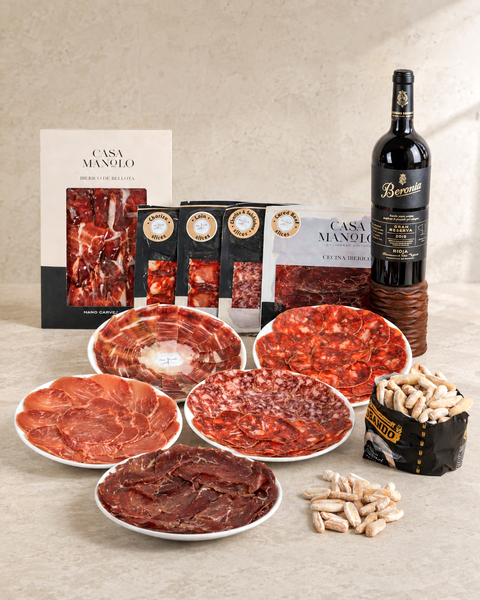
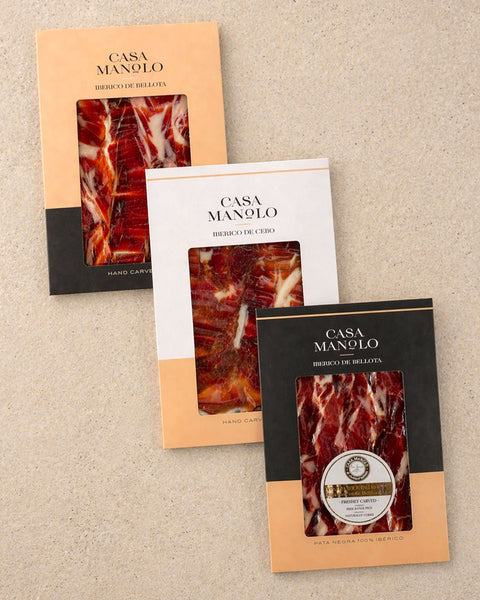
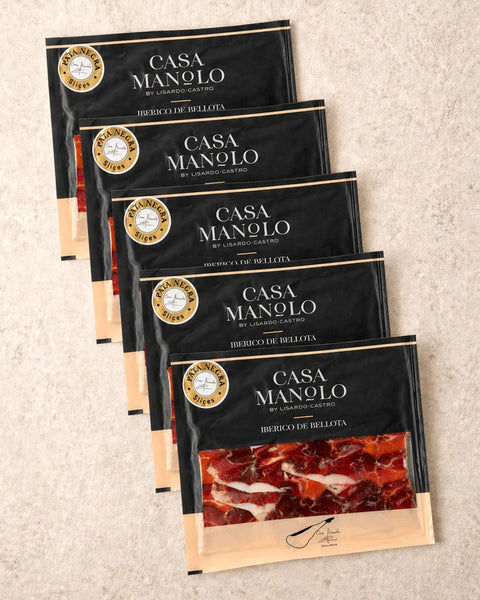
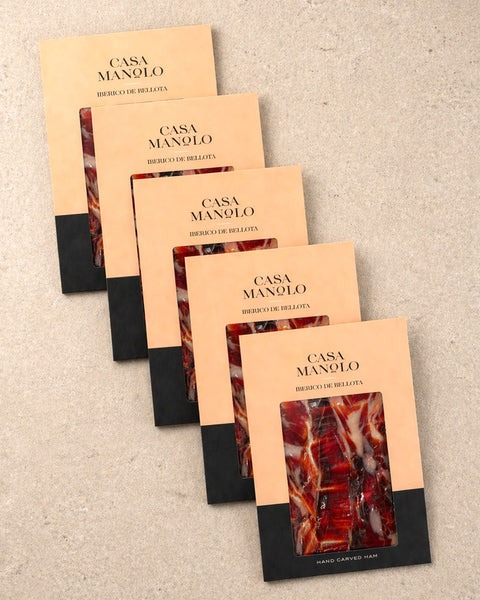
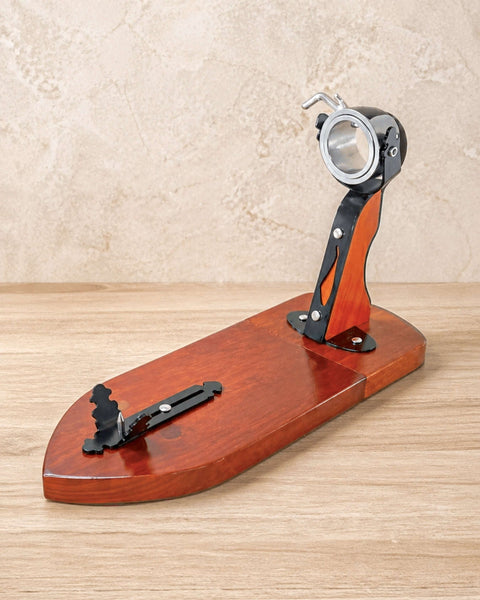
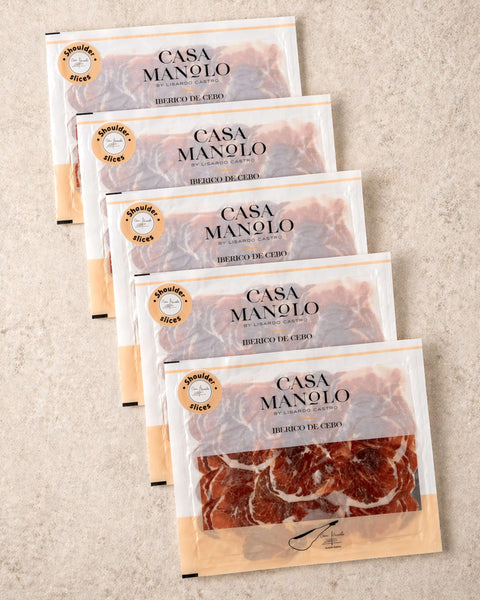
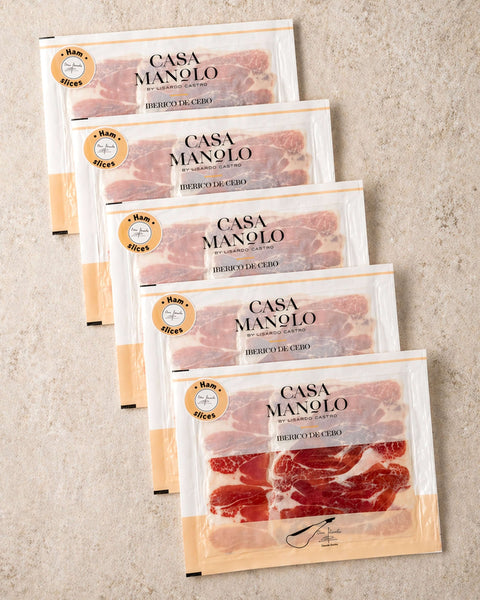
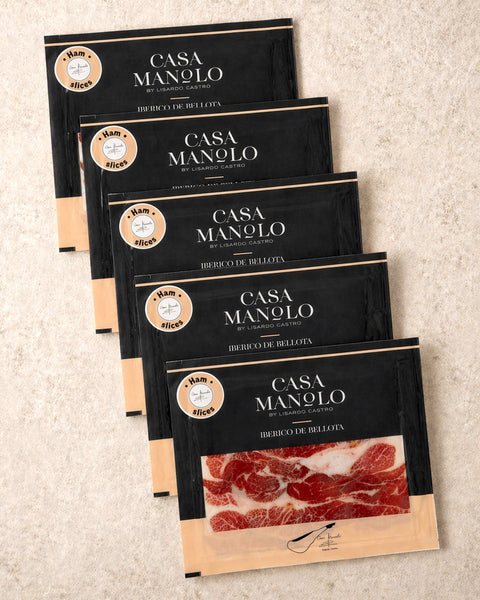
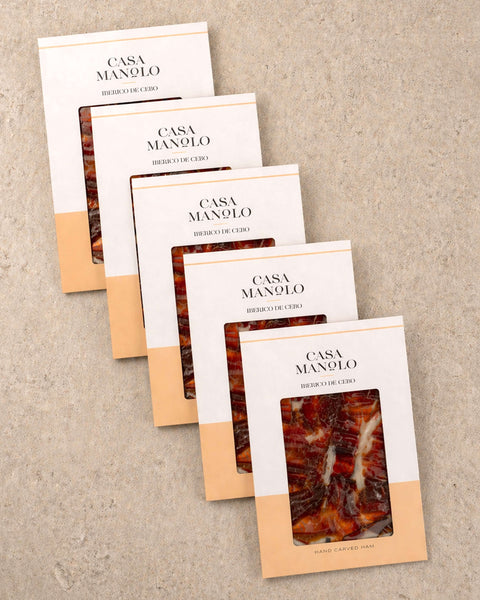
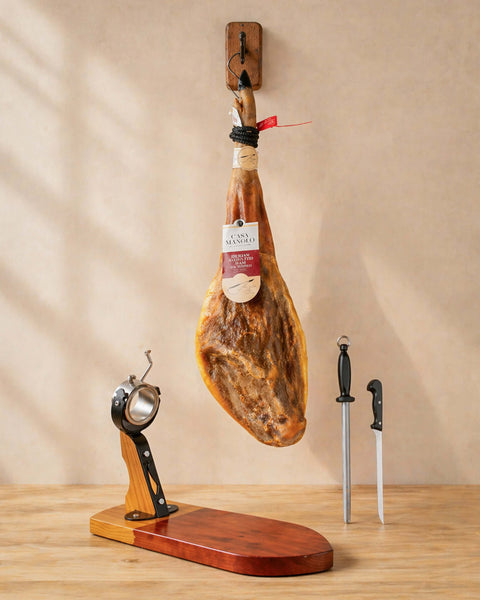
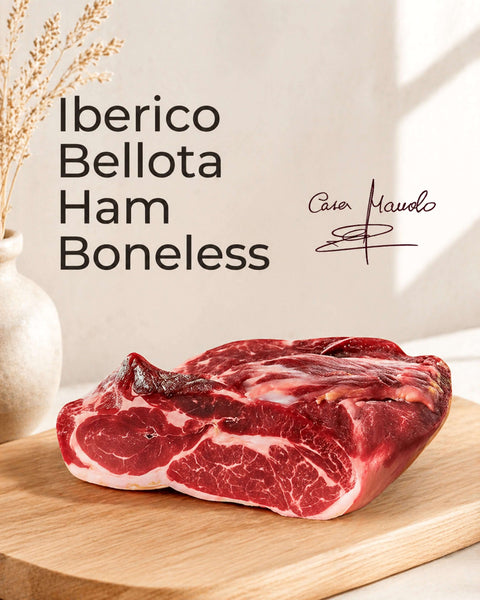
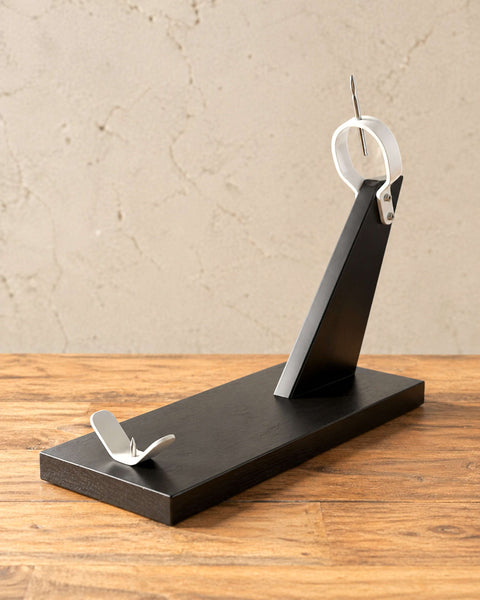
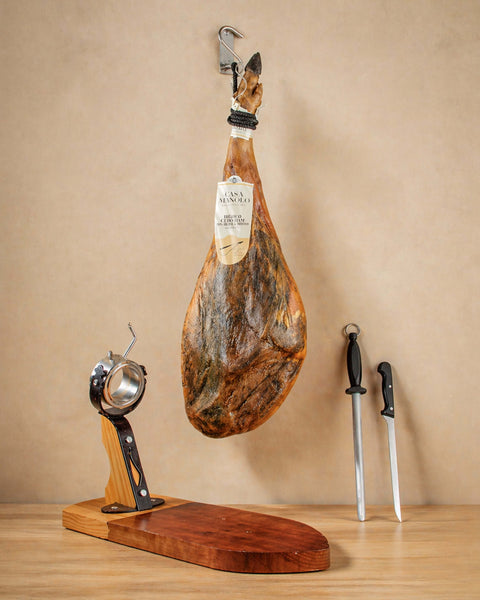
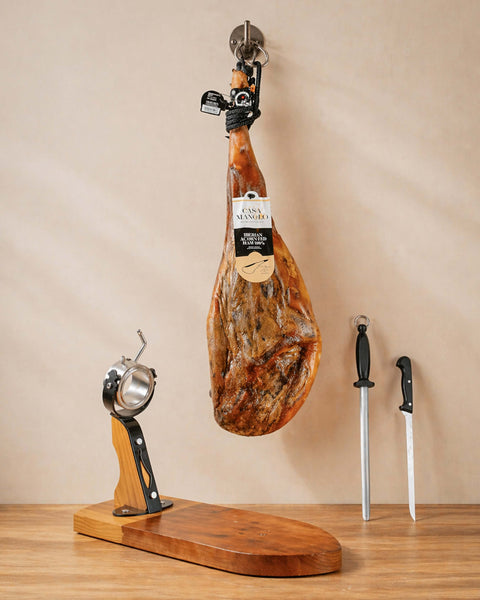
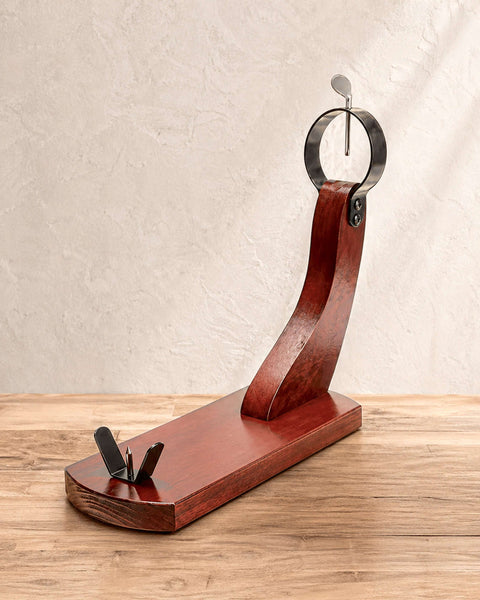
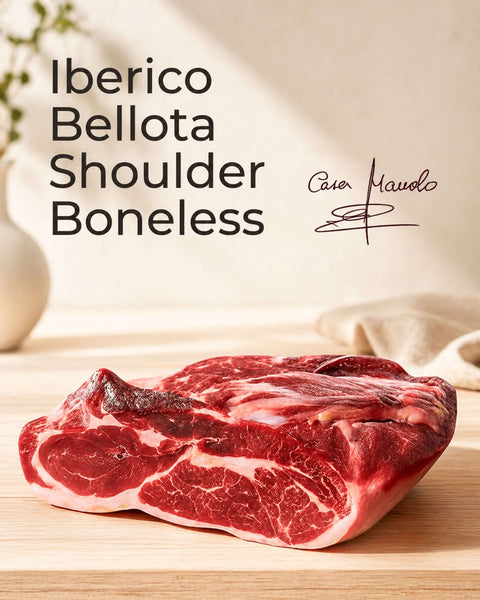
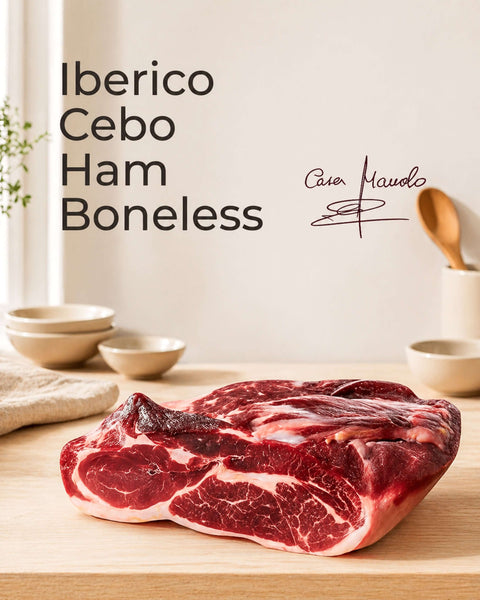
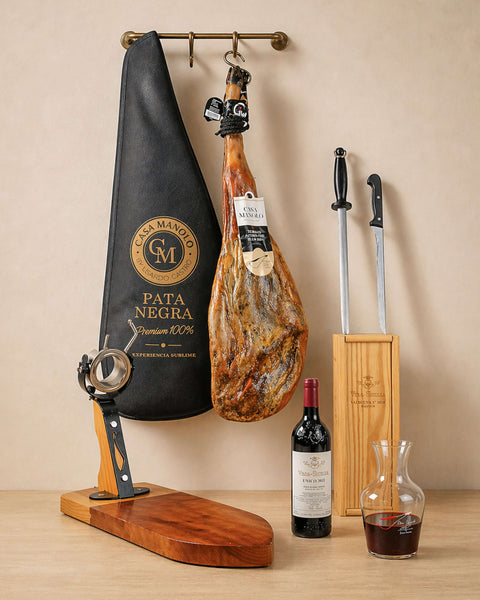
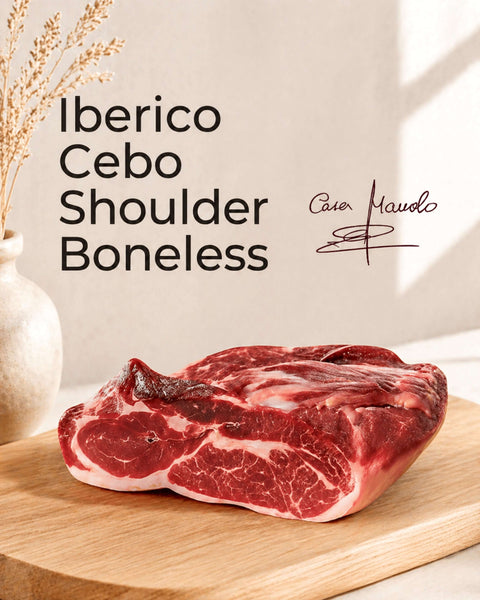
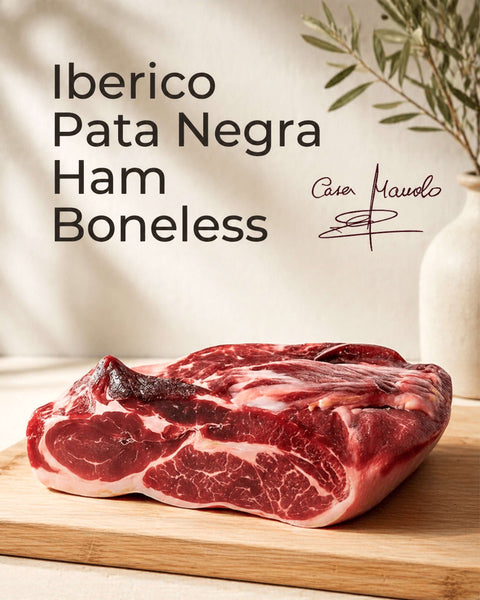
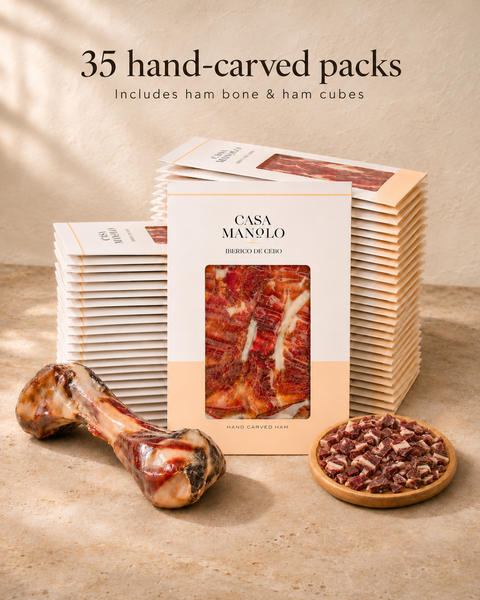
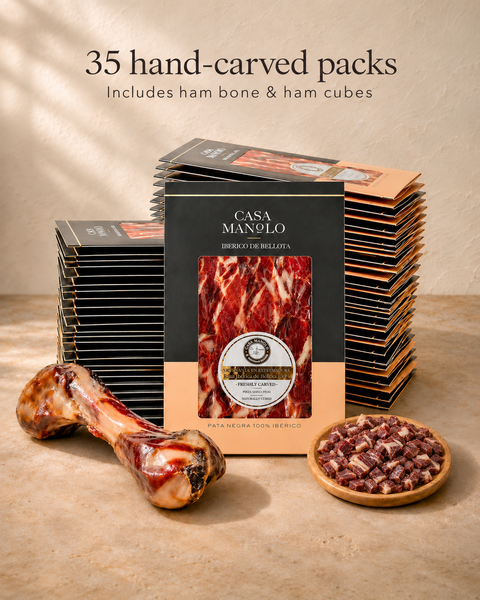
A whole-leg set, boneless piece and pre-sliced pack make the differences in gross weight, preparation and usable service visible.
 Iberico Bellota Ham Set
 Iberico Bellota Ham - Boneless
 Iberico Bellota Ham 100g
Use the whole leg over time
Plan gatherings and protect the cut face between sessions.
A whole leg is a series of serving sessions, not one event. Plan who will carve, how the exposed surface will be protected and when the next service is likely. If the household cannot maintain that routine, a boneless or sliced format may deliver more practical value despite a different headline price.
Track your own usable yield
Record the starting labelled weight, date opened, number of sessions and approximate plated portions. Note trimmings used appropriately, non-edible components and any avoidable waste from poor cuts or drying. The log will not create a universal yield percentage, but it will make the next purchase more accurate for your household.
Also record time spent setting up, carving and cleaning, plus how often the stand occupied space between sessions. Value includes the pleasure of the ritual, but also the work required to deliver good slices safely. A format is successful when it fits both appetite and routine.
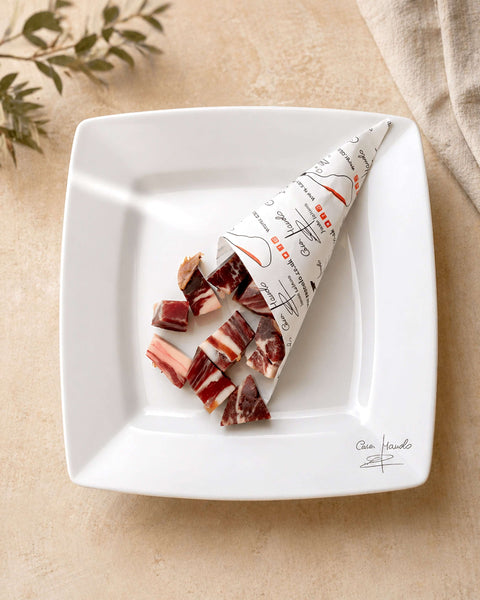
Use trimmings with a plan
Some trimmed fat or small pieces may have culinary uses, while bone and rind require different handling. Follow reliable product guidance and local disposal rules rather than assuming every part is edible or suited to the same recipe. Label and store anything retained so it is not forgotten.
Decide the purpose before trimming: opening the cutting face, levelling the surface or collecting a usable piece. Removing more than the immediate task requires can expose the jamón unnecessarily. A careful carver works in stages and protects the remainder between sessions.
Track edible service instead of guessing a percentage
Gross weight includes the bone, rind and protective fat that make a whole leg possible. The edible yield changes with the specific piece, trimming choices and the skill of the carver. A single percentage can create false confidence, especially when comparing a leg with boneless or pre-sliced formats.
For your own household, record the labelled starting weight, the number of serving sessions and the approximate plated portions. Note avoidable waste caused by uneven cuts or dried surfaces. This practical log helps plan the next purchase without making unsupported claims about what every leg must yield.
Also record the equipment and time required for each carving session. A format that appears economical by gross weight may be inconvenient if the stand cannot remain set up or the household serves jamón rarely. Usable value includes safe, confident service as well as edible slices.
More Spanish food, served simply
Join Casa Manolo notes for practical serving guides, new articles and occasional offers.
Useful emails only. You can unsubscribe at any time.
Yield questions
Exact edible percentage?
It varies; use supplier guidance for the specific piece.
Is boneless better value?
Not automatically; compare like-for-like quality and usable weight.
Can bone be used?
Only with appropriate food-safety handling and preparation.
The short answer
Whole-leg weight includes bone, rind and fat. Compare usable format and carving needs, not kilograms alone.