Ribera del Duero is a red-wine region built around Tempranillo, locally known as Tinta del País or Tinto Fino. The wines can be structured, but the name of the region alone does not tell you how heavy a particular bottle will feel.
Read the producer, vintage and ageing information together, then choose for the food rather than for reputation alone.
| Occasion | Look for | Serve with |
|---|---|---|
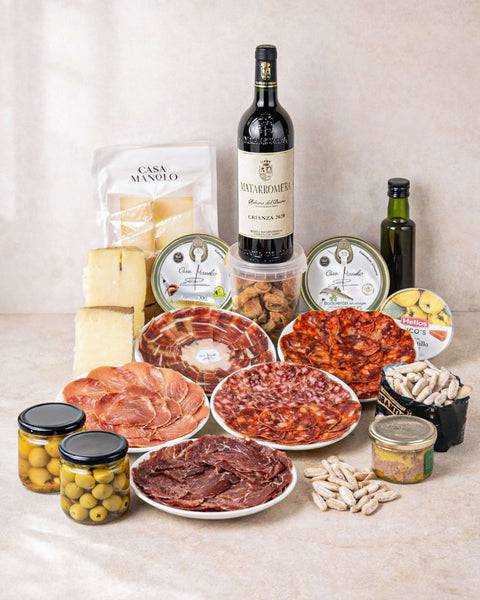
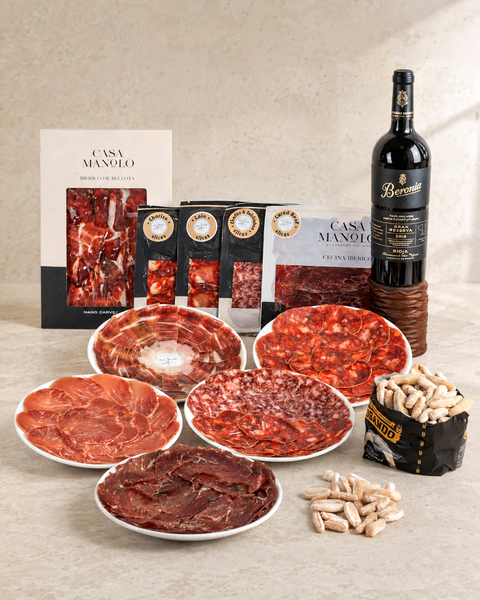
| Tapas night | Freshness and moderate oak | Chorizo, lomo or mushrooms. |
| Roast dinner | Structure and savoury depth | Lamb, pork or beans. |
| Slow tasting | A bottle with developed character | Simple cheese and bread. |
On a small screen, swipe or scroll across to compare.
Start with Tempranillo
The grape provides the thread, but altitude, vintage and winemaking change the finished wine. Expect differences between producers.
Tempranillo is often central, yet the regional name does not tell you the whole blend or method. Read the label and producer information for the exact bottle. Rather than searching for one official flavour, look for the relationship between fruit, acidity, tannin and oak, because that balance determines whether the wine feels agile or powerful with food.
Read ageing words as information
Roble, Crianza, Reserva and Gran Reserva indicate different approaches and minimums under the appellation rules. They should guide expectations, not create an automatic ranking.
Ageing categories set regulatory context within the appellation; they do not replace vintage and producer. A younger bottle may suit a lively charcuterie meal, while a more developed wine may be chosen for a slower dinner. Decide what you want the wine to do before assuming the longest-aged option is automatically the best purchase.
Bottle-selection check
- Producer and vintage noted.
- Ageing term understood.
- Food intensity matched.
- Serving temperature planned.
- Clean glasses ready.
Explore Ribera del Duero
These verified Casa Manolo options cover individual bottles and a tasting trio.
 Matarromera, Crianza (Ribera del Duero)
 Pago de los Capellanes Ribera del Duero
 Ribera del Duero Wine Collection - Signature Trio
Give the glass room
A medium or large red-wine glass helps aroma. Pour modestly, taste and only then decide whether more air is useful.
Open the bottle with enough time to taste it before guests arrive, but avoid automatic long decanting. Pour a small sample, observe the aroma and texture, then decide whether a larger glass or more air helps. If sediment or a closure problem is suspected, handle the bottle calmly and consult producer guidance where available.
Match the plate to the bottle
Lighter examples can handle charcuterie; more structured bottles suit roast meat or slow-cooked dishes. Keep very sweet sauces away from dry red wine.
Tannin reacts strongly with the meal. Protein and fat can soften a structured red, while chilli, sweetness or sharp vinegar can make it feel harder or more alcoholic. Keep one neutral element such as bread or simply cooked potato on the table so guests can reset between richer bites.
How to read a Ribera del Duero label
Start with the protected-origin name, producer and vintage. Then look for an ageing indication and any grape information the producer provides. Check bottle size and alcohol content so the purchase suits the group and occasion. Marketing language can be helpful, but it should sit behind the regulated and producer-specific facts.
When comparing two bottles, match the food, glass and approximate serving temperature. Taste before reading long descriptions, writing down only three things: fruit character, firmness of tannin and the length or warmth of the finish. Return to the glasses with food. The bottle that integrates most naturally with the menu is the better choice for that meal, regardless of hierarchy.
Separate region, ageing and producer
Three pieces of information sit together on a bottle but answer different questions. Ribera del Duero identifies the protected origin; an ageing term describes a regulated approach; the producer and vintage help explain the individual wine. None should be used alone as a promise that a bottle will be bigger, smoother or better.
For a first comparison, pour two bottles beside one simple plate of cured meat and bread. Keep glassware and serving temperature constant. Look for differences in fruit, tannin, oak and finish before adding cheese or sauce. A controlled comparison teaches more about the region than tasting several unrelated foods at once.
Ribera questions
Is Ribera del Duero the same as Rioja?
No. They are separate protected regions with different geography, rules and producer traditions.
Must it be decanted?
No. Taste first; air can help some wines and be unnecessary for others.
What is Tinto Fino?
It is a local name used for Tempranillo in the region.
The short answer
Choose Ribera del Duero by producer, style and food. Expect Tempranillo-led reds, but do not reduce a diverse region to one powerful stereotype.
Keep exploring
Source: D.O. Ribera del Duero.