Cheese can be excellent and still disappoint when served too cold, dried at the edges or left uncovered beside stronger foods. Storage protects it; serving temperature lets it speak.
There is no single rule for every cheese. Follow the producer’s label, keep the original information and cut only what you plan to serve.
| Moment | Action | Reason |
|---|---|---|
| Storing | Keep wrapped as directed and refrigerated where required. | Limits drying and unwanted odours. |
| Before serving | Cut the needed portion and follow label guidance. | A smaller piece is easier to manage. |
| After serving | Return eligible leftovers promptly and rewrap. | Protects the remaining cheese. |
On a small screen, swipe or scroll across to compare.
Keep the label with the cheese
The pack contains the reliable date, storage and allergen information. Do not discard it when moving a wedge to another container.
When you divide a wedge, keep the original label and record which piece belongs to it. Product name, use-by or best-before information, allergens and storage directions are more important than a handwritten guess. If several cheeses share a container, prevent direct contact and cross-contamination between different rinds and cut faces.
Avoid an airtight sweat box
Cheese needs protection from drying, but trapped moisture can harm the surface. Use the packaging or wrapping method recommended by the producer.
The correct wrapping depends on the product and producer, so do not replace explicit pack instructions with a universal cheese rule. Whatever method is specified, use clean hands and tools, protect the cut face and avoid pools of condensation. Inspect the piece before every serving rather than assuming correct wrapping makes condition irrelevant.
Cheese-care check
- Original label retained.
- Storage instruction followed.
- Strong-smelling foods separated.
- Only serving portion removed.
- Leftovers assessed and returned promptly.
Compare Manchego maturity
Three maturity levels make changes in firmness and flavour easy to notice.
 Manchego Semi-Cured Cheese Wedge
 Manchego Cured Cheese Wedge
 Manchego Cheese Wedge - Extra-Matured
Remove only the serving piece
Do not warm the entire wedge repeatedly. Cut what the table needs, keep the rest stored correctly and replenish if required.
Cut the planned serving portion with a clean knife while the main wedge is still properly chilled, then return the remainder to storage. This gives the smaller portion time to become more expressive without repeatedly warming the entire product. If guests want more, prepare a second portion rather than leaving the reserve on the board.
Use temperature as a tasting tool
A very cold wedge can feel firmer and less aromatic. Give the serving piece the label-recommended time, then compare its texture.
Temperature affects firmness, aroma and perceived saltiness. Taste one small piece soon after removal and another after the recommended time, keeping all other variables the same. The exercise helps you learn that specific cheese; it is safer and more useful than applying an exact room-temperature rule to every wedge.
A clean routine from fridge to board
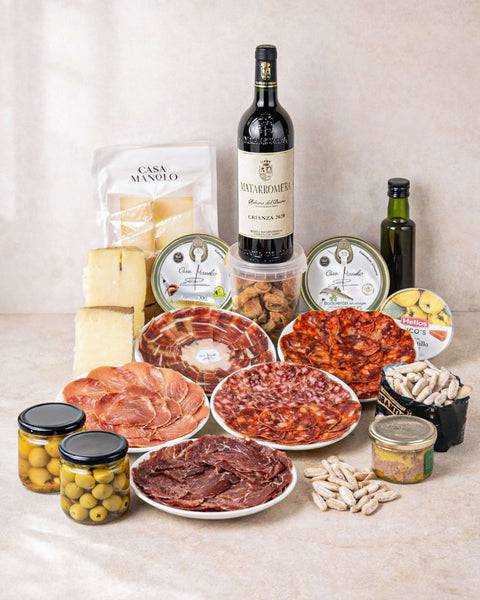
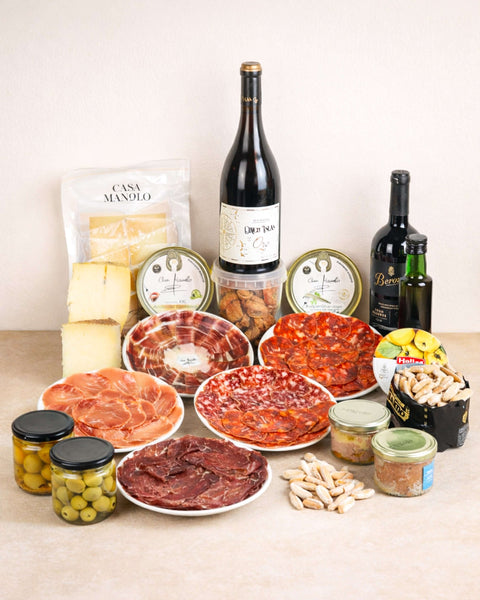
Prepare a labelled container, clean knife, serving plate and any separate accompaniments. Check the pack, cut only the amount needed and note when the serving piece left storage. Keep membrillo, olives and charcuterie in separate areas so their moisture and aromas do not cover the cheese. Return unused reserve cheese promptly according to its label.
After service, do not combine handled table pieces automatically with the untouched reserve. Consider how long they were out, what they contacted and what the product guidance says. When storage history or condition is uncertain, discard rather than trying to rescue the cheese. Good serving practice is partly about flavour, but it is also about maintaining a clear chain of handling.
Create a one-piece serving routine
Keep the main wedge labelled and stored as directed. Before serving, cut one smaller piece with a clean knife and return the reserve promptly. This avoids repeated warming and cooling of the whole wedge, protects the cut face and makes the amount on the board easier to control.
Write the cheese name on a small card if several wedges are open, together with the date the pack was opened. The card is not a substitute for the original label; it is a prompt that prevents anonymous pieces from being forgotten. If condition, aroma or storage history is uncertain, caution matters more than avoiding waste.
Cheese-storage questions
Can I leave cheese out all afternoon?
Do not use a blanket rule. Serve a portion and follow the pack’s time and storage guidance.
Why is the cut face dry?
Exposure to air can dry cheese. Protect the cut surface when storing.
Should the rind be removed before storage?
Keep the wedge intact and follow the product instructions; trim for serving only when appropriate.
The short answer
Keep the label, protect the cut surface, refrigerate as directed and bring only the serving portion towards its best eating temperature.