A jamón tasting flight works only when the comparison is fair. If one style is colder, thicker or covered in accompaniments, the format—not the jamón—will dominate what people notice.
Use three clearly labelled plates, similar slice counts and a mild-to-intense order. The point is not to declare a universal winner; it is to understand what changes between Cebo, Bellota and 100% Pata Negra products.
| Position | Style | What to note |
|---|---|---|
| First | Ibérico Cebo | Texture, savoury character and finish. |
| Second | Ibérico Bellota | Changes in richness and persistence. |
| Third | 100% Pata Negra | How the complete product name relates to the taste. |
On a small screen, swipe or scroll across to compare.
Control the variables
Use packs of the same stated weight where possible and plate them at the same time. Keep slice temperature, plate size and serving order consistent.
Do not add different garnishes to each plate. One shared basket of plain bread and water gives everyone the same reset.
Label before opening
Write the exact product names on small cards before the packs are on the table. Terms such as Bellota and 100% Ibérico describe different parts of the designation, so preserve the full wording.
Spanish law reserves “pata negra” for Bellota 100% Ibérico products. Use it precisely, not as a generic synonym for every dark-hoofed ham.
Thirty-second check
- Use the same serving conditions for all three.
- Label the full product names.
- Taste mild to intense with water between.
- Record texture, richness and finish before discussing price.
Build the three-style flight
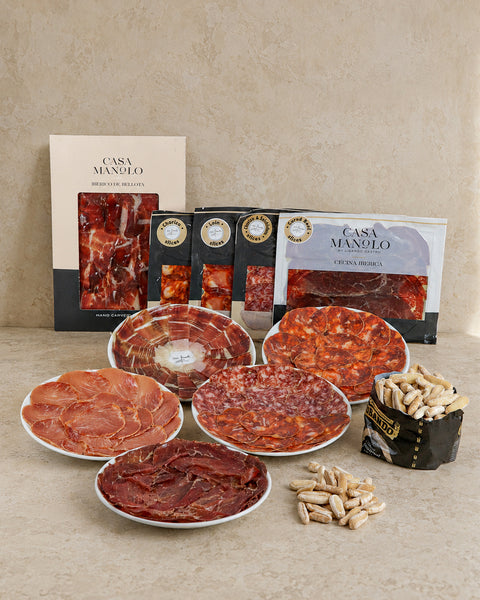
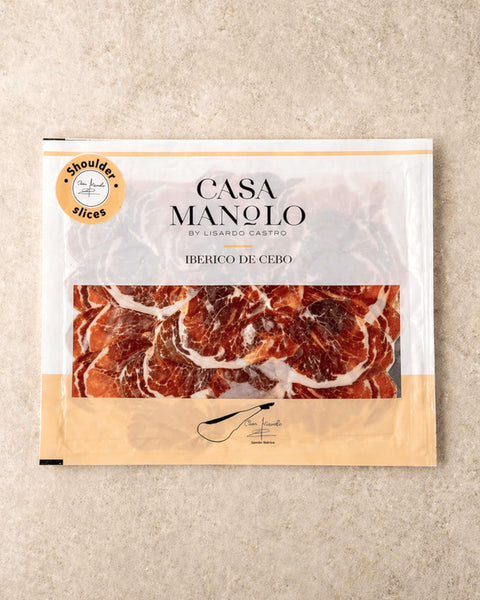
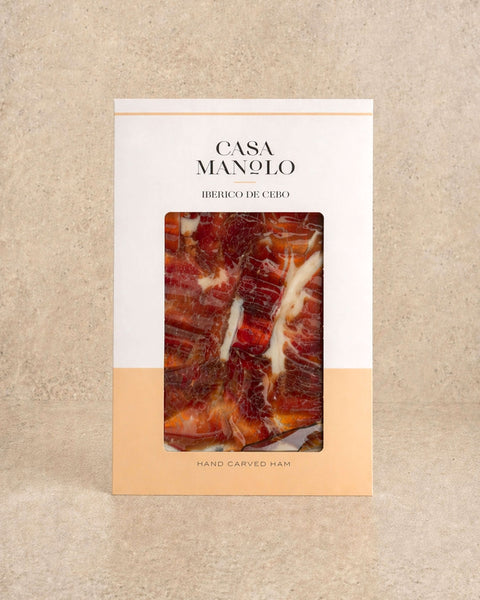
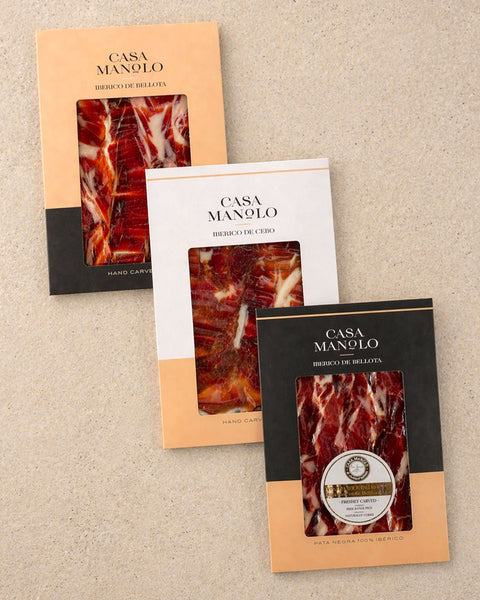
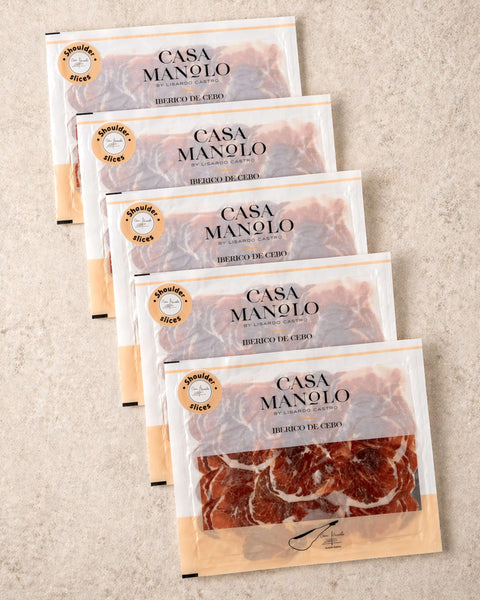
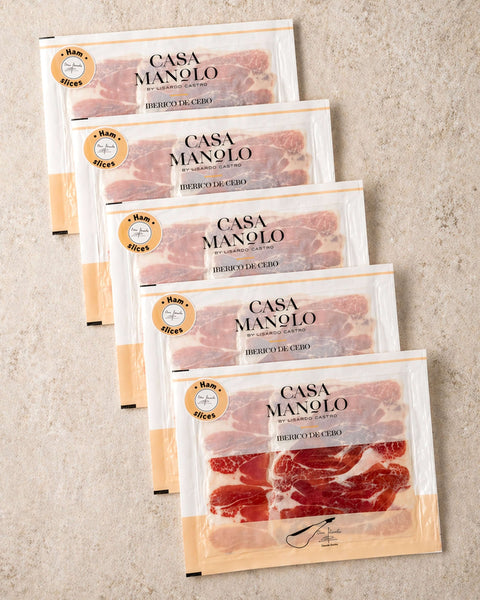
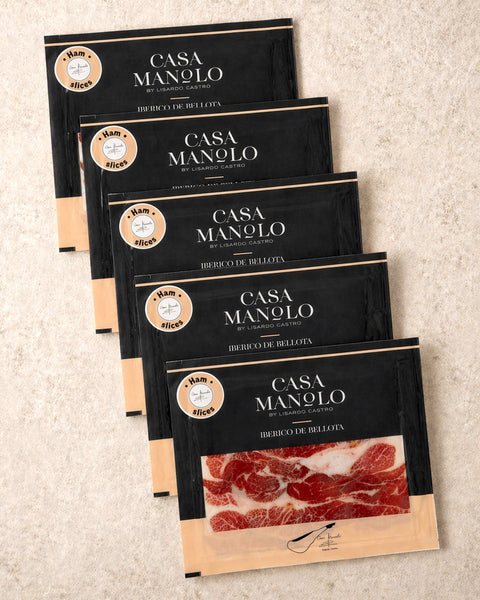
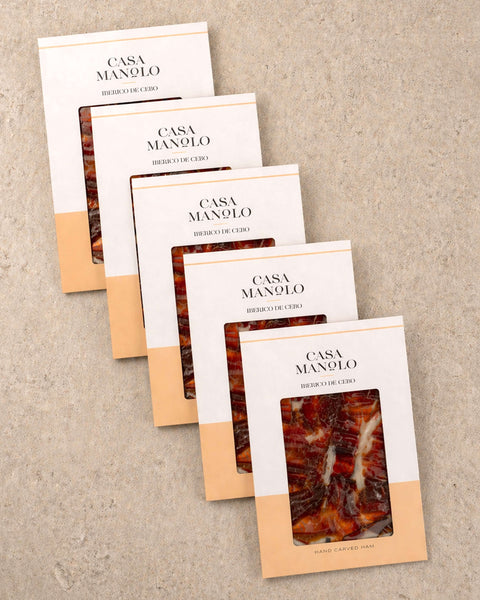
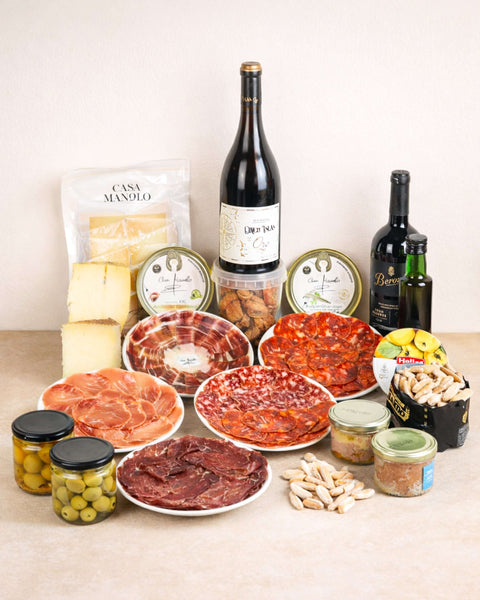
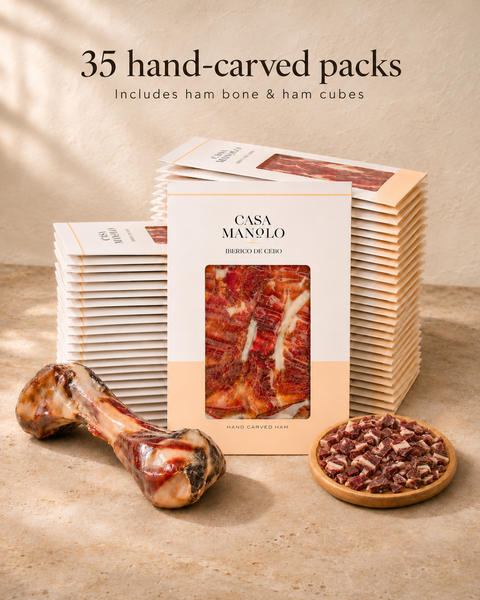
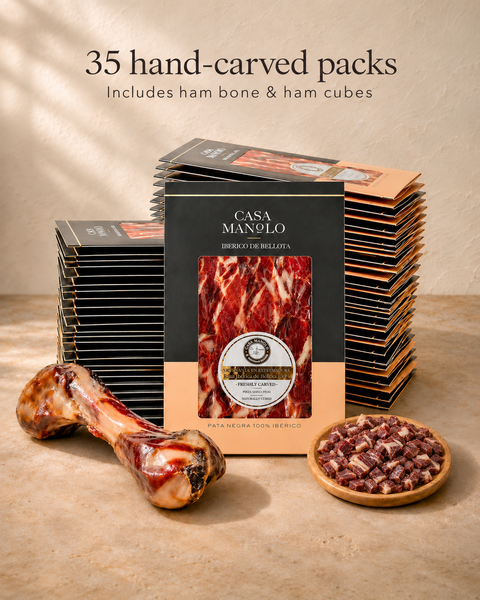
These three 100g packs keep format and portion comparable while the named jamón style changes.
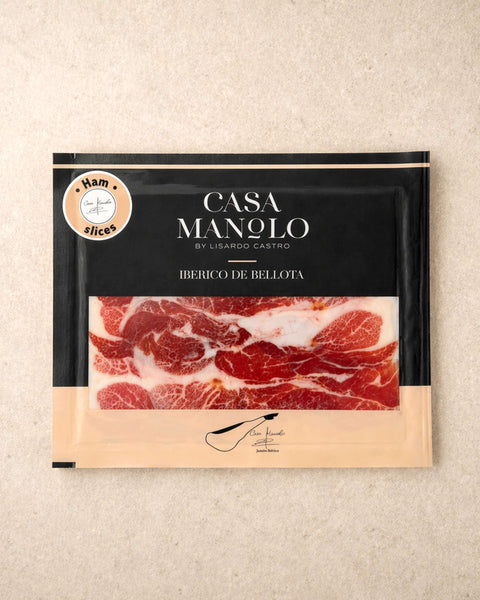
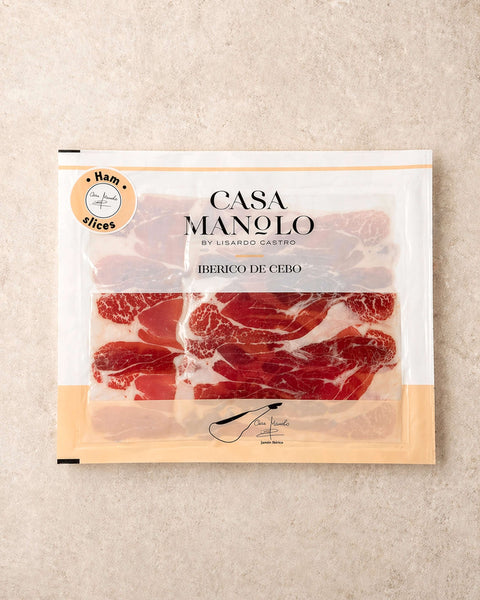
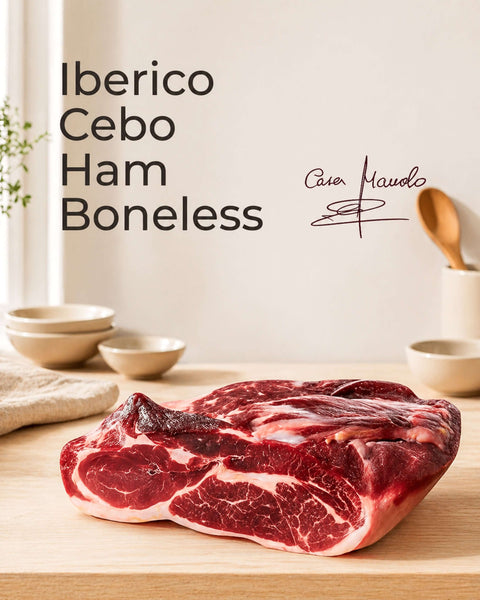
 Iberico Cebo Ham 100g
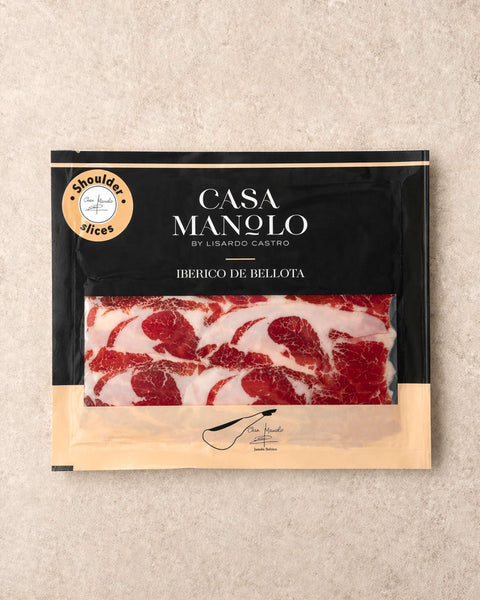
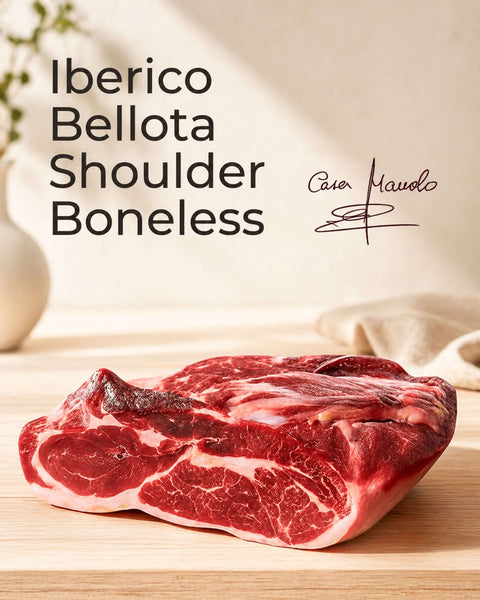
 Iberico Bellota Ham 100g
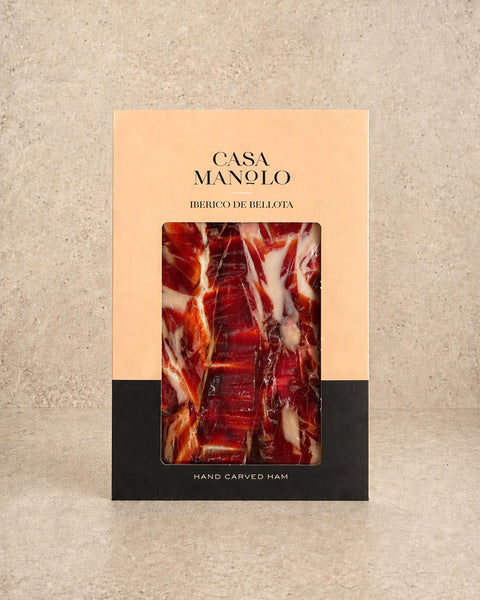
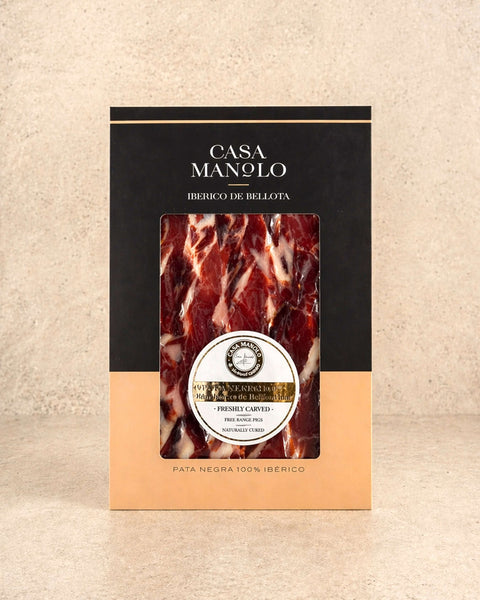
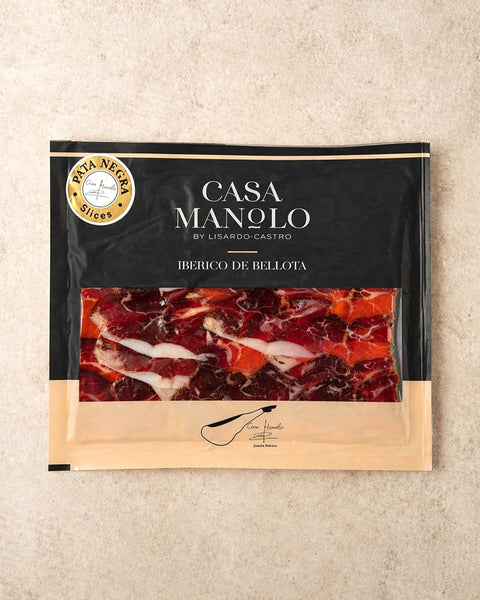
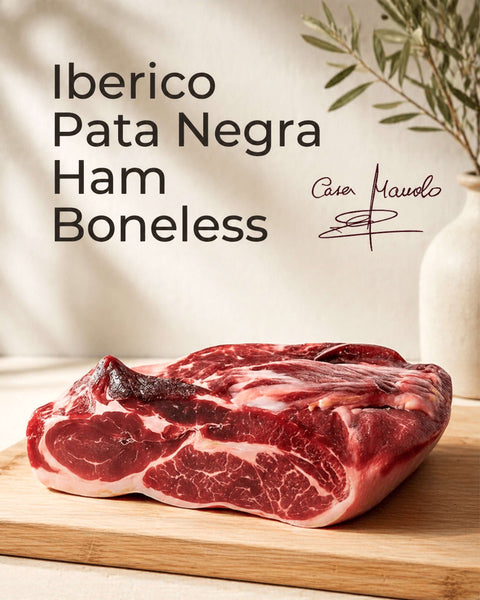
 100% Pata Negra Ham 100g
Taste in a steady sequence
Begin with the Cebo plate, move to Bellota and finish with 100% Pata Negra. Take one slice on its own, then a second with plain bread if desired.
Pause between plates. The goal is to notice texture, salt balance, aroma and length, not to race through three labels.
Use a short scorecard
Ask each guest for four notes: first aroma, texture, perceived richness and finish. A one-to-five score can help, but descriptive words usually create the better conversation.
Keep price out of the first round. Reveal it later if you want to discuss value; otherwise expectations may write the tasting notes before anyone has tasted.
Finish with the preferred pairing
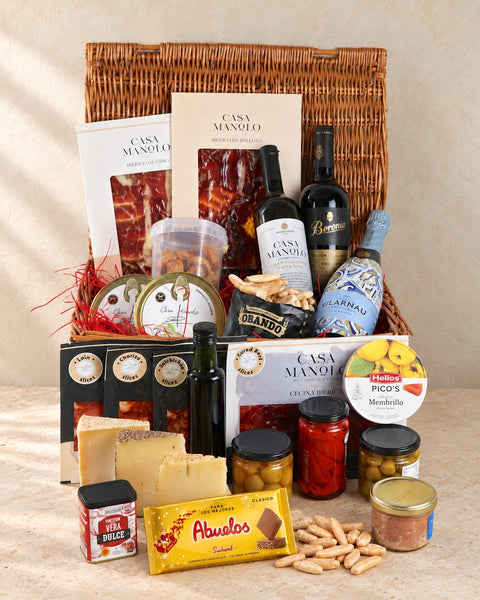
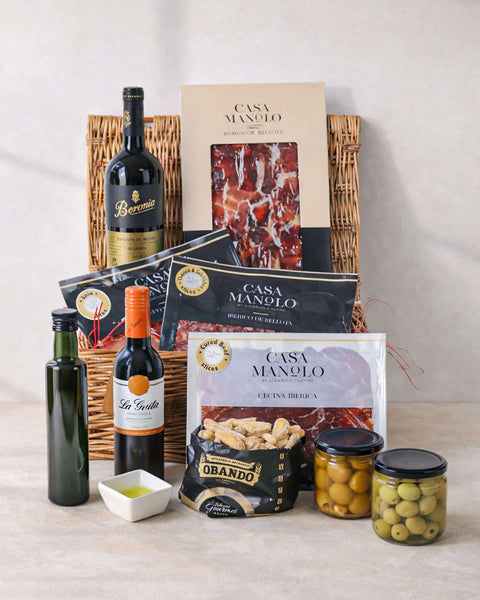
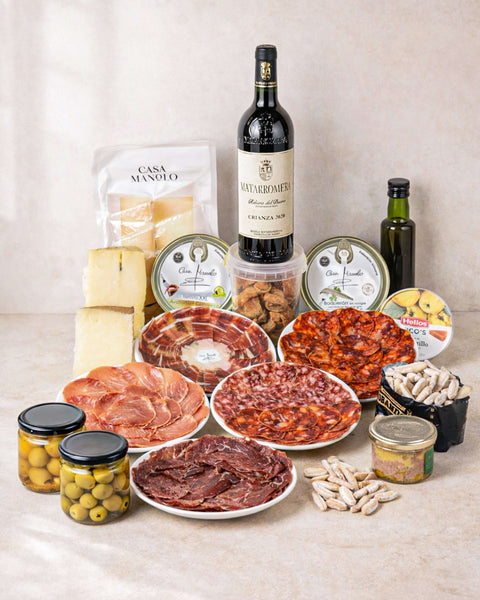
After the formal comparison, bring back the favourite plate with olives, picos or a suitable wine. This separates learning from relaxed eating.
Save a photo of the labels and notes. It gives you a usable buying record for the next board rather than a vague memory that one pack was “best”.
Use a reveal that separates taste from expectation
Number the three plates and keep the product sleeves out of sight for the first round. After everyone records texture, richness and finish, reveal the full names and discuss how the legal terms relate to what was tasted. This keeps brand and price expectations from leading the opening response.
For the second round, let each person choose a preferred accompaniment from plain bread, mild olives or no accompaniment. Note whether the favourite changes once the tasting becomes a real eating occasion. A technically interesting ham is not always the same product a guest would most enjoy on a relaxed board.
More Spanish food, served simply
Join Casa Manolo notes for practical serving guides, new articles and occasional offers.
Useful emails only. You can unsubscribe at any time.
Questions readers often ask
Does Pata Negra mean every Ibérico ham?
No. Spanish rules reserve the term for Bellota 100% Ibérico products.
Should guests know the labels?
A labelled tasting is educational; a blind first round can reduce expectation bias. Either works if conditions stay equal.
What should I serve between samples?
Water and plain bread are enough for a clean reset.
The short answer
A useful jamón flight controls temperature, thickness and accompaniments, then records what each guest actually notices before price enters the discussion.
Keep exploring
Source: Spanish Ibérico quality standard.