Oloroso can look like a dessert wine in the glass, yet a traditional dry Oloroso belongs firmly at the savoury table. Its deeper colour, fuller body and oxidative character make it useful with foods that would overwhelm a very light white wine.
The most important decisions are simple: confirm that the bottle is dry, serve it slightly chilled rather than warm, and give it food with enough depth to meet it. This guide turns those choices into a practical first bottle.
| Decision | Useful starting point | Why it matters |
|---|---|---|
| Temperature | 12–14°C | Cool enough for freshness, not so cold that aroma disappears. |
| Glass | A white-wine glass | Space helps the wine open without an oversized pour. |
| Food | Cured cheese, mushrooms or a rich stew | Deep savoury flavours can meet its weight. |
On a small screen, swipe or scroll across to compare.
Dry does not mean light
Oloroso is made by oxidative ageing, so air is part of its development rather than something the winemaker excludes. That route creates a darker colour and a broad, persistent style. It can still be dry: colour and sweetness are separate questions.
Read the product description and label instead of using colour as a shortcut. If a menu simply says “Oloroso”, ask whether it is dry or sweetened; the answer changes both the food and the moment in which you serve it.
Serve it slightly chilled
The official Sherry Wines guidance gives 12–14°C as the serving range for Oloroso. A short spell in the fridge is therefore useful, especially in a warm room, but an ice-cold glass will hide detail.
Pour a modest amount into a clean white-wine glass, return the bottle to a cool place and taste again after several minutes. The change in the glass is often more informative than chasing an exact thermometer reading.
Thirty-second check
- Confirm whether the bottle is dry.
- Chill towards 12–14°C.
- Use a clean white-wine glass and a modest pour.
- Choose one deep savoury pairing before adding extras.
Compare the sherry spectrum
These three bottles make a useful dry-light, dry-rich and sweet comparison without pretending they are interchangeable.
 Tio Pepe Fino Sherry
 Alfonso Oloroso Sherry
 Pedro Ximénez Sherry
Start with one savoury pairing
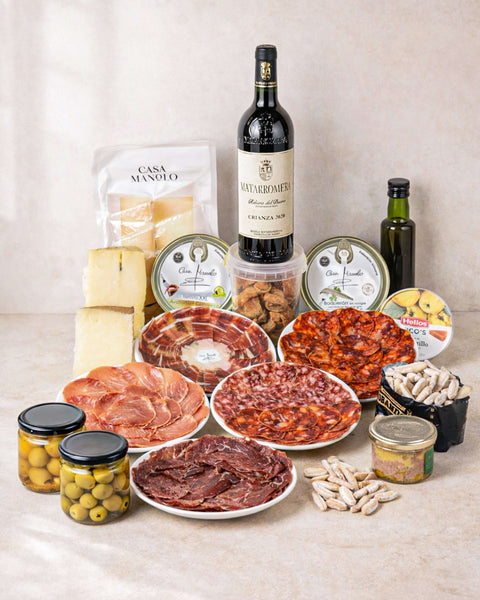
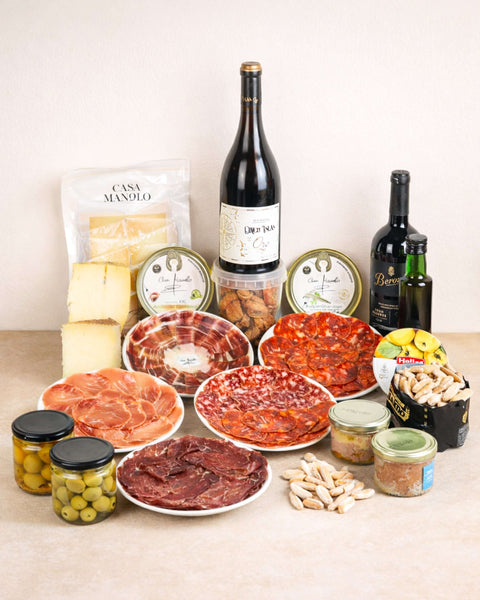
For a first comparison, put Oloroso beside one mature cheese, a mushroom dish or slow-cooked meat rather than a crowded board. These foods echo its depth and let you notice whether the finish feels balanced.
Salted almonds can work as a small opening bite, but very sharp pickles and sweet chutneys pull the wine in different directions. Add them later, once you understand the bottle on its own.
Use a three-glass comparison
If you have Fino and Pedro Ximénez available, pour small measures in the order Fino, Oloroso, PX. The progression from pale and dry through rich and dry to intensely sweet makes the categories easier to remember.
Keep the same glass shape and pour size for all three. Write one line about weight, sweetness and finish; a short note is more useful than trying to identify a long list of aromas.
Plan the place in the meal
Oloroso can bridge the gap between an aperitivo and the main plate. Serve it with the richer savoury course rather than automatically holding it for pudding.
Because it is a fortified wine, use smaller pours and provide water and food. Close the bottle promptly after serving and follow the producer’s storage guidance on the individual product page or label.
A useful first-bottle exercise
Pour one small glass at the recommended temperature and write down only three things: whether it feels dry, how broad the texture is and how long the savoury finish remains. Then taste it with a piece of mature cheese and repeat the same three notes. This isolates the effect of food without turning the evening into a formal examination.
On another occasion, use the same glass and serving temperature for Fino. The contrast between biologically aged Fino and oxidatively aged Oloroso will explain more than colour alone. Keep the measures small, serve food and water, and let the comparison unfold slowly.
More Spanish food, served simply
Join Casa Manolo notes for practical serving guides, new articles and occasional offers.
Useful emails only. You can unsubscribe at any time.
Questions readers often ask
Is Oloroso sweet?
Not necessarily. Traditional Oloroso can be dry, so check the exact bottle rather than judging by colour alone.
Can I serve it with cheese?
Yes. A well-cured cheese is a useful starting point because it has enough intensity for the wine.
Should Oloroso be served at room temperature?
The official serving guidance is slightly chilled, around 12–14°C.
The short answer
Treat dry Oloroso as a full, savoury wine: serve it slightly chilled, pour modestly and pair it with food that has real depth.