Crianza, Reserva and Gran Reserva are not simply three ways of saying that a Rioja is expensive, serious or “better”. They are regulated ageing terms. Each tells you that the wine has spent a minimum amount of time developing before release, including specified time in oak for the classic categories.
That information is useful, but it does not choose the bottle for you. A lively Crianza may suit a plate of chorizo better than a more mature Gran Reserva, while a long-cooked dish can welcome the extra development of a Reserva. The right place to begin is the label, followed by the food and occasion.
| Label term | Minimum ageing for red Rioja | What that helps you anticipate |
|---|---|---|
| Crianza | At least two years in total, including at least one year in a 225-litre oak barrel. | A meeting point between fruit and the aromas or texture contributed by oak ageing. |
| Reserva | At least three years in barrel and bottle, with at least one year in oak and at least six months in bottle. | More time for fruit, oak and bottle-ageing character to come together. |
| Gran Reserva | At least five years in total, including at least two years in oak and at least two years in bottle. | A more developed style in which mature aromas and texture can become central. |
These are the official minimums for red Rioja. White and rosé Rioja use different minimum periods. On a small screen, swipe or scroll across to compare.
What the ageing word guarantees—and what it does not
The term guarantees a defined minimum ageing route within DOCa Rioja. For Crianza, Reserva and Gran Reserva reds, oak ageing takes place in 225-litre barrels, and Reserva and Gran Reserva also have explicit minimum bottle-ageing periods.
It does not guarantee that every Crianza tastes the same or that every Gran Reserva is automatically the best bottle for every person. Grape blend, vineyard, vintage, winemaking choices, barrel history and the producer’s house style all matter. A category is a useful frame, not a tasting note.
It also helps to separate age from heaviness. Longer ageing can bring savoury, spicy and developed aromas, but the finished wine can still feel elegant rather than powerful. Read the producer’s description and think about the dish rather than treating the hierarchy as a simple ladder.
Crianza: when you want fruit and oak in conversation
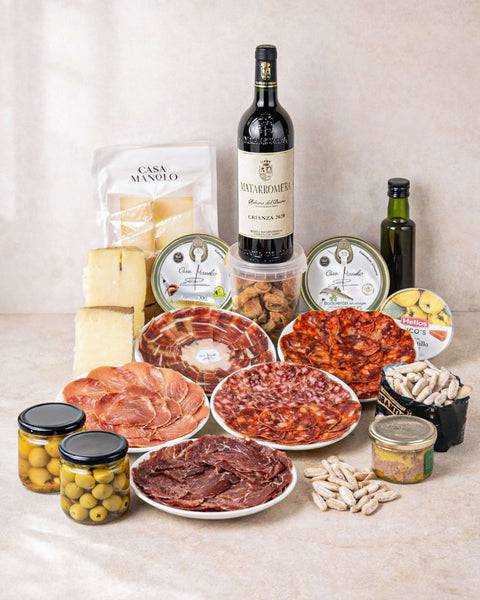
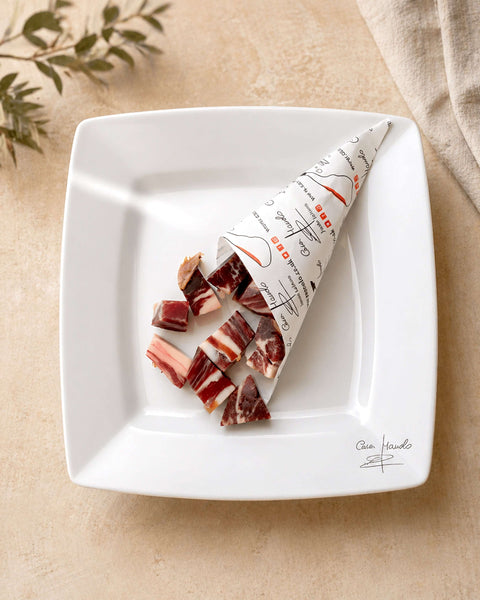
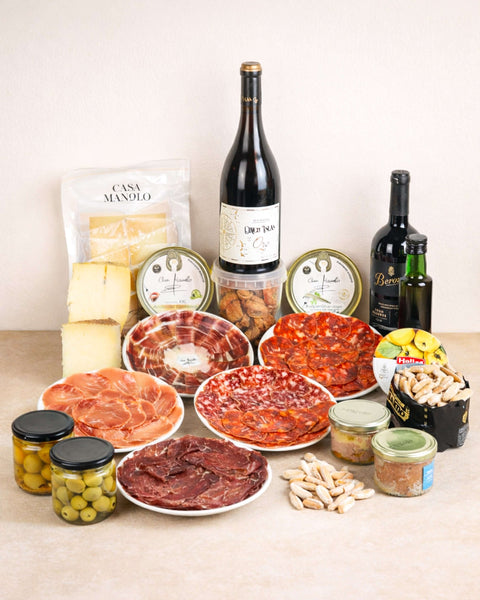
Crianza is often the easiest starting point for an informal Rioja night. The required ageing gives oak time to influence the wine while leaving space for fruit and freshness. That balance can work well with cured chorizo, grilled pork, tomato-rich dishes or a mixed tapas table where the wine needs to move between several flavours.
Do not assume that “younger” means thin or simple. A well-made Crianza can have enough structure for a meal while remaining approachable without a long ceremony. Open it, taste it and decide whether a little air helps; there is no need to decant automatically because of the word on the label.
Reserva: a useful middle ground for a slower meal
Reserva has a longer minimum journey through barrel and bottle. In practical terms, that gives the components more time to integrate before release. It is a sensible category to explore when dinner includes roast meat, mushrooms, mature cheese or a richer charcuterie board.
The extra ageing does not mean the wine must wait for a formal occasion. It can simply mean that the bottle deserves a calmer serving moment: proper glasses, enough time to taste the first pour and food with enough depth to meet it.
Gran Reserva: choose it for development, not status
Gran Reserva red Rioja has the longest minimum ageing of the three classic terms: five years in total, with at least two years in oak and two in bottle. The reason to choose it is an interest in mature character—the way fruit, oak and time have changed together—not the idea that the most senior wording must win.
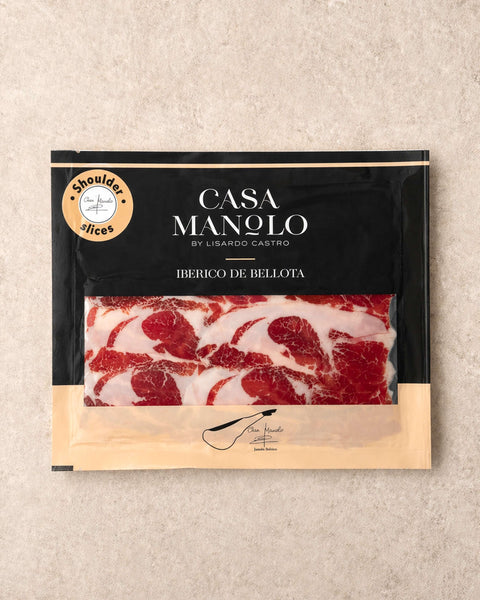
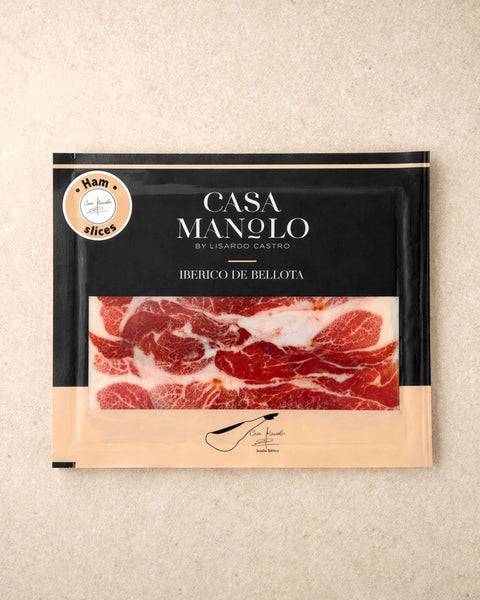
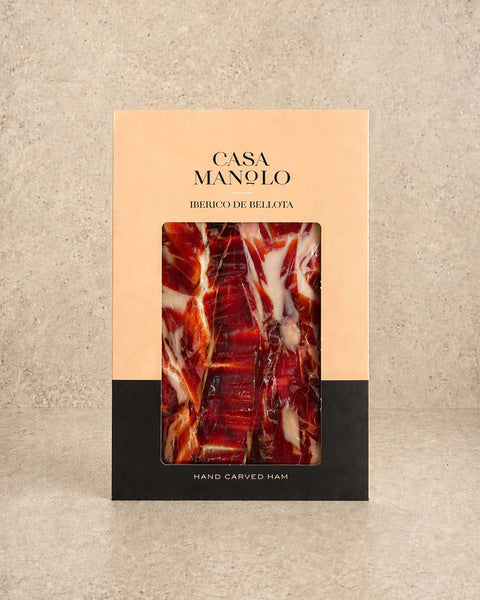
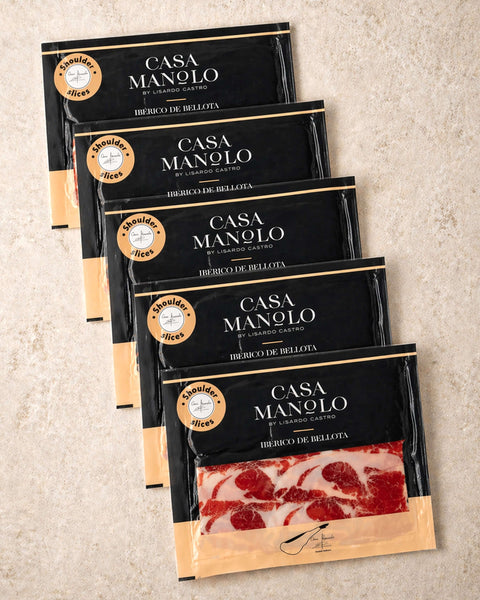
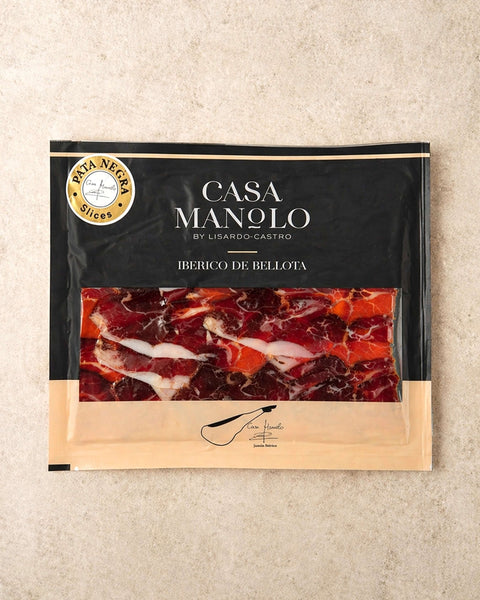
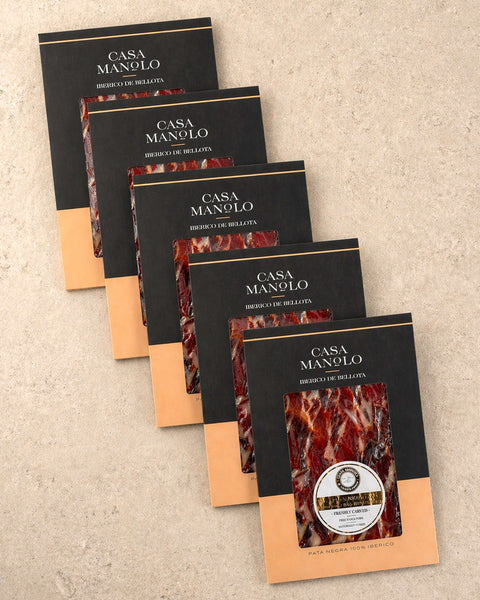
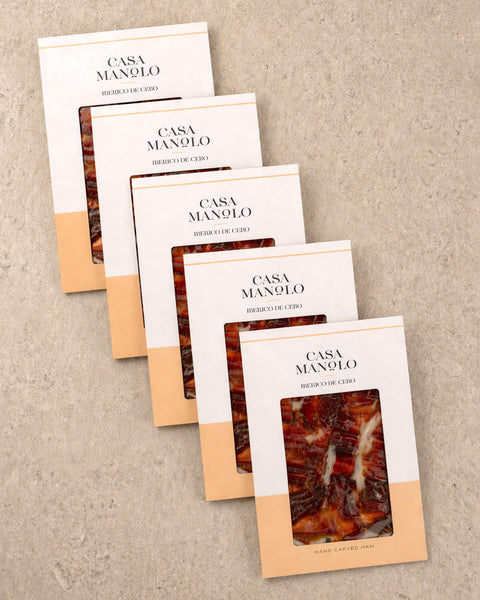
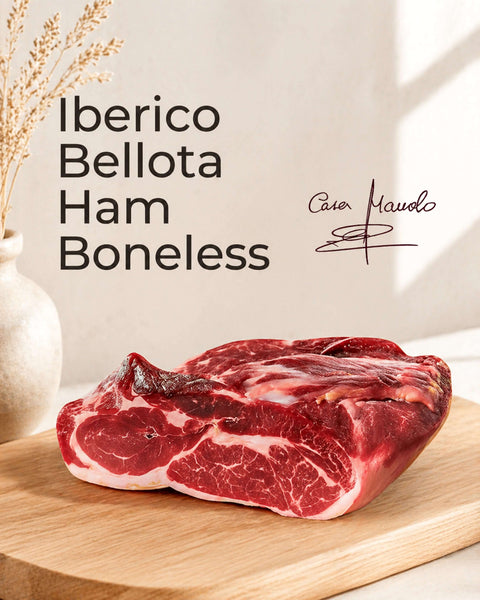
Serve it beside a focused plate rather than ten competing flavours. Jamón Ibérico, roast lamb, a restrained mushroom dish or mature cheese can give the wine space. Pour a small first glass and notice how it changes rather than rushing to fill every glass to the same level.
Thirty-second label check
- Does the front or back label say Crianza, Reserva or Gran Reserva?
- Are you looking at red, white or rosé Rioja? Their minimum ageing rules are not identical.
- What does the producer say about grape varieties and style?
- Will the wine suit the weight of the food you are serving?
- Are you choosing longer ageing because you enjoy mature character—not simply because it sounds more prestigious?
Compare the three styles
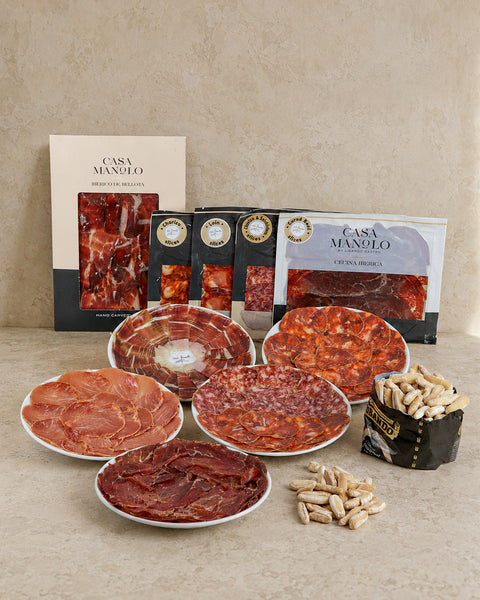
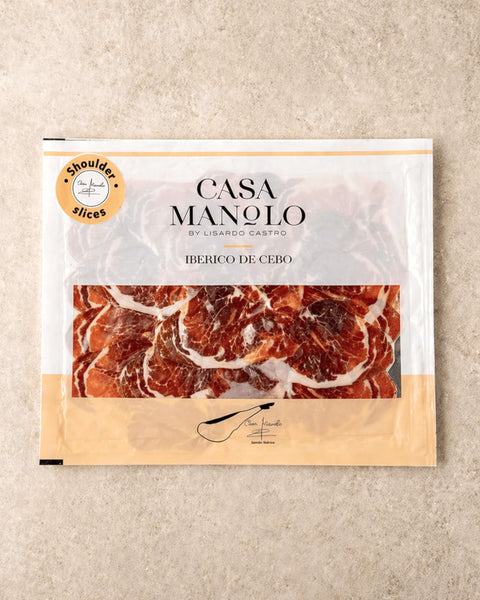
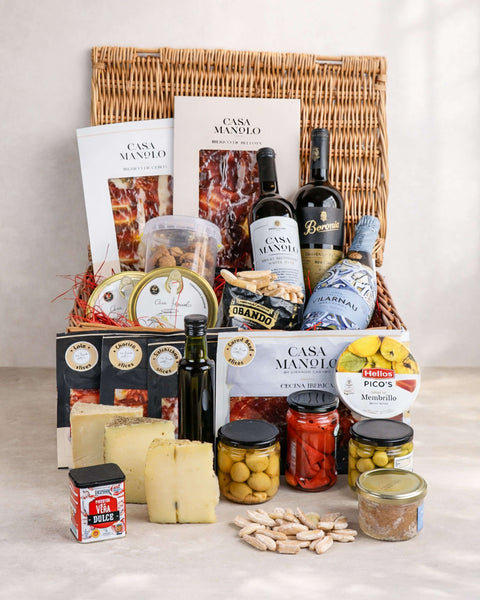
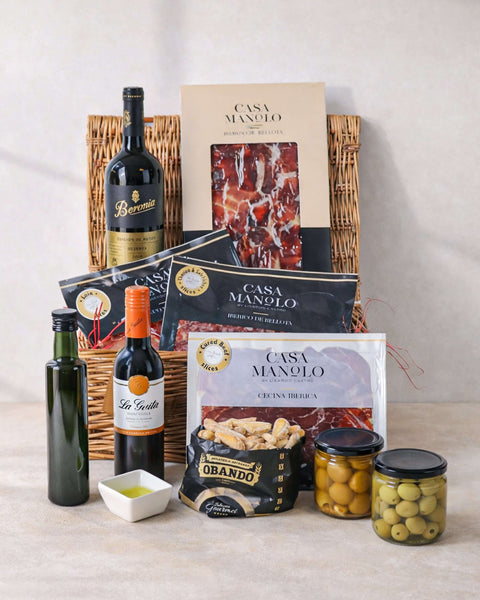
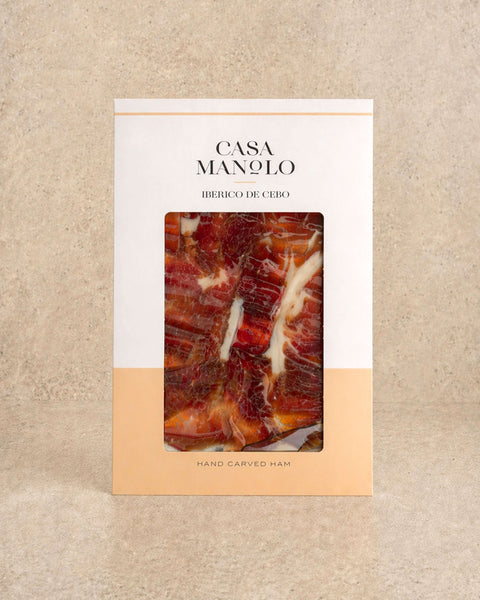
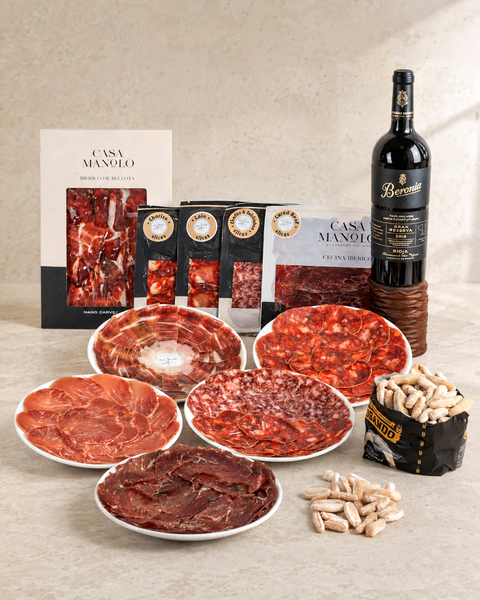
A side-by-side tasting makes the label words tangible. Keep the food constant—picos, sliced Ibérico or a piece of mature Manchego—then notice how fruit, oak and developed aromas shift from bottle to bottle.
 Beronia Rioja Crianza
 Beronia Rioja Reserva
 Beronia Rioja Gran Reserva
Serve Rioja without hiding it
A very warm red can feel heavy and alcoholic, while an over-chilled one can seem closed. Aim for a cool room-temperature impression rather than placing the bottle beside a radiator or serving it straight from a cold fridge. If the room is warm, a short, gentle chill can be useful.
Use a clean glass with enough bowl to swirl a small pour. Taste before deciding about decanting. A young, structured wine may benefit from air; an older bottle may be more delicate. The label category alone cannot make that decision for you.
Choose your Rioja: a quick test
You are serving chorizo, picos and several informal tapas. Where should you begin?
A Crianza is a logical first comparison because it can combine fruit, freshness and oak without demanding that every plate be rich.
You enjoy savoury, developed aromas. Does that point to Gran Reserva?
It can. Gran Reserva guarantees the longest minimum ageing of these categories, but read the producer’s description because style still varies between wines.
Is Reserva always better than Crianza?
No. Reserva guarantees a different minimum ageing period, not universal superiority. Choose according to the flavour you enjoy, the producer and the food.
The short answer
For red Rioja, Crianza means at least two years of ageing with one in oak; Reserva means at least three years across barrel and bottle, including one in oak and six months in bottle; Gran Reserva means at least five years, including two in oak and two in bottle.
Use those words to understand how the wine was developed, then choose for taste and occasion. Crianza can bring energetic balance, Reserva more integration and Gran Reserva mature complexity—but the producer and bottle still have the final word.
Keep exploring
- Spanish Wine Pairings: What to Drink with Jamón Ibérico, Manchego and Tapas
- Which Spanish Wine Should You Buy?
- Explore Spanish wine and sherry
Source: Consejo Regulador DOCa Rioja classification guidance.