Rioja and Ribera del Duero both make celebrated Tempranillo-led reds, but region name alone cannot choose dinner.
Compare producer, ageing, structure and food rather than relying on a simple light-versus-heavy stereotype.
| Menu | Starting point | Why |
|---|---|---|
| Mixed tapas | Rioja Crianza | Flexible fruit and oak. |
| Roast lamb | Structured Ribera | Depth for the main dish. |
| Mature cheese | Reserva from either | Developed savoury character. |
On a small screen, swipe or scroll across to compare.
Read the exact bottle
Ageing term and producer matter within both regions.
Region is only the first layer. Producer, vintage, grape composition and ageing indication can create major differences within both Rioja and Ribera del Duero. Compare the actual bottles on the table, not an imagined average of two famous names, and read regulated terms in the context of each appellation.
Match intensity
Delicate tapas need freshness; roast dishes can meet more structure.
Use the menu's strongest structural element as the guide. Delicate charcuterie may favour freshness and moderate tannin; roast meat can absorb more structure; mature cheese adds salt and savoury intensity. Sweet sauce and chilli complicate dry red wine, so taste them together before committing the whole dish.
Red-wine decision
- Menu weight.
- Producer.
- Vintage.
- Ageing term.
- Serving temperature.
Compare Rioja and Ribera del Duero
Start with a Rioja Crianza and two Ribera del Duero bottles, then compare them with the same food and glassware.
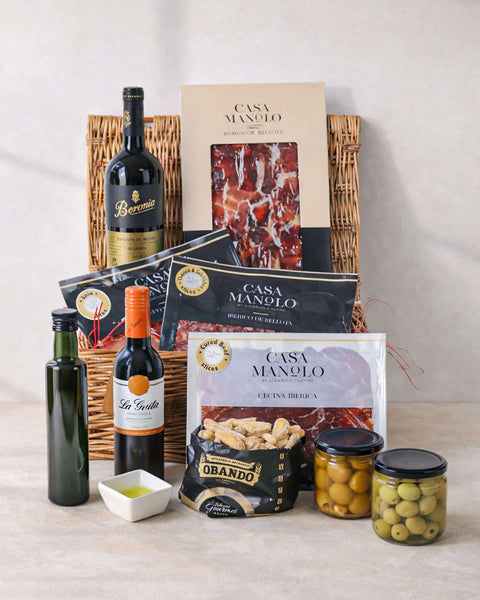
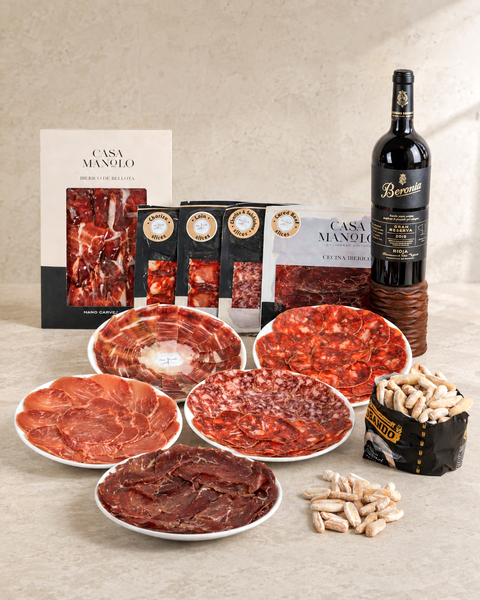
 Beronia Rioja Crianza
 Matarromera, Crianza (Ribera del Duero)
 Pago de los Capellanes Ribera del Duero
Taste side by side
Use identical glasses and food.
Pour equal amounts into identical glasses and keep bottle temperatures close. Begin with plain bread, then use the same protein or cheese bite for each wine. If one bottle has had much more air or is served warmer, the comparison says as much about service as region.
A menu-first decision tree
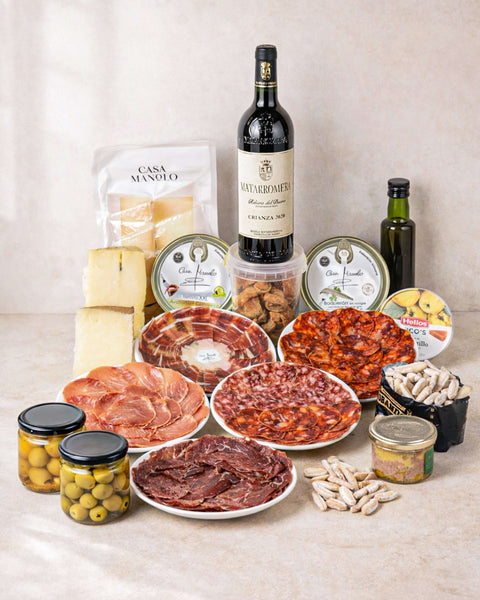
For mixed cold tapas, start by seeking freshness, balanced oak and tannin that does not dominate. For roasted or slow-cooked food, consider a more structured bottle. For a cheese-led meal, match intensity and maturity rather than region alone. Then choose the producer, vintage and ageing style that meet that role.
If possible, taste blind with the final dish and ask which glass you want to return to. Reveal the labels only afterwards. Write down the exact bottle and why it worked: fruit, tannin, freshness or developed savoury character. That note is far more reusable than concluding that one region always wins.
What to do when the menu is mixed
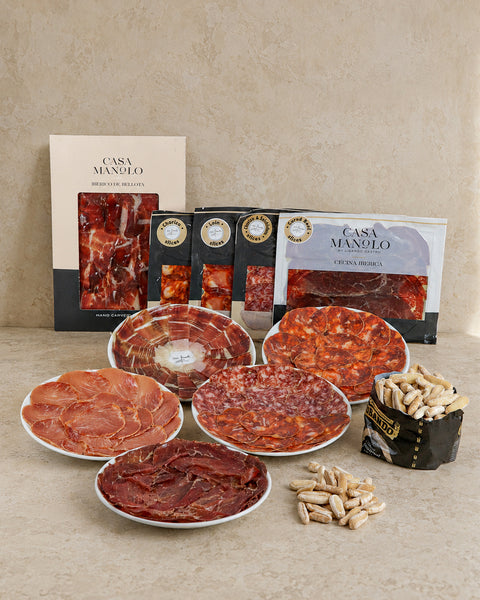
If the table includes jamón, peppers, roast meat and cheese, identify the dish people will eat most rather than asking one wine to be perfect with every bite. Choose a balanced bottle for that centre, then keep sweet sauces, chilli and sharp vinegar optional so guests can protect the pairing.
A second bottle should add a real alternative, such as a fresher style before the roast, not merely another region name. Open one first, observe the table and bring the second only if it improves the progression. This keeps the comparison purposeful and avoids unnecessary open wine.
Compare equivalent bottles before choosing a region
A fair tasting matches bottles as closely as practical: similar ageing category, price level and intended occasion. If one is a fresh young red and the other a mature Reserva, the result says more about style than region. Read the exact labels and producer notes before making the comparison.
Begin with bread, then add the food that will define the meal. Jamón and mixed tapas reward freshness; roast meat can welcome more structure; mature cheese may suit developed savoury character. Choose the bottle that supports the menu, not the region with the louder reputation.
After the comparison, cover the labels and ask which glass you would finish with the actual dish. This removes prestige from the decision and reveals whether the tannin, oak and fruit suit the food. Write down the producer and vintage; region alone is not enough to recreate the result.
Region questions
Which is better?
Neither universally.
Same grape?
Tempranillo is central to both, under local names.
Decant both?
Taste first.
The short answer
Choose the specific bottle for the menu; use region and ageing as context, not shortcuts.