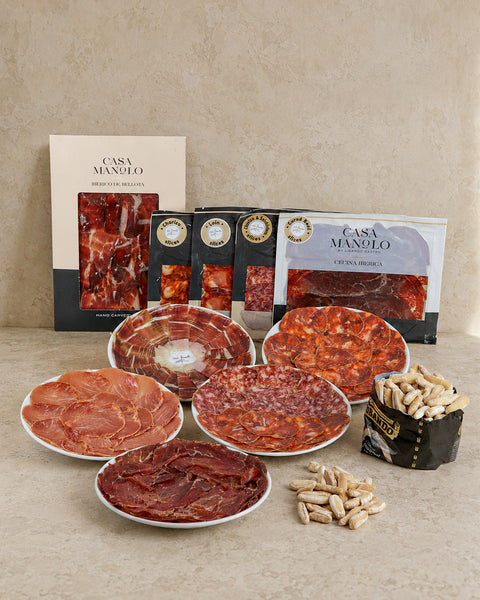
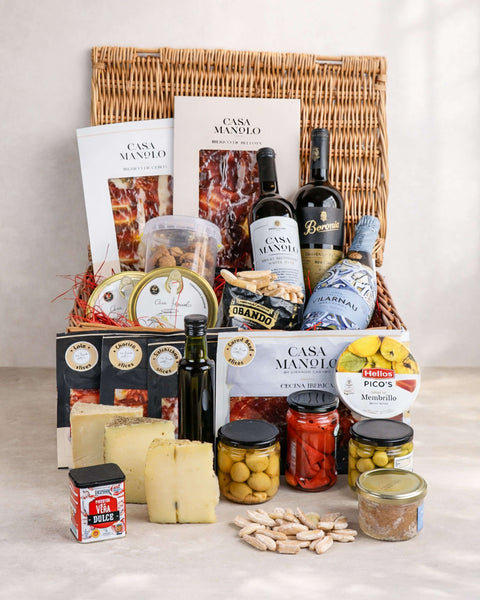
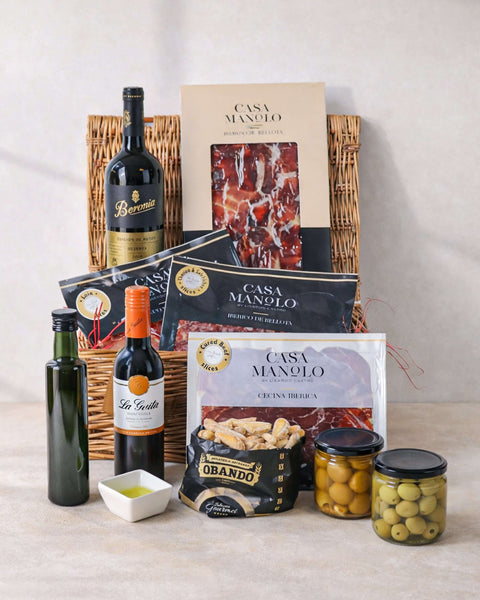
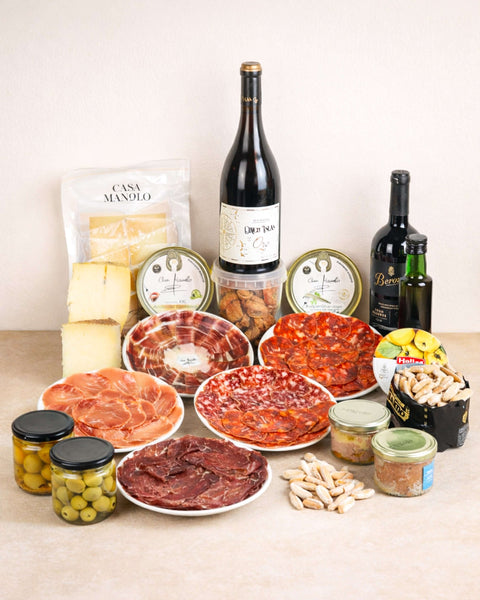
Aperitivo is not a miniature dinner. It is the pause before one: a drink, two or three small things to eat and enough appetite left for whatever follows.
The best version is mostly prepared before anyone arrives. One briny bowl, one crisp bite and one richer element are plenty.
| Element | Example | Role |
|---|---|---|
| Briny | Manzanilla olives | Wakes up the palate. |
| Crisp | Picos or almonds | Adds texture without preparation. |
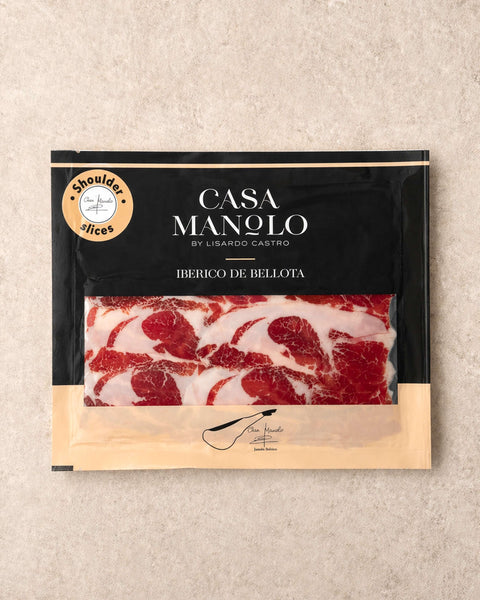
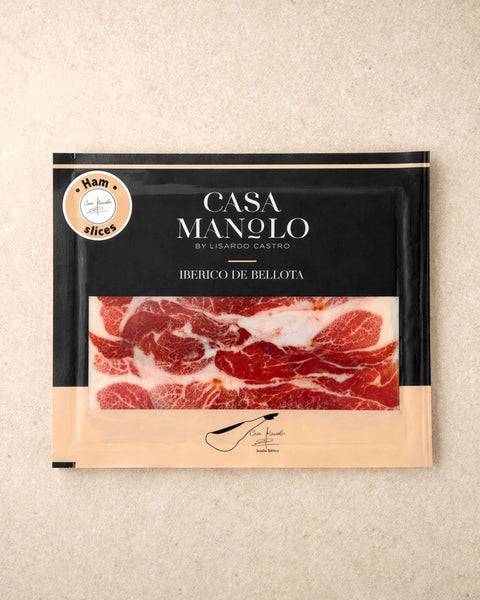
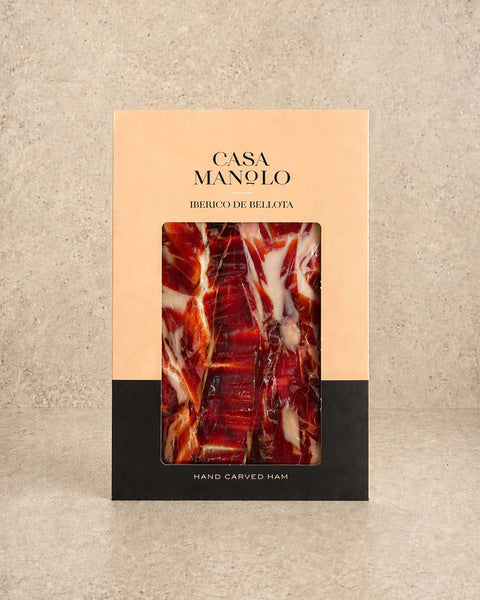
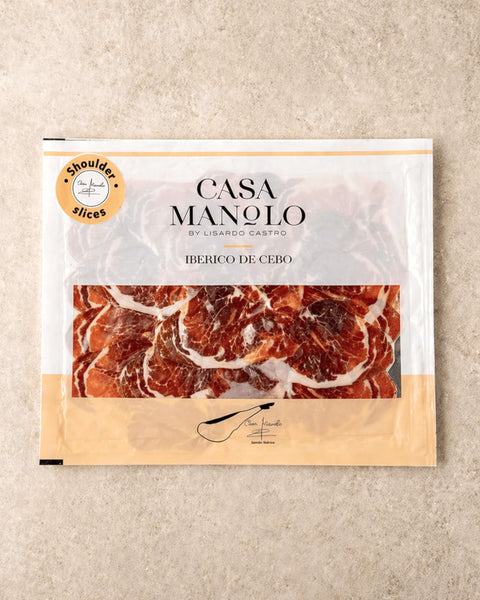
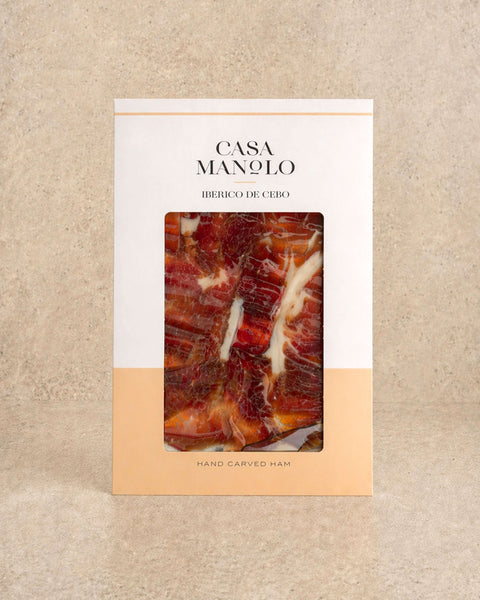
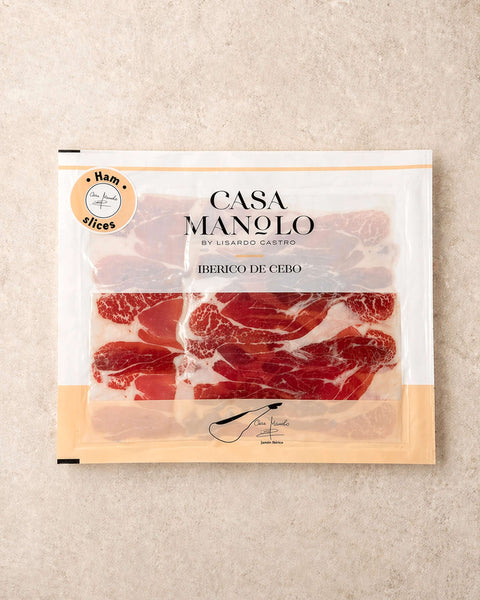
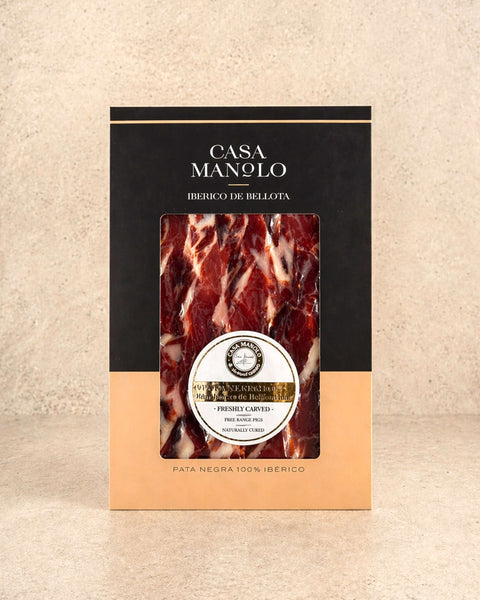
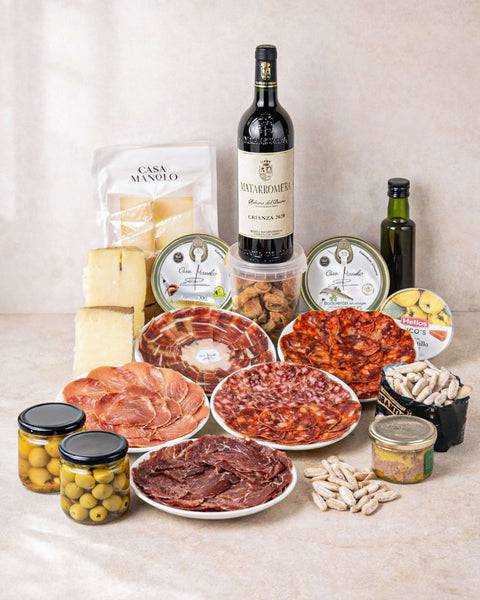
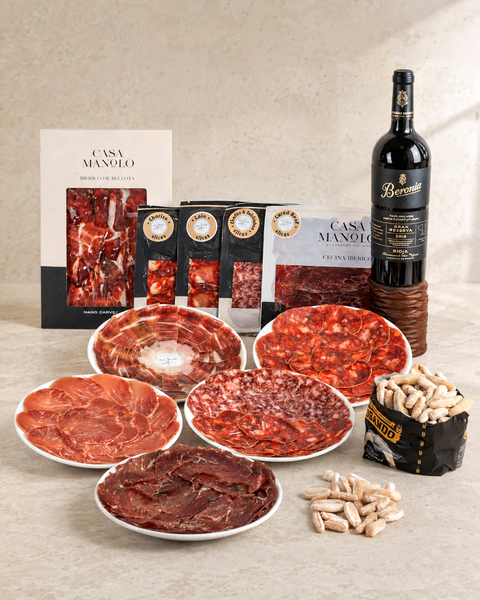
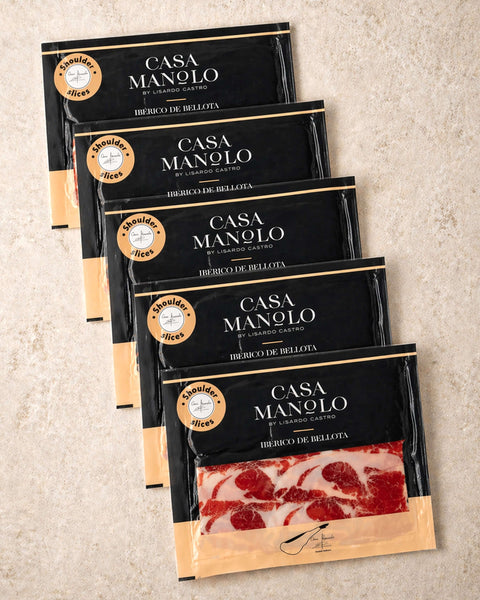
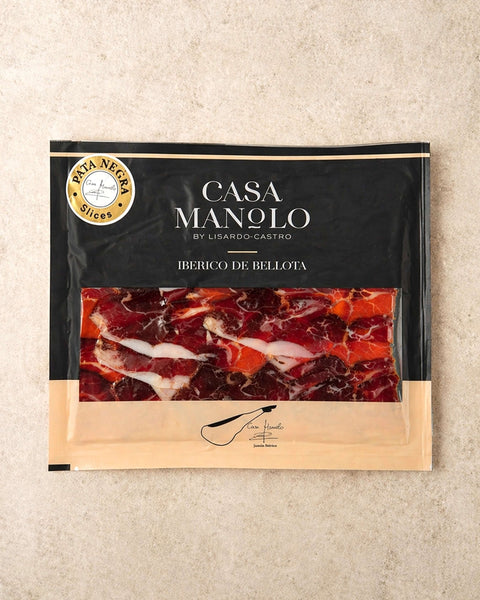
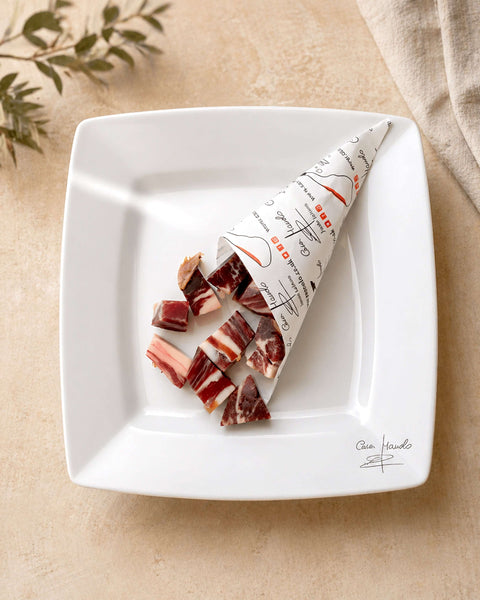
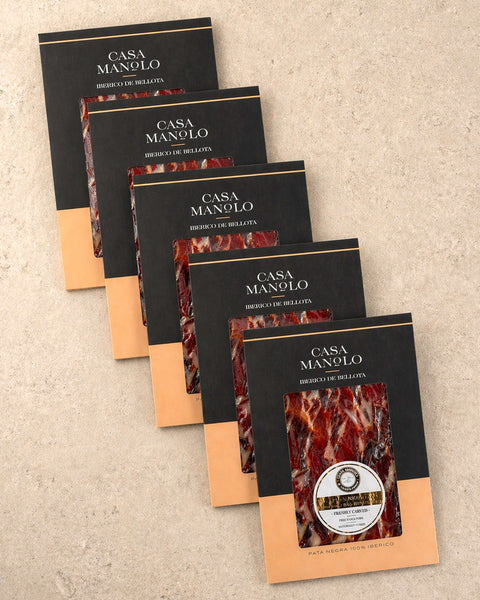
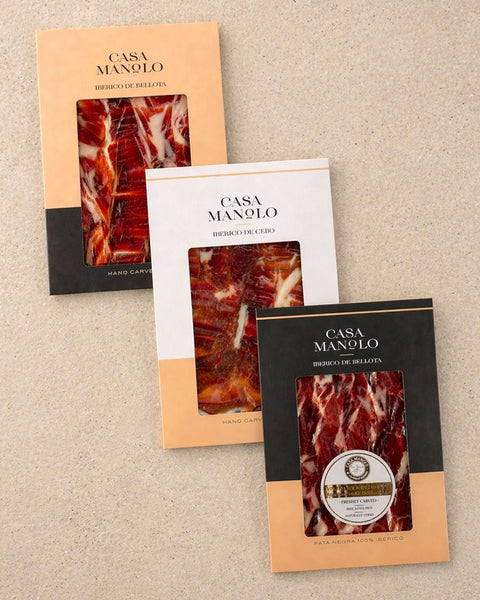
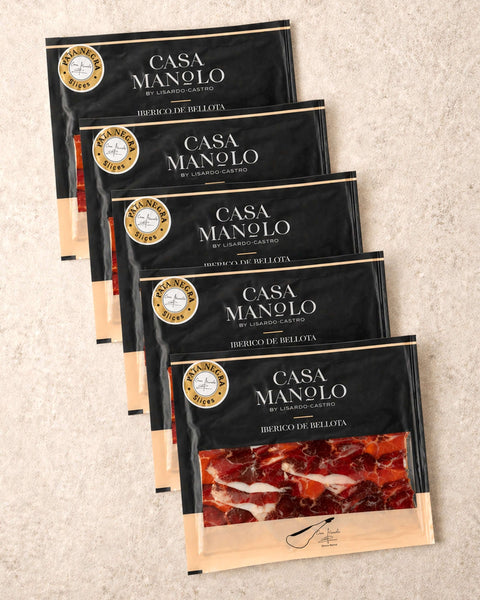
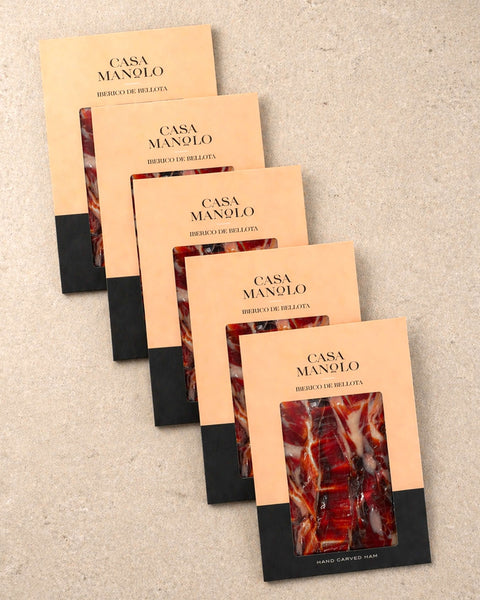
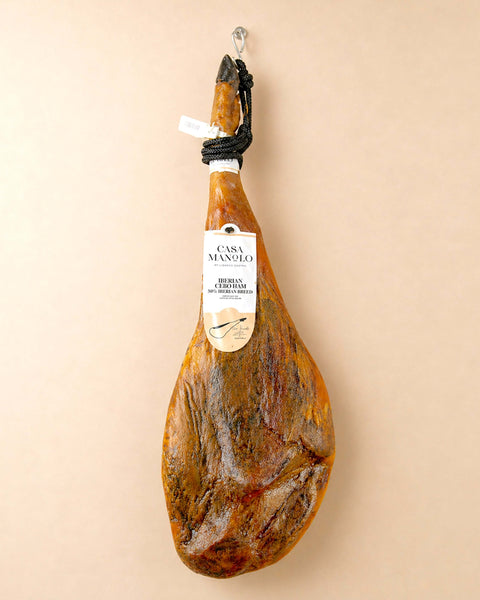
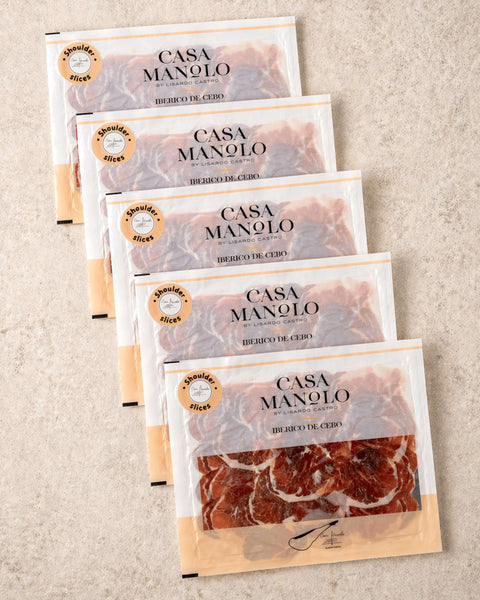
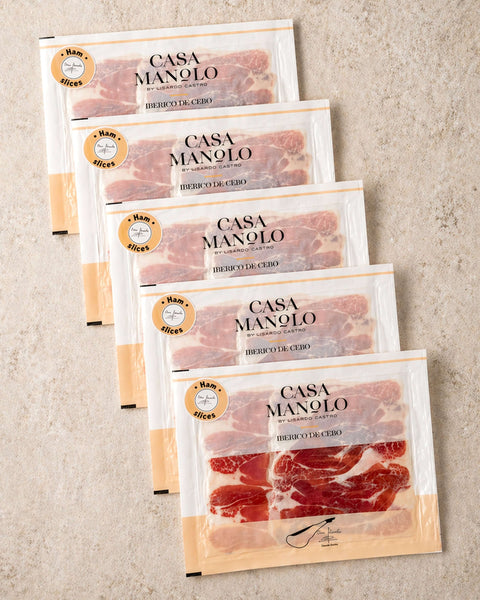
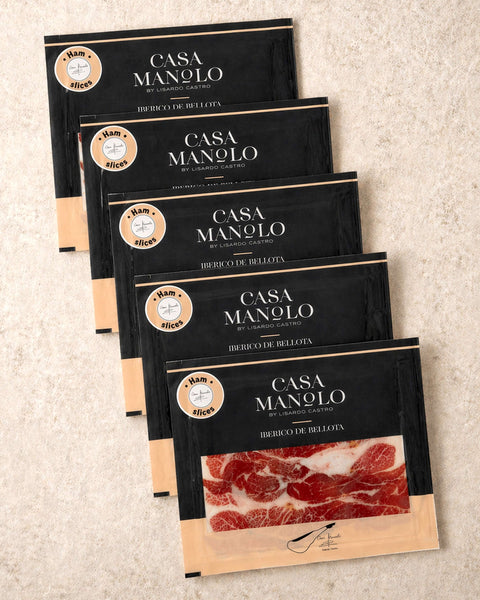
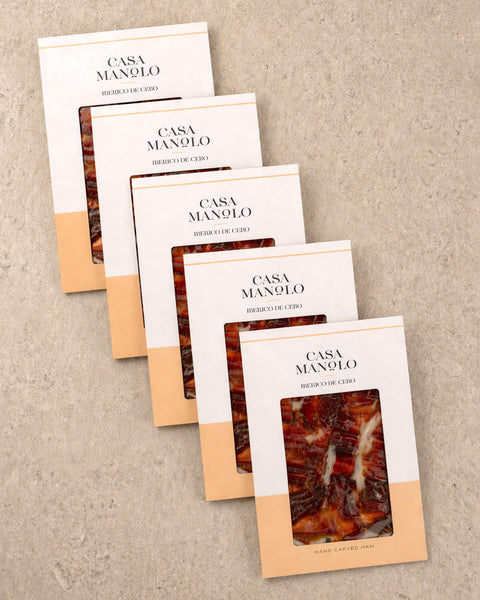
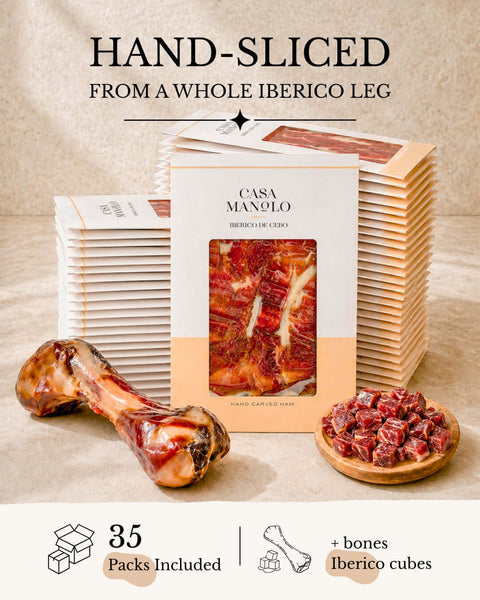
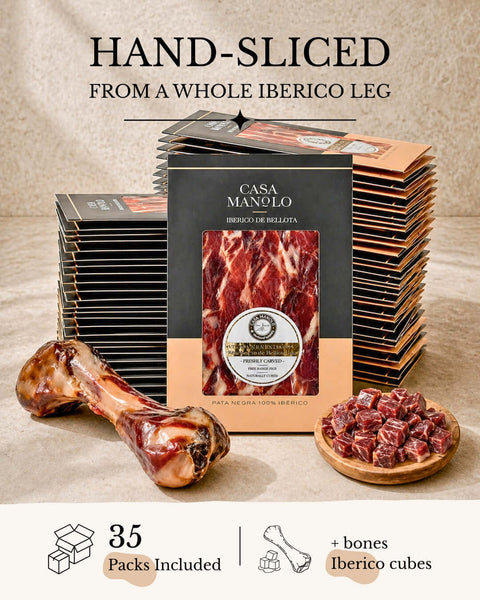
| Savoury | Jamón, anchovies or cheese | Gives the table a clear centre. |
On a small screen, swipe or scroll across to compare.
Choose the drink first
Fino, Manzanilla, cava, a cold lager or sparkling water can all work. Pick one direction so the food feels connected rather than random.
Let the drink set the weight of the food. A dry sherry can handle olives and anchovies; cava suits crisp or fried bites; sparkling water with citrus keeps the table light. Offer a non-alcoholic option with equal care, in a proper glass with ice or garnish if appropriate, rather than treating it as an afterthought.
Plate small quantities
Use the smallest suitable bowls and leave room between them. Refill once if needed; an aperitivo should invite, not overwhelm.
Small bowls are not only decorative: they protect crunch, keep brine contained and make empty dishes easy to replace. Use a separate utensil for each wet item and give discarded stones or picks their own dish. The table should be easy to use without guests reaching across open tins or dripping spoons.
Ten-minute aperitivo plan
- Chill the chosen drink.
- Set one bowl for olives.
- Add one crisp snack.
- Choose one savoury centrepiece.
- Put water on the table.
A simple aperitivo trio
Olives, almonds and dry sherry create three different sensations without a crowded spread.
 Pitted Manzanilla Olives
 Fried Marcona Almonds with Salt & Olive Oil
 Manzanilla La Guita Sherry (37.5cl)
Prepare one thing, open two
If you want a homemade touch, make tomato toast or warm almonds. Let the other elements come from the pantry.
Choose one fresh action that adds aroma or temperature: toast bread, warm nuts gently according to the product guidance, or cut tomato just before serving. Everything else can be opened and plated well. This gives the hour a sense of occasion without turning it into a second cooking session.
Know when to stop
Clear the glasses and small plates before the main meal. The change of pace is part of the pleasure.
An aperitivo works best when it has a boundary. Put reserve food away, offer a final small pour or water, and clear the salty snacks before dinner. If there is no later meal, deliberately expand the menu with a substantial plate instead of allowing an accidental succession of nibbles to replace supper.
A balanced aperitivo formula
Use four roles: one briny item, one crisp item, one savoury centre and one fresh or sweet contrast. Olives, picos, jamón and piquillo peppers are one possible combination; almonds, bread, conservas and tomato are another. The formula prevents duplication and makes substitutions easy when a product is unavailable.
Set out only what is needed for the first twenty minutes and keep cold items refrigerated until close to service. Put water within easy reach and choose music, lighting and seating before opening food. The practical details matter because an aperitivo is a pause in the day: the host should be able to sit down rather than manage a crowded board continuously.
Plan the hour backwards
Choose when the main meal should begin, then work backwards. Ten minutes before guests arrive, the drink should be chilled, water poured and dry snacks in bowls. The richer element can be plated last so it spends less time exposed. This order leaves the host available instead of opening jars while everyone waits.
Use three small serving pieces rather than one large board. Separate bowls keep brine away from crisp food and let you replenish only what disappears. If the aperitivo begins to feel like dinner, stop adding plates: clear the table, refresh the water and create a deliberate pause before the next course.
Aperitivo questions
How much food is enough?
Plan a taste, not a meal. One small portion of each element is the right beginning.
Does it need alcohol?
No. Sparkling water with citrus or an alcohol-free beer can keep the same rhythm.
Can everything be cold?
Yes, although one warm element can add contrast if it does not create last-minute stress.
The short answer
Pour one drink, plate three contrasting bites and leave space for dinner. Aperitivo succeeds through timing and restraint.