Dry Spanish rosé can sit between white and red wine at a mixed tapas table. It brings freshness for seafood and enough fruit for peppers, charcuterie or tomato.
Choose by dryness and body, not by colour alone.
| Plate | Why it works | Watch |
|---|---|---|
| Piquillo peppers | Fruit meets sweetness. | Avoid sugary dressing. |
| Chorizo | Freshness cuts spice and fat. | Keep heat moderate. |
| Tuna belly | Acidity refreshes oil. | Use a dry style. |
On a small screen, swipe or scroll across to compare.
Colour is not sweetness
A pale wine is not automatically dry, and a darker rosé is not automatically sweet. Read the description.
Colour records grape and winemaking choices, but it does not provide a dependable sweetness scale. Read the label and producer description for style, region, grape and any sweetness information. A deeper rosé may be dry and structured, while a pale one can still feel soft or fruity.
Serve cool
Chill it, then allow aroma to return in the glass.
Chill the bottle in advance, pour a small measure and let the glass warm slightly if little aroma appears. Keep the bottle cool between rounds. A clean white-wine glass usually gives more useful aroma than a tiny decorative glass, and the same glass should be used when comparing bottles.
Rosé check
- Dryness checked.
- Bottle chilled.
- Mixed menu planned.
- Sweet sauces avoided.
- Water on table.
Build a rosé plate
Rosé, piquillo peppers and tuna belly create a fresh, colourful trio.
 Viñas del Vero Rosé
 Piquillo Peppers
 Cantabrian Tuna Belly in Olive Oil
Use it as the bridge
When guests share fish, cheese and charcuterie, rosé can reduce the need for several bottles.
Rosé is helpful when a table moves between tomato, peppers, fish, charcuterie and mild cheese. Its freshness can behave like a white while its fruit and texture cope with slightly richer food. It is a bridge, not a guarantee: heavily smoked meat or mature cheese may still call for another style.
Match chilli carefully
Alcohol and heat can amplify each other. Choose gentler spice for a balanced pairing.
Chilli can emphasise warmth from alcohol, so test a small spicy bite with the wine before dressing the whole dish. Cooling yoghurt, bread or fresh tomato can moderate the plate. Very sweet chilli sauce is another complication because sugar changes the way a dry wine is perceived.
Test a rosé across three tapas
Prepare one tomato-based bite, one slice of charcuterie and one mild cheese portion. Taste the wine alone and after each, using water and bread between bites. Note where the wine stays fresh, where fruit becomes more obvious and where heat or tannin appears. The result gives a menu map for that specific bottle.
If one pairing fails, adjust the garnish before rejecting the wine. Remove sweet sauce, reduce vinegar or add a neutral carrier. If the structure still feels too light for the richest plate, serve the rosé with the first two dishes and bring a red later. One bottle does not need to solve every course.
Choose rosé by structure, not colour alone
A pale rosé is not automatically drier or lighter than a deeper-coloured one. Read the producer’s description, grape, region and alcohol information, then taste the wine at a cool serving temperature. Colour is useful for the eye but unreliable as the only buying shortcut.
At a mixed tapas table, dry rosé can bridge tomato, peppers, charcuterie and lightly spiced dishes when neither a delicate white nor a firm red feels ideal. Keep very sweet sauces separate, pour modestly and let the glass warm slightly if the aroma seems closed.
For a clear home test, pour the rosé with one tomato-based bite, one slice of charcuterie and one piece of mild cheese. Taste the wine again after each. The most useful pairing is the one that preserves freshness across the table, not merely the first combination that seems pleasant.
Rosé questions
Is pale rosé always better?
No. Colour is a style clue, not a quality ranking.
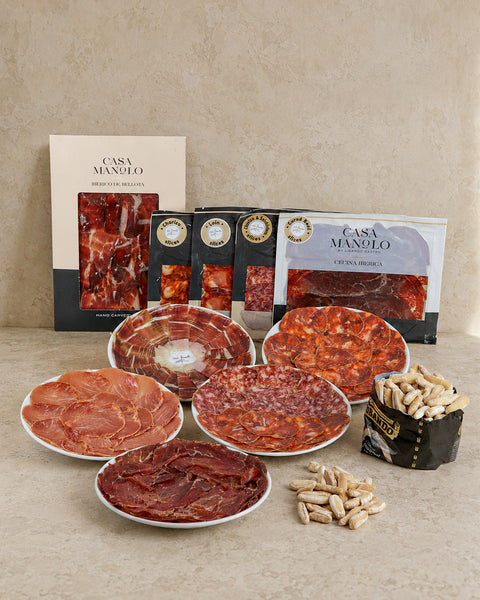
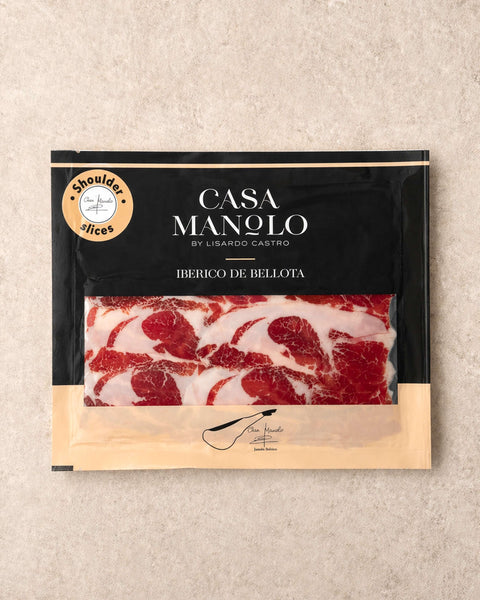
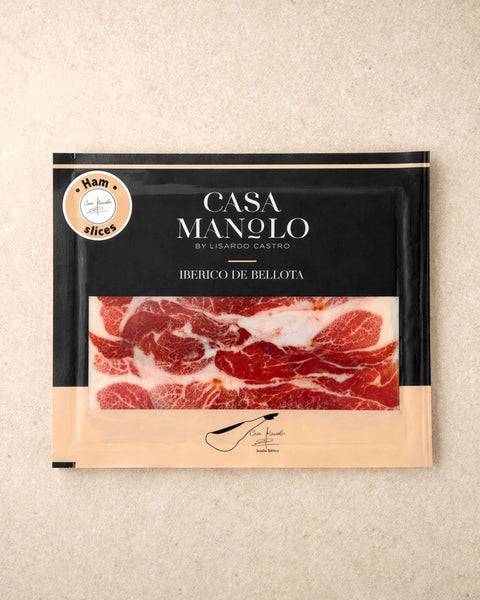
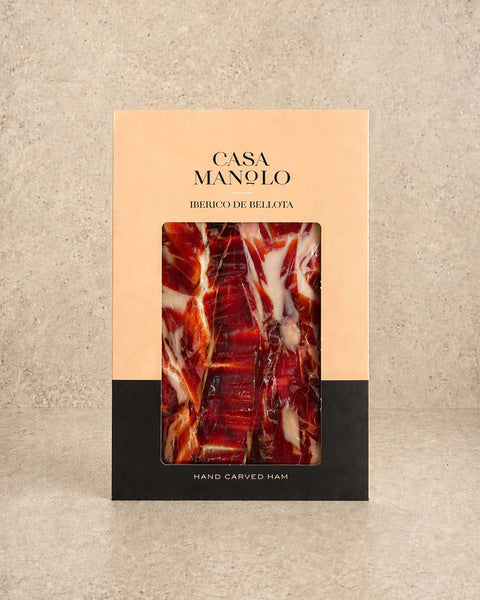
Can it pair with jamón?
Yes, especially a dry, fresh style.
Only for summer?
No. Its food-friendly structure works year-round.
The short answer
Choose a dry Spanish rosé for freshness across fish, peppers and charcuterie; judge the wine by style, not shade.