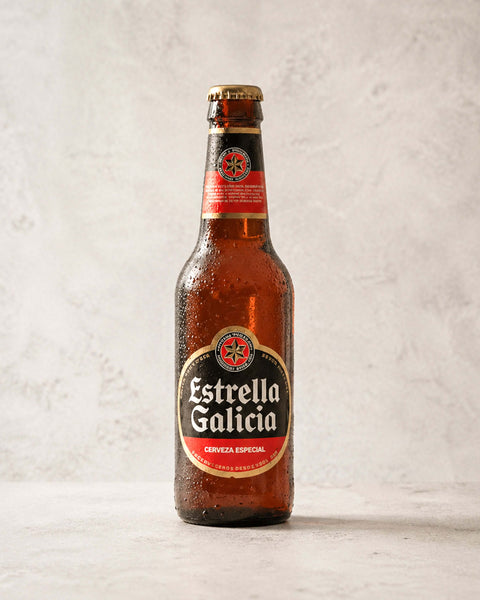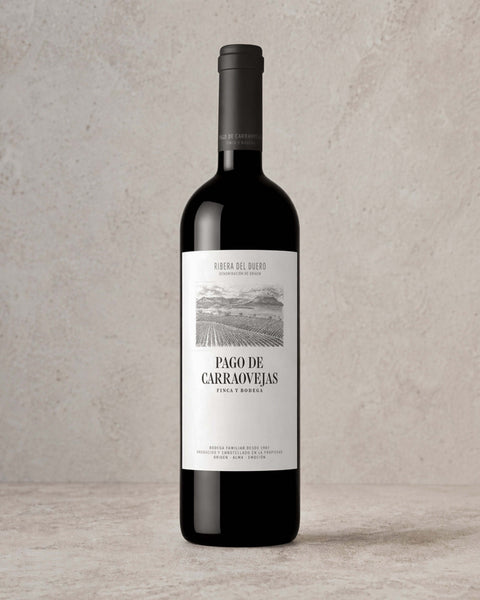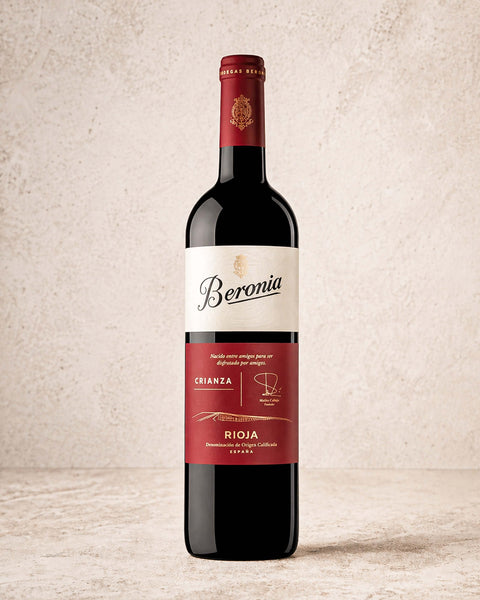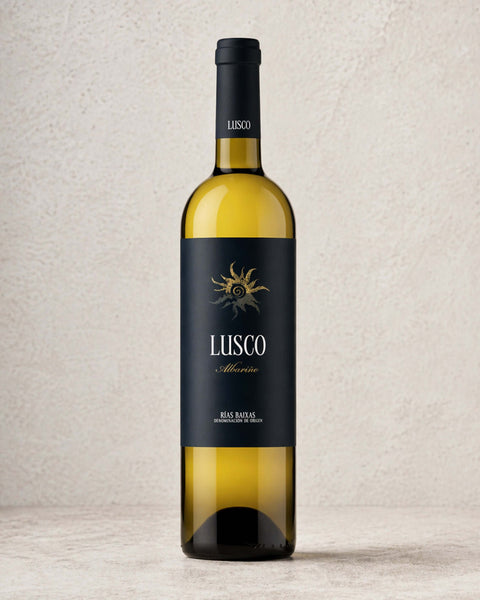
A tapas night rarely needs a different wine for every plate. Look at the menu as a whole, choose the flavours that lead it and give your guests one or two well-matched options.
If seafood and lighter bites dominate, start fresh and crisp. If the table leans towards meat and mature cheese, add a red with enough fruit to sit comfortably beside them.
| Your menu | A useful first choice | Why try it? |
|---|---|---|
| Seafood, olives and lighter bites | Albariño or another dry, fresh white | Keeps the overall pairing bright |
| Jamón, tortilla and mixed small plates | Dry Cava | A flexible sparkling option |
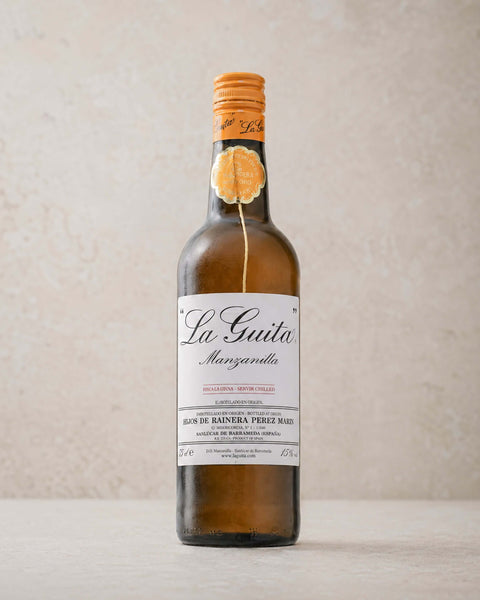
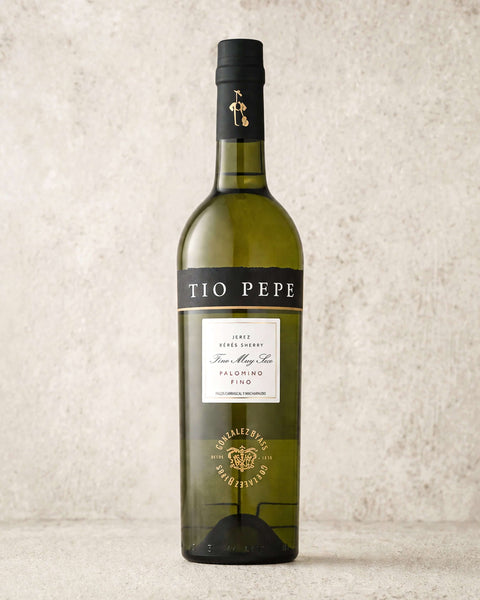
| Ham, almonds and salty snacks | Fino or Manzanilla | A savoury, dry aperitif pairing |
| Chorizo, mushrooms and meatier plates | A red with moderate tannins | Meets richer flavours without dominating |
| A varied table and different tastes | One white or sparkling wine, plus one red | Gives guests an easy choice |
On a small screen, swipe or scroll across to compare.
Start with three or four dishes
Write down what you will actually serve before choosing the wine. A plate of ham, some tortilla, olives and one warm dish already gives the evening a shape.
One ingredient can change the balance. Anchovies add salt; a tomato dressing adds acidity; hot paprika brings heat. Match the strongest flavours on the table rather than trying to find a perfect partner for every garnish.
A seafood-led table: begin with white
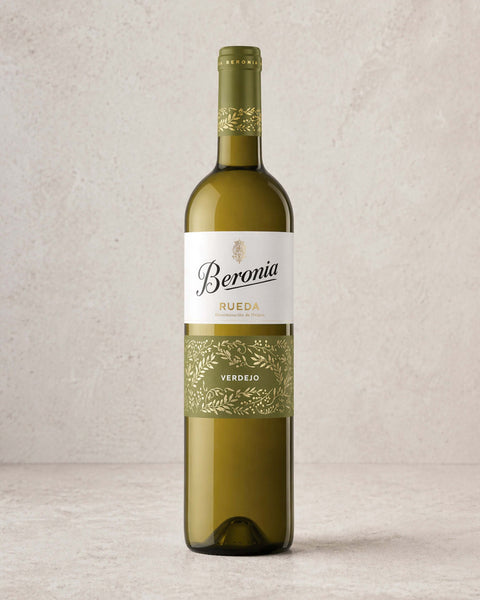
Albariño is a useful starting point for seafood tapas and lighter sharing plates. Choose a dry style with freshness, particularly when you are serving prawns, conservas or simple grilled fish.
Keep heavy sauces in mind. Fish in a rich sauce may ask for a different wine from the same fish served simply. Browse the wines and sherries collection and read the individual bottle description.
A mixed tapas table: consider Cava
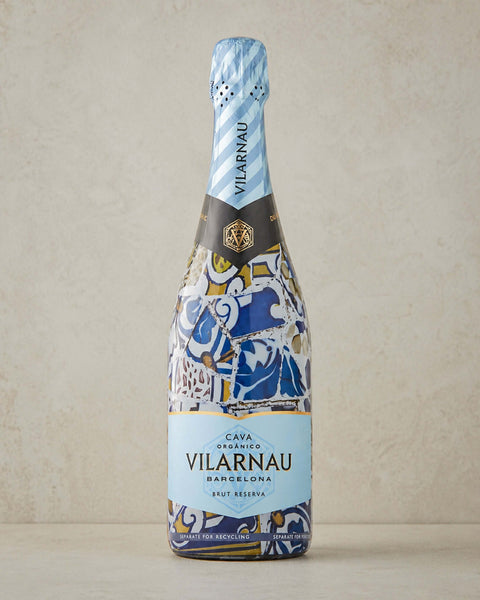
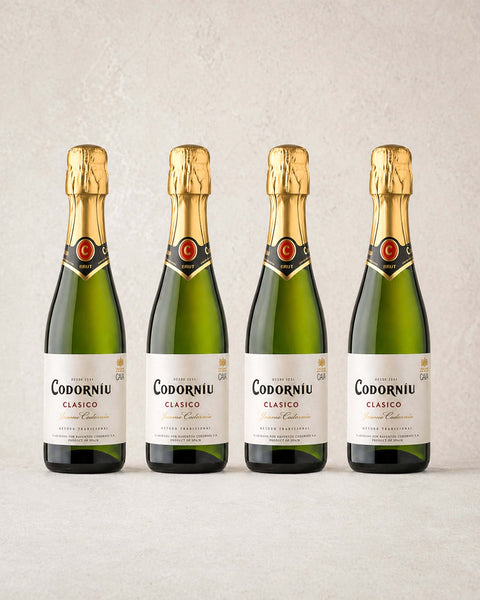
Dry Cava is a versatile option when the menu includes several textures, from ham and olives to fried bites. It also works well when you want the first glass to feel celebratory.
Look at the bottle’s sweetness indication if you prefer a dry style. The word Cava describes the wine category; it does not by itself tell you how sweet every bottle will taste.
Three starting points for tapas night
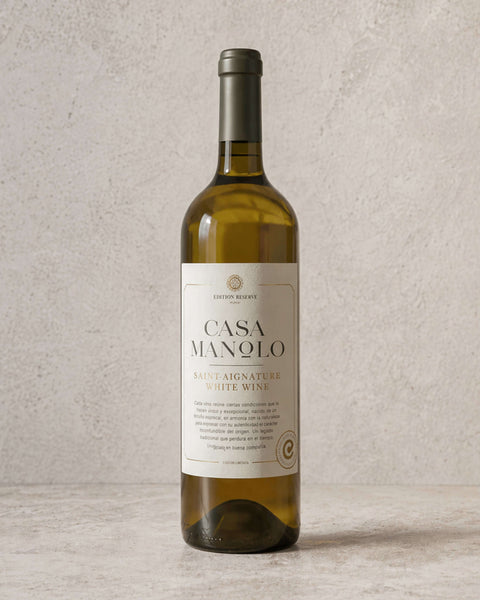
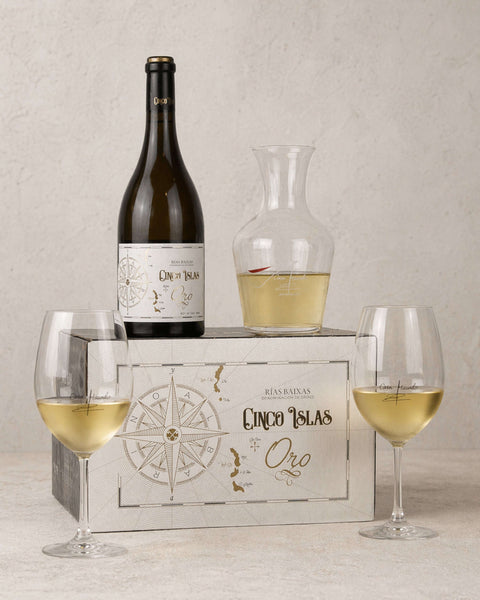
 Casa Manolo Albariño (Limited Edition)
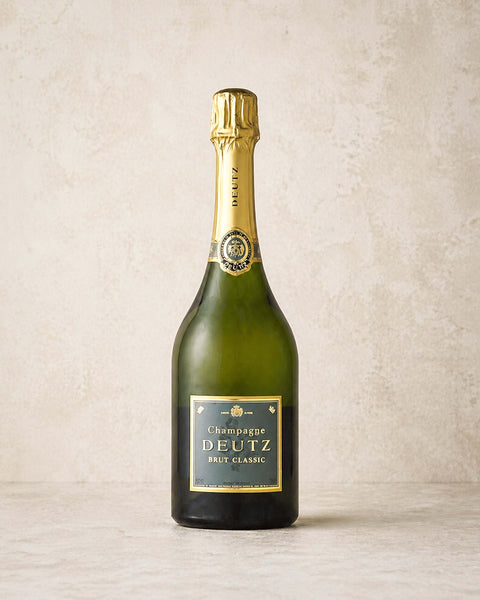
 Vilarnau Cava
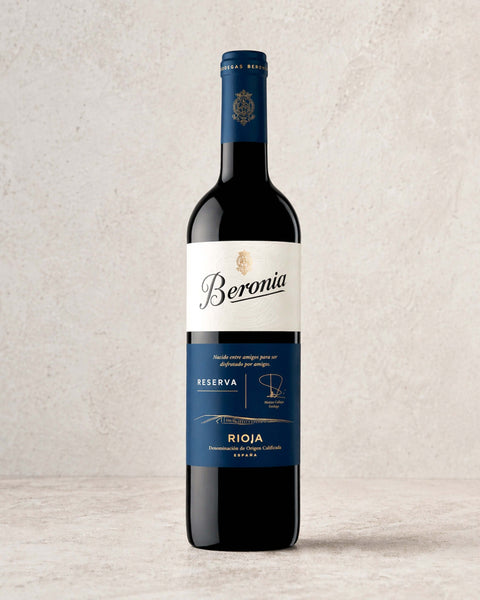
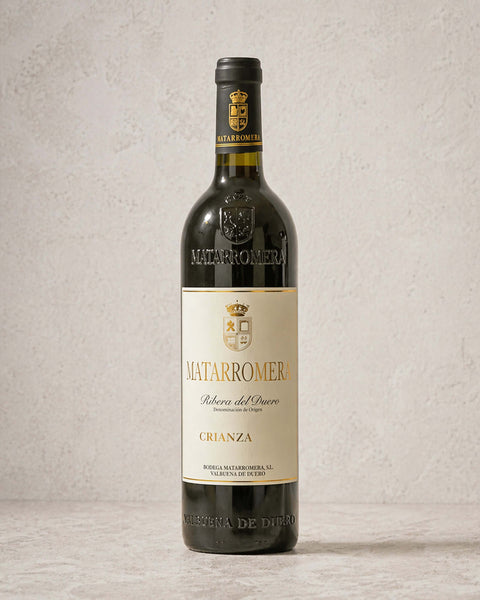
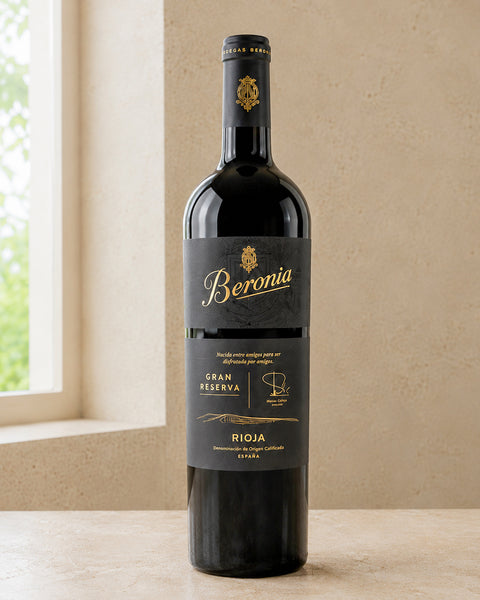
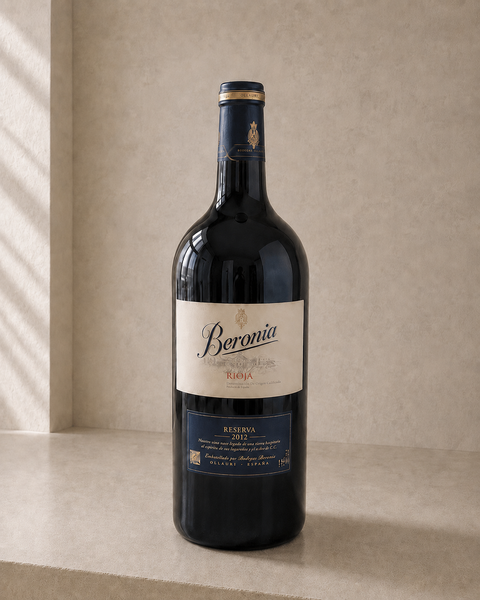
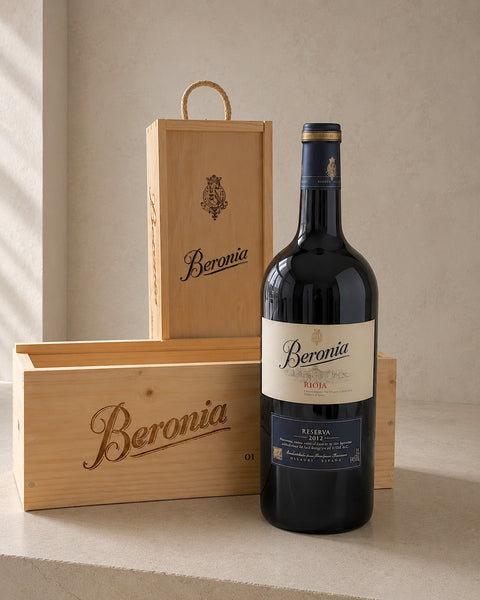
 Beronia Rioja Reserva
A richer menu: choose the red carefully
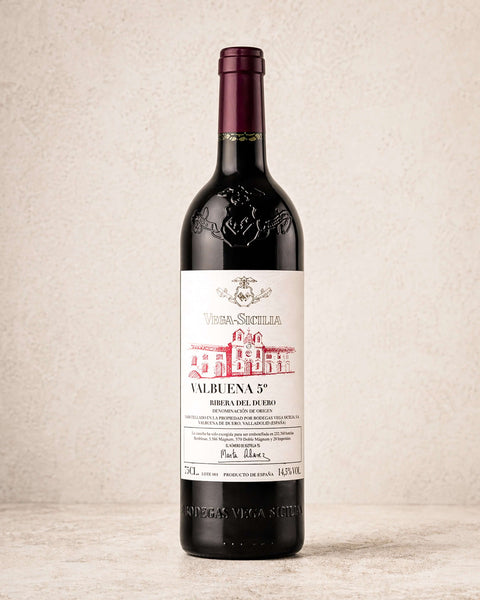
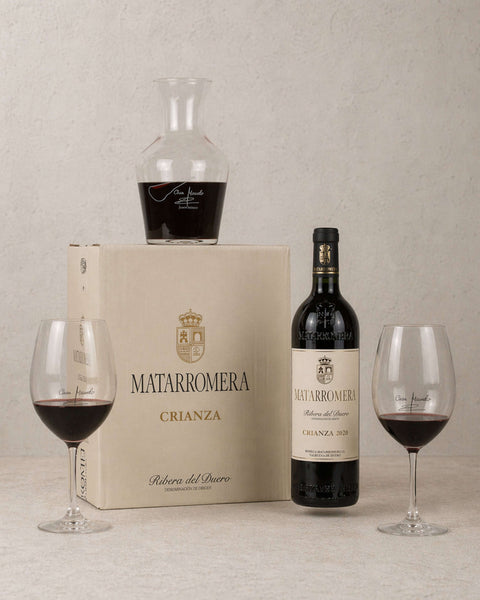
With chorizo, mushrooms or meatier plates, try a red with fruit and moderate tannins. Rioja offers a range of styles, so read the producer’s notes rather than treating the region as one flavour.
A heavily oaked or very powerful bottle can obscure delicate dishes. If the chorizo is spicy, begin with a small taste of the pairing: heat and a forceful wine can amplify one another.
If you are buying one bottle or two
For one style, follow the dominant food and your guests’ preferences. A seafood-heavy table points towards a fresh white; a meat-led menu towards a balanced red; a mixed celebratory spread may suit dry Cava.
For two styles, a white or sparkling option alongside a red is an easy combination. There is no need to turn the evening into a formal tasting. Put water on the table and offer an alcohol-free choice too.
A simple serving plan
Chill whites and sparkling wines according to the producer’s advice. Keep reds away from kitchen heat; room temperature should not mean beside the oven.
Start with small pours so guests can try wine with the food. Refill the plates gradually, keep chilled foods stored until needed and let the meal unfold. For ingredient-by-ingredient suggestions, use our Spanish wine pairing guide.
A quick check before you choose
Do I need a wine for every dish?
No. Choose for the dominant flavours, then offer a second style if the menu or your guests’ tastes are very varied.
What if half the guests prefer red?
Offer a fresh white or sparkling wine alongside a balanced red. Personal preference matters more than a rigid pairing rule.
Can I serve sherry with tapas?
Yes. Fino or Manzanilla can be a lovely dry option with ham, olives and almonds. Sherry includes very different styles, so check the label.