Tempranillo connects many Spanish red wines, but it does not make Rioja and Ribera del Duero taste the same.
Place, blending, oak and ageing shape the result, while local names such as Tinto Fino can hide the shared grape.
| Region | Common label clue | Expect variation from |
|---|---|---|
| Rioja | Tempranillo plus ageing term | Blends, subzone and producer. |
| Ribera del Duero | Tinto Fino or Tinta del País | Altitude, oak and vintage. |
| At home | Producer description | Food and serving temperature. |
On a small screen, swipe or scroll across to compare.
Learn the local names
Tempranillo may appear under regional synonyms. The appellation and producer give essential context.
Names such as Tinta del País or Tinto Fino may appear in regional contexts, so the appellation and producer information help identify how the grape is being used. Do not assume a familiar synonym guarantees the same blend, ageing or flavour. Read the exact bottle rather than buying by one word.
Do not reduce it to vanilla
Oak can add spice or toast, but fruit, acidity and tannin remain important.
Oak can contribute toast, spice and structure, but it should be considered alongside fruit, acidity and tannin. If vanilla is the only note being discussed, taste again with food and after a little air. A balanced bottle changes across the glass rather than delivering one isolated flavour.
Tempranillo label check
- Region identified.
- Local grape name recognised.
- Ageing term separated.
- Producer noted.
- Food weight matched.
Compare Tempranillo expressions
A Rioja Crianza, Ribera del Duero Crianza and varietal Tempranillo keep the grape as the thread while region and style change.
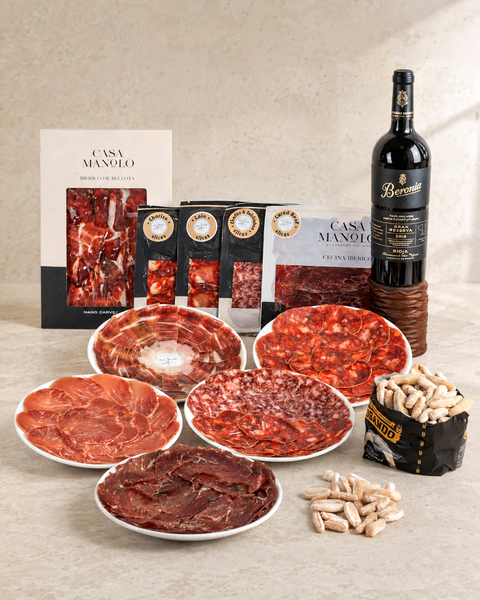
 Beronia Rioja Crianza
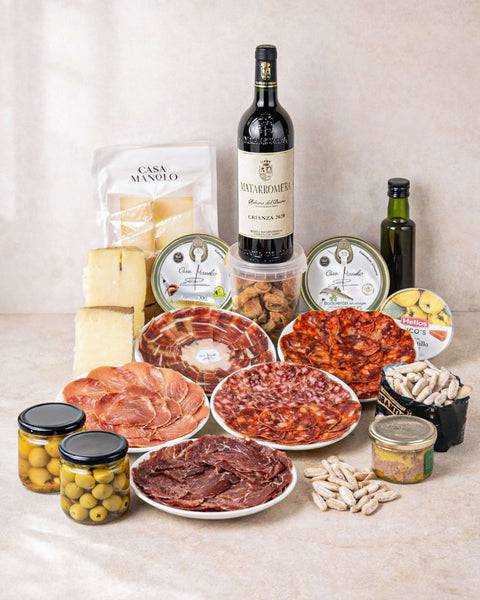
 Matarromera, Crianza (Ribera del Duero)
 Montado, Tempranillo
Compare with the same food
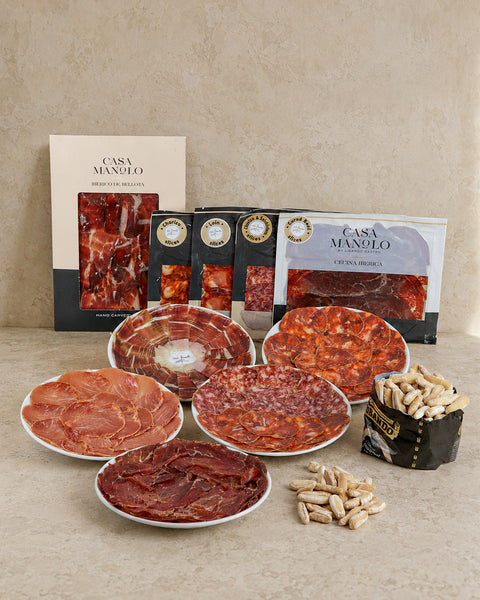
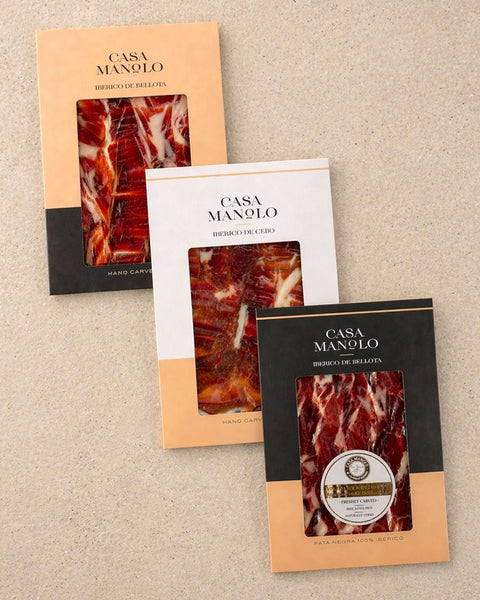
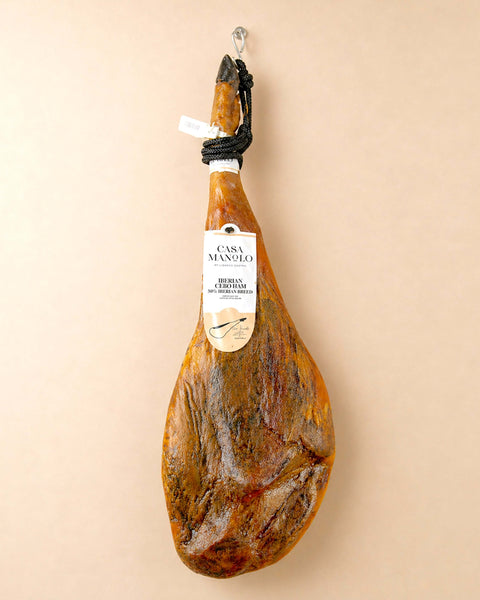
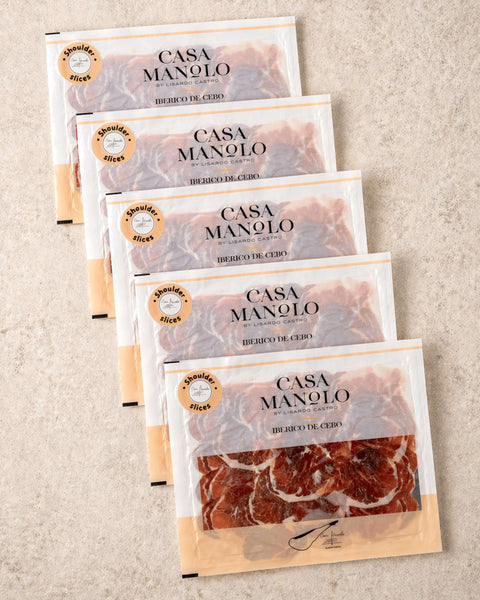
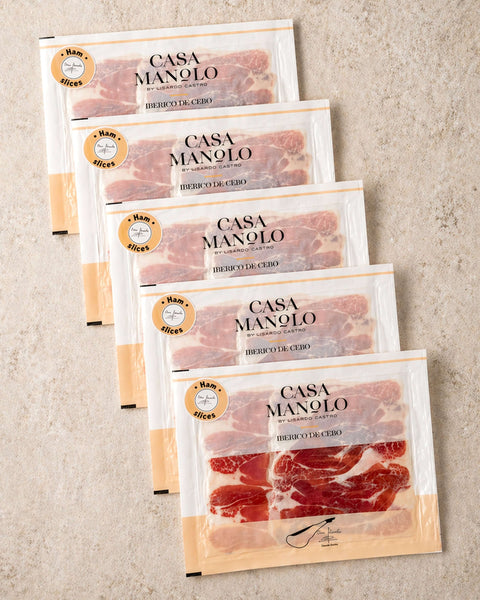
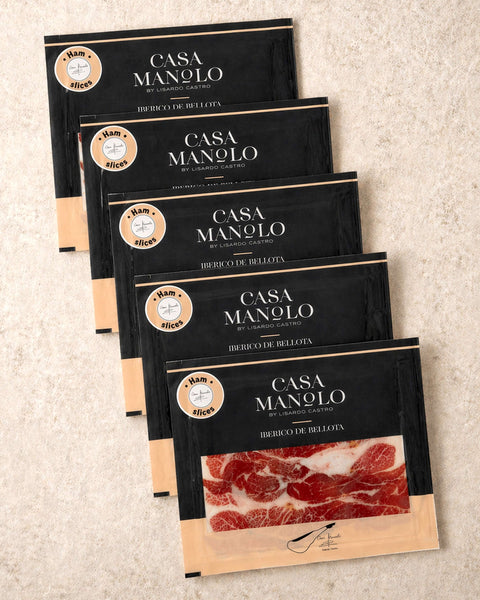
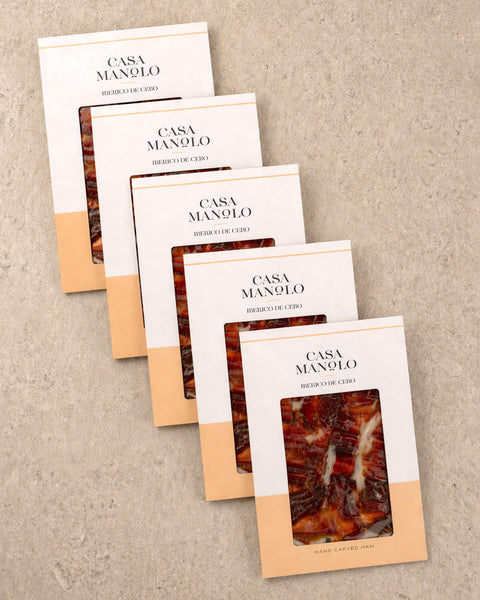
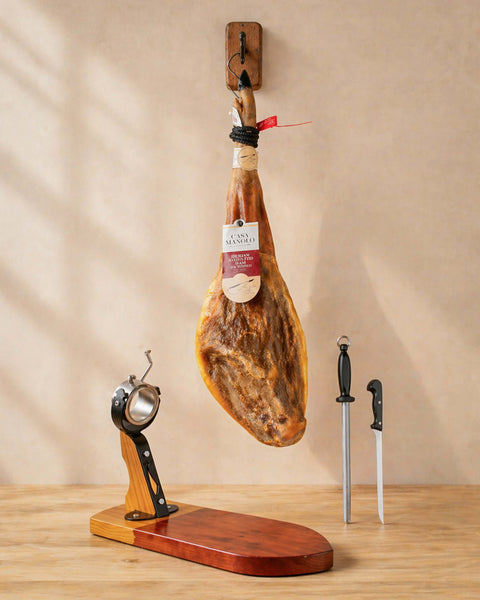
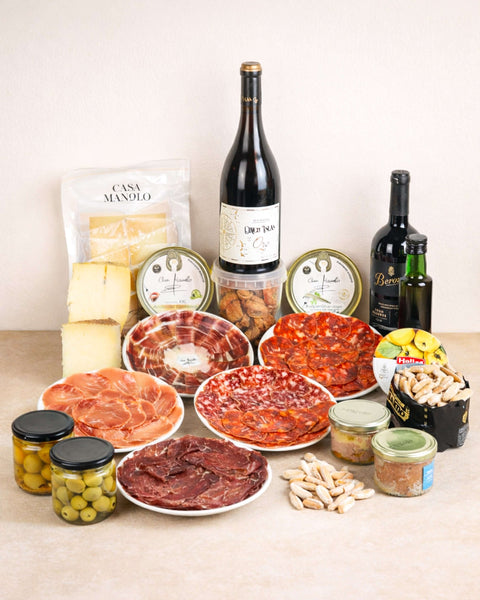
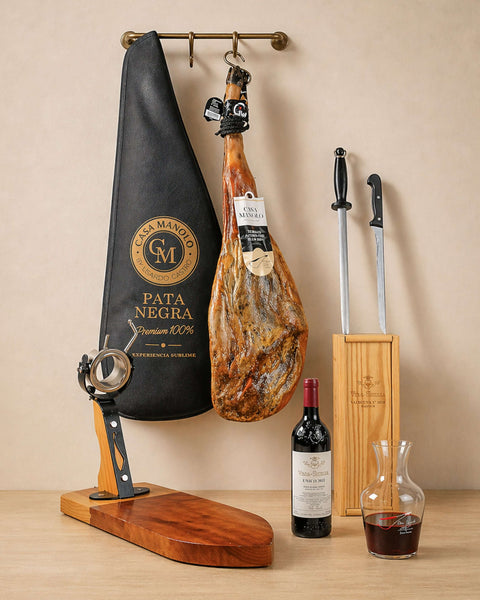
Serve two regions beside the same jamón or roast dish to isolate the wine difference.
Use the same glass, pour size and food when comparing Rioja and Ribera del Duero. Begin with bread, then add jamón or a simply cooked meat. Change only one food element at a time, because a sweet sauce or spicy garnish can make regional differences harder to see.
Read ageing separately
Crianza or Reserva describes ageing rules within a region; it is not the grape variety.
Ageing words are defined within appellation rules and describe more than the grape. A Crianza from one region is not a universal flavour template, and a young wine is not automatically lesser. Choose the category that fits the occasion, then judge the producer and vintage on their own terms.
Taste Tempranillo without chasing stereotypes
Write down the region, producer, vintage, blend and ageing indication before tasting. Cover the front labels if reputation is distracting, then note fruit, freshness, tannin and oak in four short phrases. Add food and decide which feature becomes more harmonious and which becomes more obvious.
Return to the exact bottle descriptions afterwards. The exercise connects label information with what you experienced instead of using label language as a script. Over several tastings, patterns may emerge, but keep room for producer and vintage variation; that is part of what makes the grape worth exploring.
Common Tempranillo shortcuts to avoid
Do not buy only by the grape name, the darkest-looking label or the longest ageing term. Those shortcuts ignore region, producer, vintage and blend. A prestigious category can be the wrong choice for a light tapas meal, while a younger wine may supply exactly the freshness the table needs.
Avoid serving every Tempranillo at warm room temperature or automatically decanting for hours. Taste the exact bottle first, use suitable glassware and change one variable at a time. A controlled approach protects the wine and makes your tasting notes useful when choosing the next bottle.
Do not confuse the grape with one fixed style
Tempranillo links many Spanish reds, but origin, blending, vintage, extraction and ageing can change the finished wine dramatically. Rioja and Ribera del Duero offer useful comparisons precisely because the shared grape does not erase regional rules or producer choices.
Choose two bottles at a similar ageing level, serve them in identical glasses and taste them with plain bread before food. Record fruit character, tannin, oak and finish. Then add jamón or cured cheese. This order shows whether the food softens, amplifies or hides the differences you noticed.
Tempranillo questions
Is all Rioja Tempranillo?
Tempranillo is central, but permitted blends vary; check the wine.
Is Tinto Fino different?
It is a local name for Tempranillo.
What food works?
Begin with charcuterie, roast meat or mature cheese, matched to the bottle’s weight.
The short answer
Tempranillo is the thread, not the whole story. Region, ageing and producer turn it into very different wines.