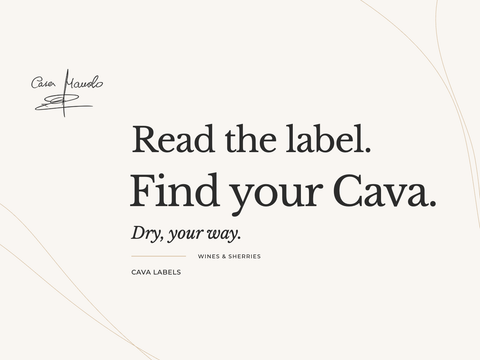
A Cava label can make a simple bottle choice sound more technical than it needs to be. Brut, Extra Brut and Brut Nature describe sweetness categories; they are not a ranking from ordinary to excellent.
Use them to narrow the style you want, then read the producer’s description for the character of the particular wine.
| Label | Sugar category | A practical reading |
|---|---|---|
| Brut Nature | Less than 3g/l; no sugar added after secondary fermentation | The driest of these categories |
| Extra Brut | 0–6g/l | A very dry category |
| Brut | Up to 12g/l | A dry style with a broader permitted range |
On a small screen, swipe or scroll across to compare.
Sweetness is one clue, not the whole flavour
Two wines in the same category can taste different because acidity, fruit character and maturation also affect your impression. A Brut bottle is not automatically sweet-tasting, and Brut Nature is not automatically the bottle you will prefer.
The official categories help you compare labels consistently. Their permitted ranges overlap, so avoid treating them as precise tasting descriptions for every wine.
Start with how you want to drink it
For a savoury aperitif or tapas, a dry style is a useful place to begin. Think about whether you enjoy a very lean impression or prefer a little more roundness.
For a gift, use what you know about the recipient’s taste. The driest label may interest an enthusiast, but choosing it only because it sounds more specialised is not a reliable way to please someone.
Look beyond the first large word
Check the producer, sweetness term, bottle size and any maturation information. A small bottle can suit a brief toast; a standard bottle suits a different occasion. Compare like with like when looking at price.
Do not assume the product photograph shows the current vintage or every label detail clearly. If a specific classification matters and the product page does not state it, ask before buying.
Explore the current Cava selection
 Vilarnau Cava
 Codorníu Cava - 4 x 20cl
Bring it to the table simply
Follow the producer’s serving advice and chill the bottle in advance. Open carefully, pointing it away from people and holding the cork while turning the bottle gently.
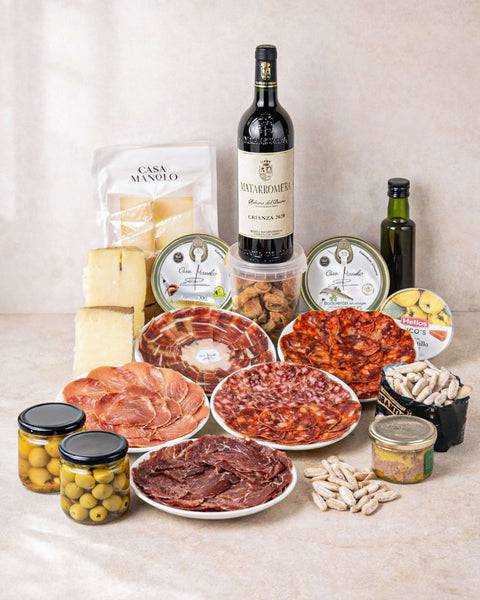
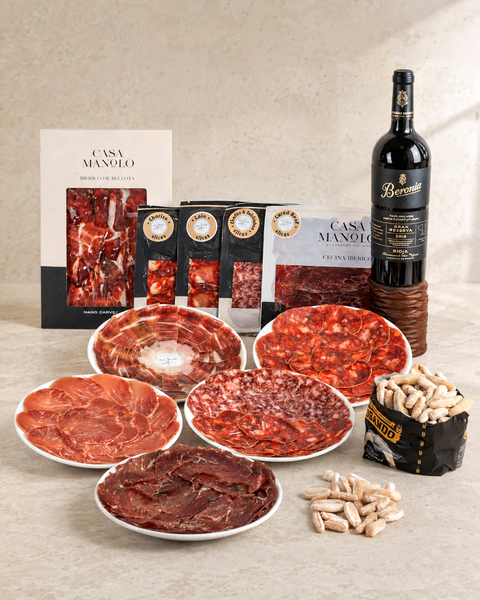
Choose glasses that let you smell the wine, and start with a small pour. For food, try a bite of ham, a crisp tapa or mild cheese and see which combination you enjoy. Keep water and a non-alcoholic option available too.
Let preference settle the decision
If you want to compare two categories, keep the food the same for both wines. Notice whether the second bottle seems sharper, softer or more fruit-led, rather than deciding which is objectively better.
A label gives you a starting point. The bottle that makes your meal more enjoyable is the successful choice.
A quick check before you choose
Is Brut Nature a quality grade?
No. It describes a sweetness category and a restriction on added sugar after the second fermentation.
Is Extra Seco drier than Brut?
Despite its name, Extra Seco is a sweeter category than Brut. Read the full sweetness description rather than relying on the everyday meaning of the words.
Keep exploring
- Which Spanish Wine Should You Buy? A Practical Guide for Jamon Iberico, Manchego and Tapas
- Best Spanish Wines for Tapas at Home: What to Buy and Why
Further reading: D.O. Cava: Brut.