Tapas timing improves when cold plates are complete before warm food starts. Warm plates help food hold briefly, but they cannot rescue overcooking.
Use an appliance-safe method and check plate guidance before heating.
| Time | Task | Result |
|---|---|---|
| 30 minutes | Cold plates and table | Guests can begin. |
| 10 minutes | Warm plates safely | No last-minute search. |
| Serve | One hot dish at a time | Better temperature. |
On a small screen, swipe or scroll across to compare.
Write the order
List dishes by how badly they wait.
List every dish and mark it cold, ready-ahead, hold-briefly or immediate. Put the immediate dishes last in the preparation sequence and give each a realistic serving gap. The written order prevents three pans reaching their final minute together and shows where a no-cook plate can create breathing room.
Warm safely
Use only plates and methods approved by manufacturer guidance.
Check that each plate is suitable for the warming method and handle it with proper protection. Warm does not need to mean dangerously hot. Tell guests when a plate is heated, keep children away from the route and never place hot crockery directly on an unprotected surface.
Timing check
- Cold round ready.
- Hot order written.
- Plates heat-safe.
- Oven gloves ready.
- Serving route clear.
Start with a cold round
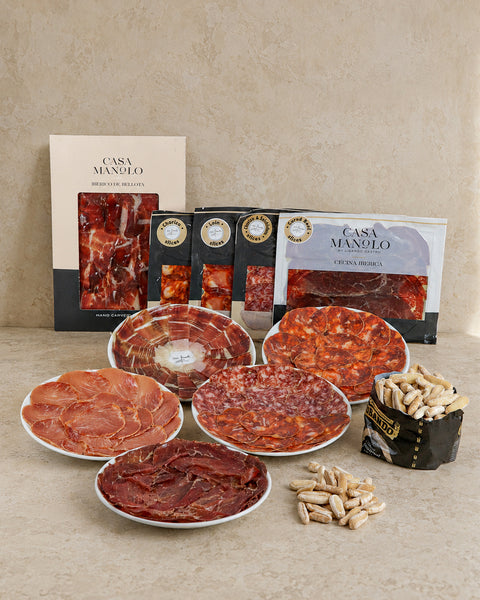
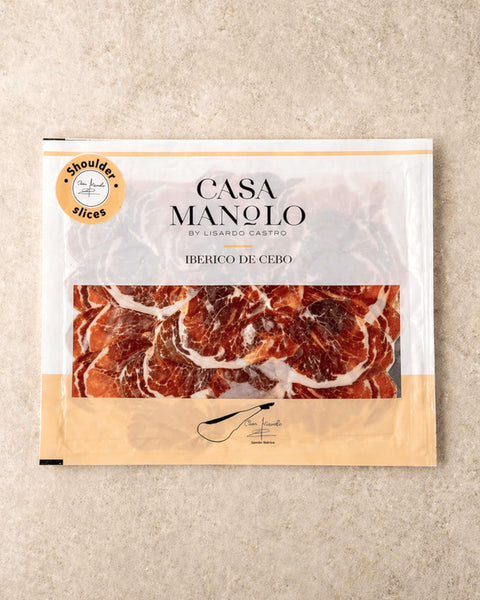
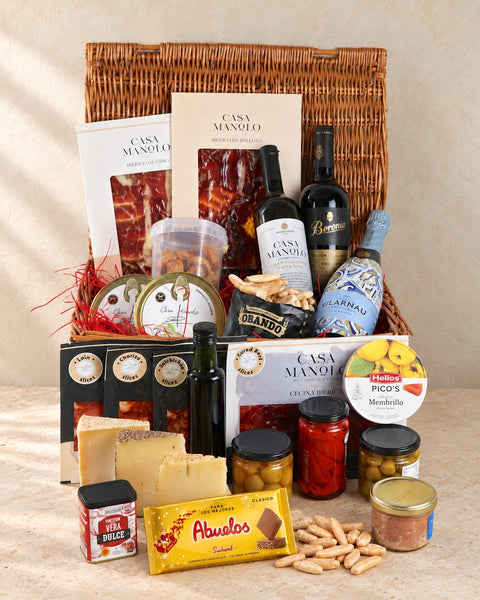
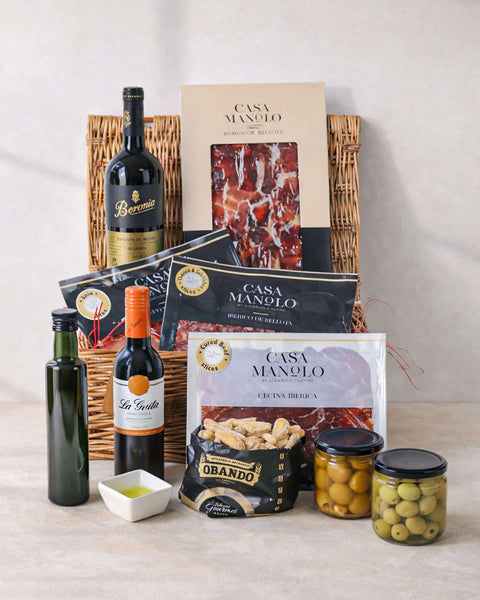
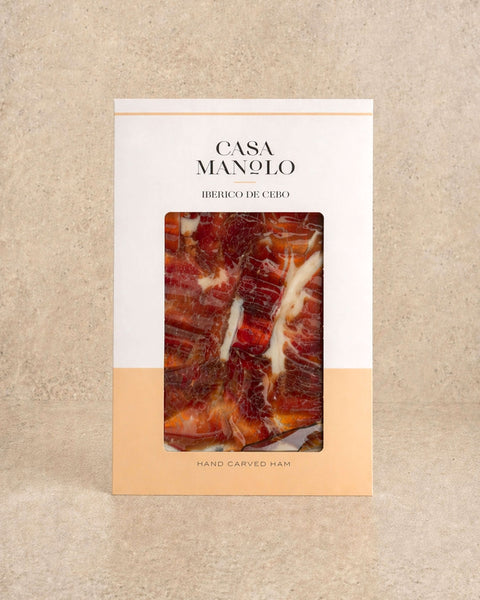
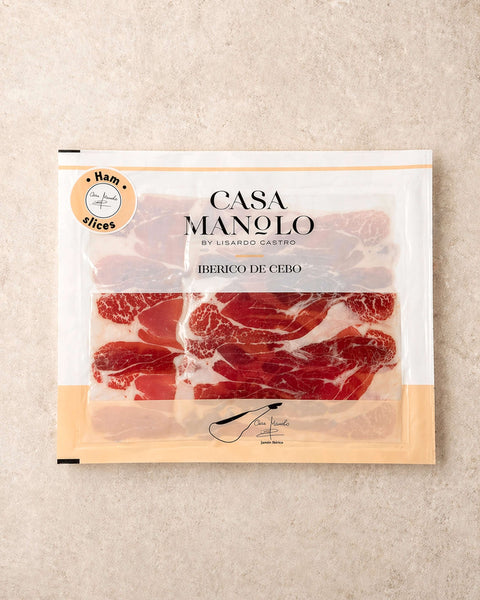
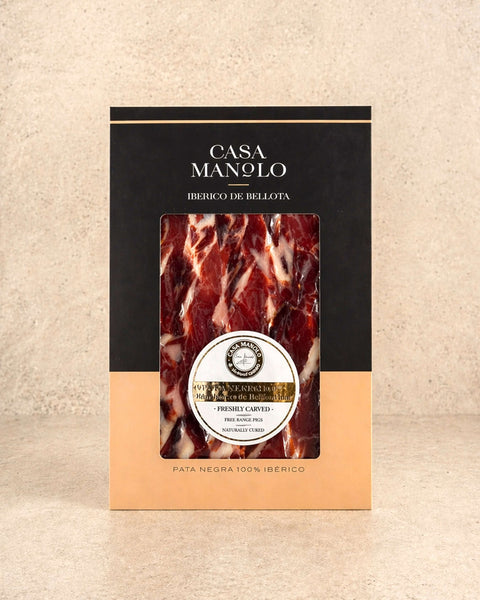
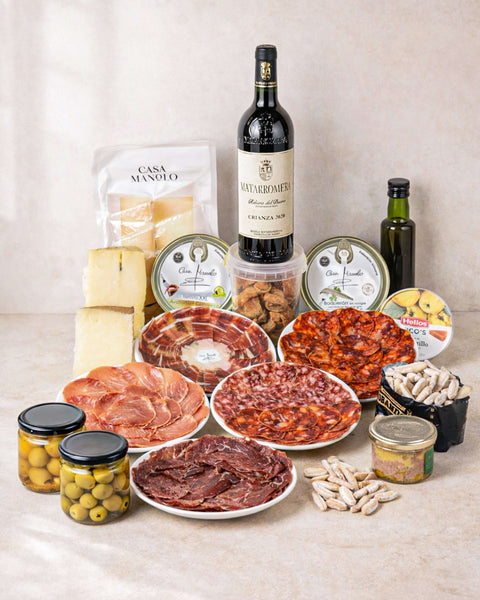
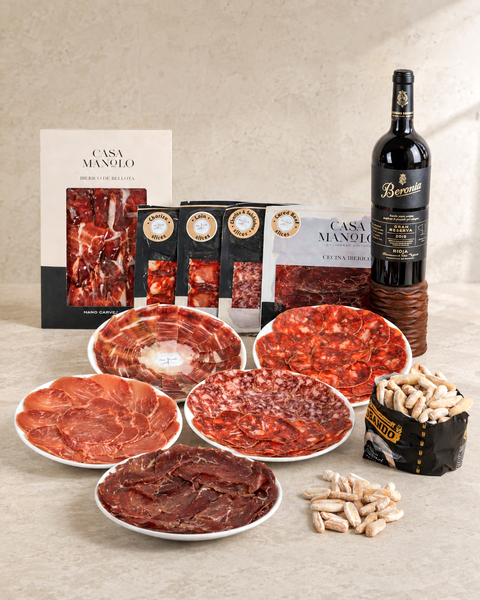
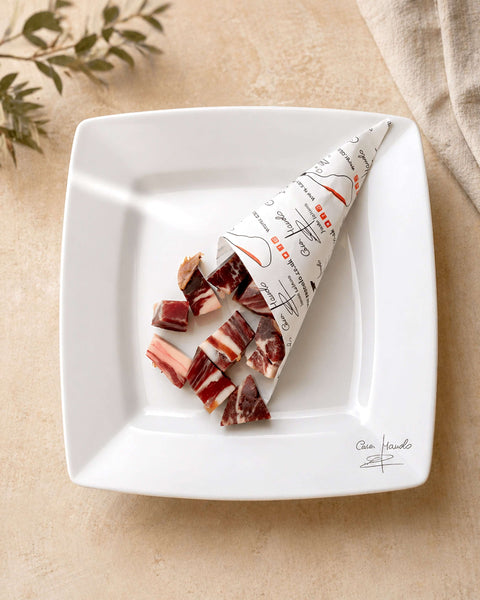
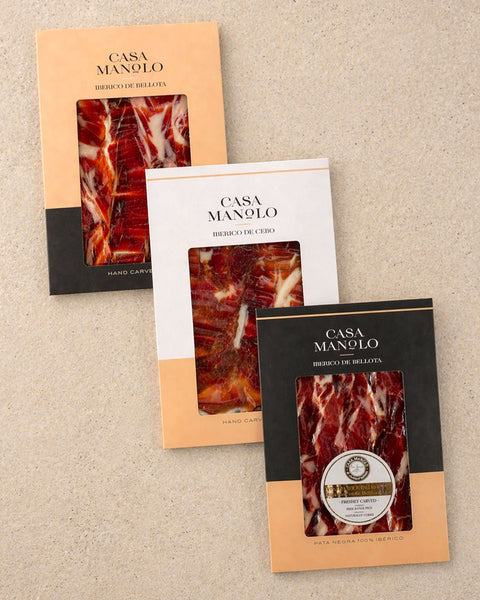
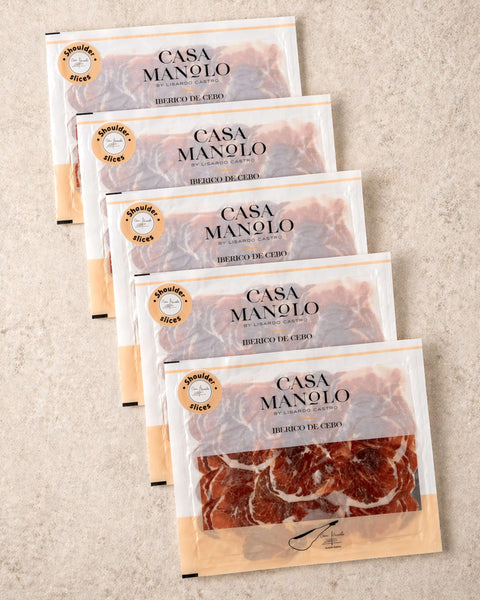
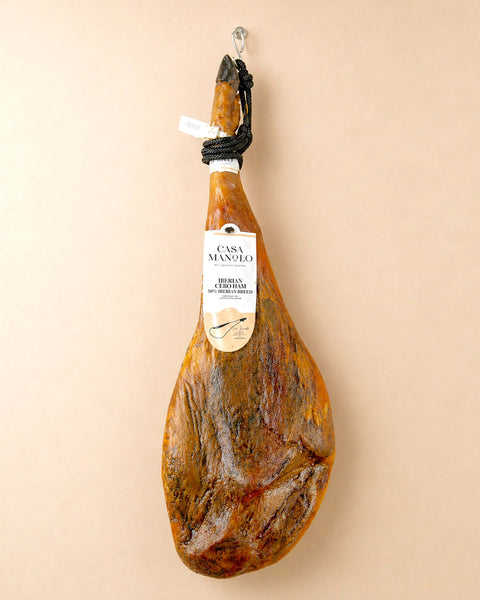
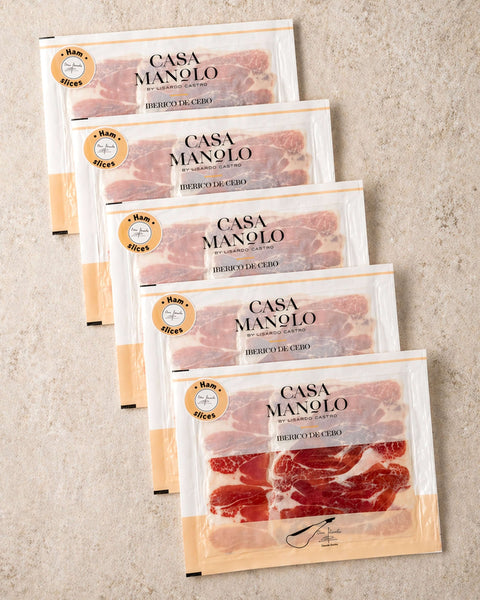
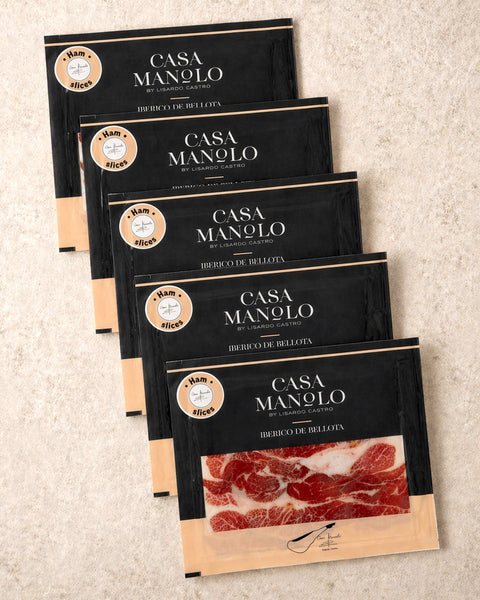
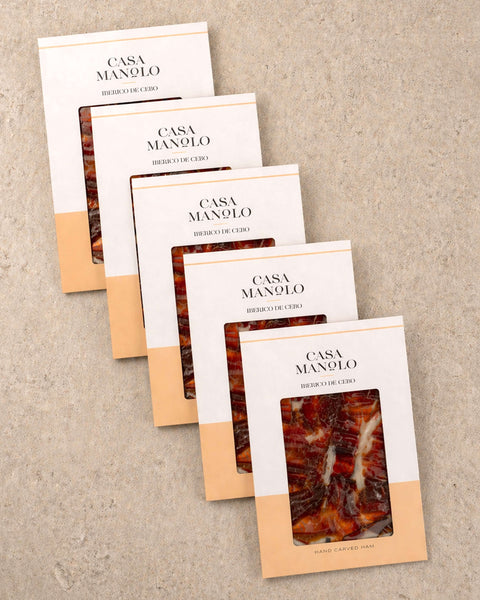
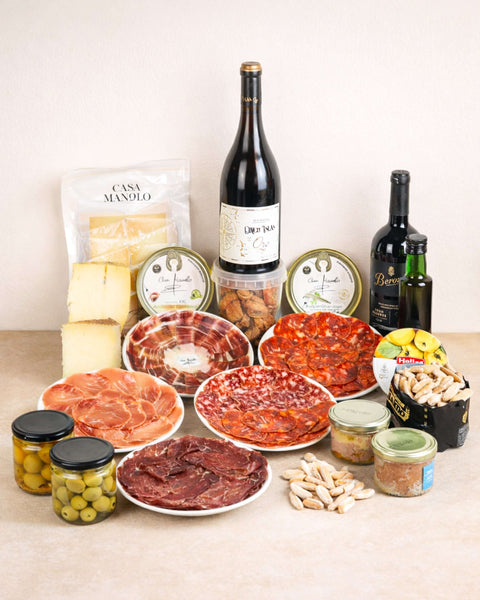
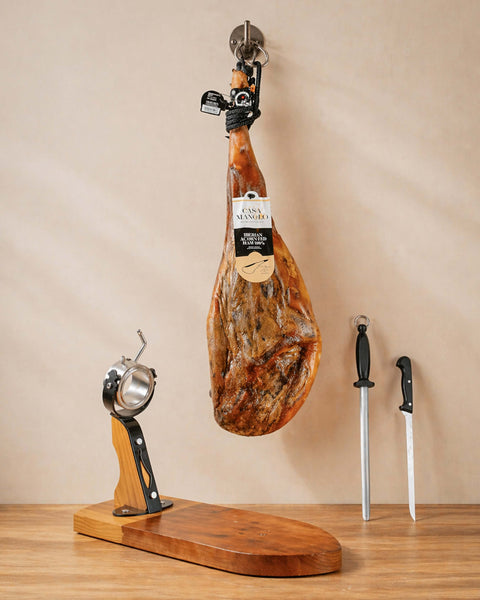
Olives, picos and jamón buy useful time for the kitchen.
 Pitted Manzanilla Olives
 Artisan Mini Breadsticks Picos
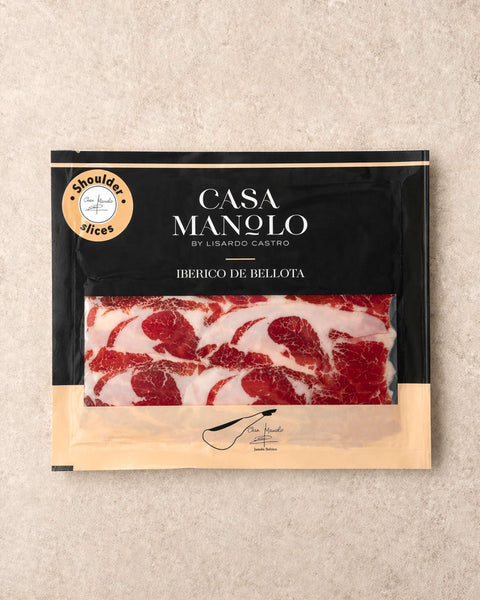
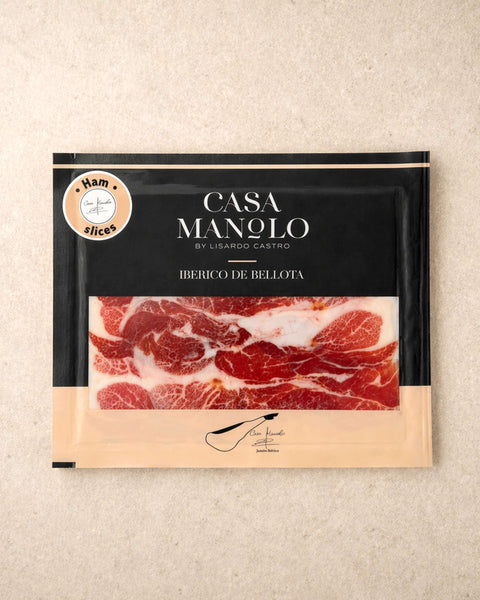
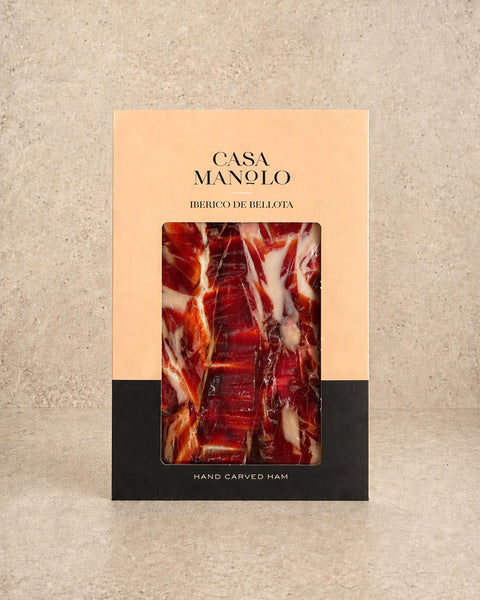
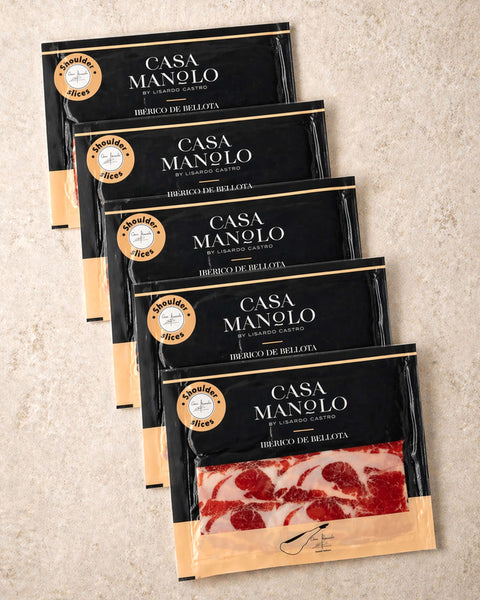
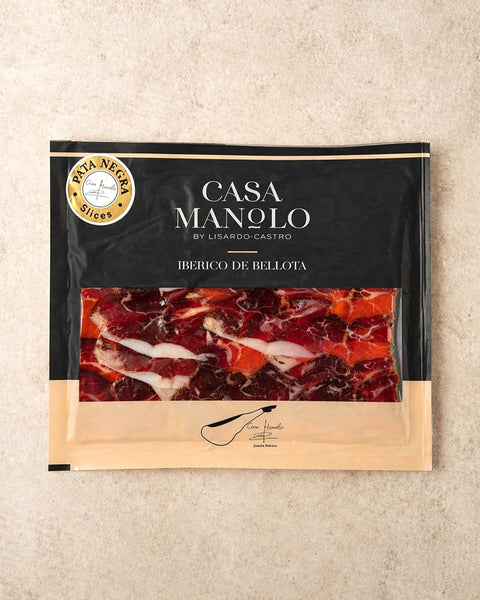
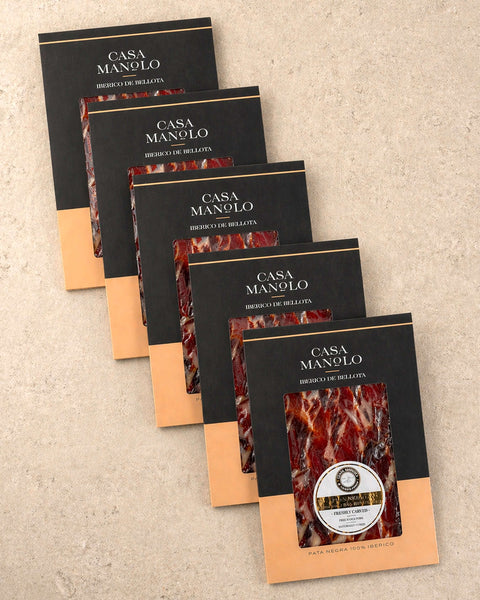
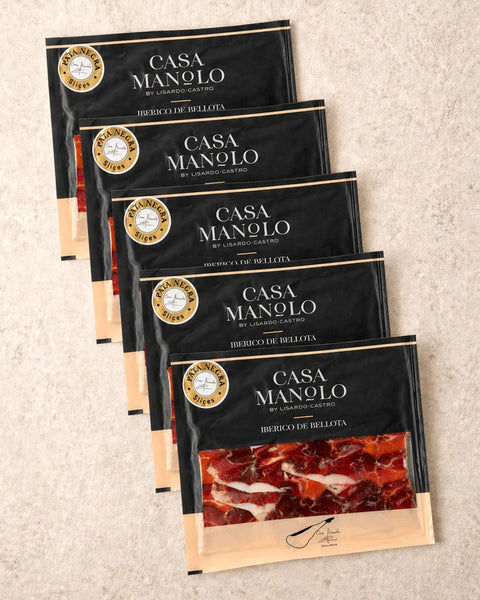
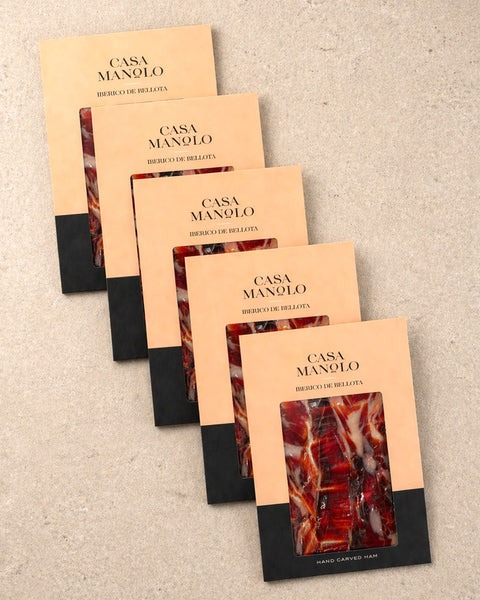
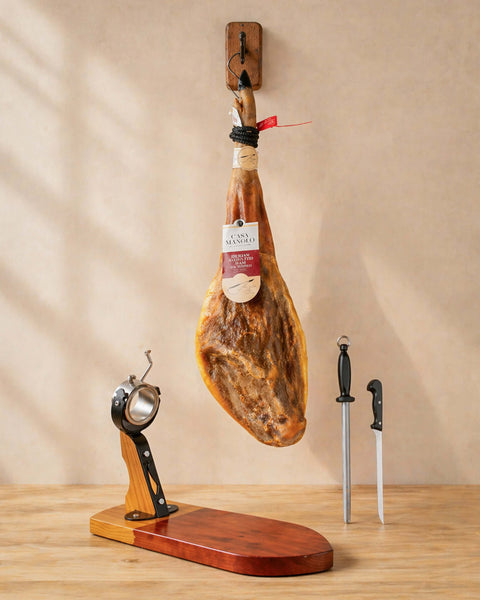
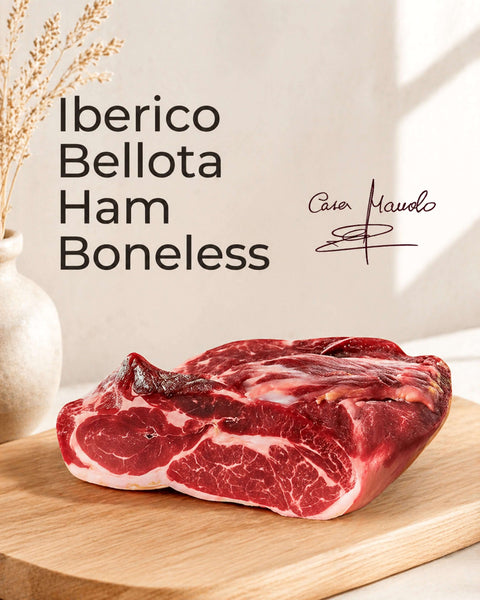
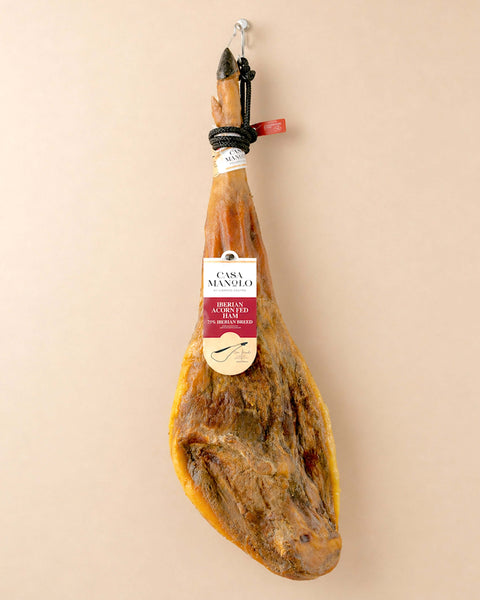
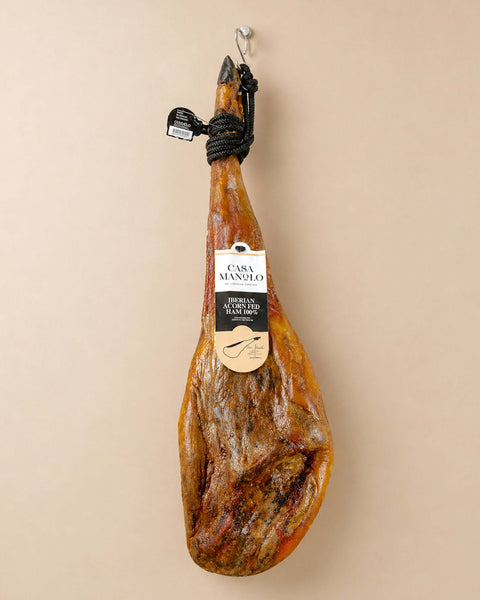
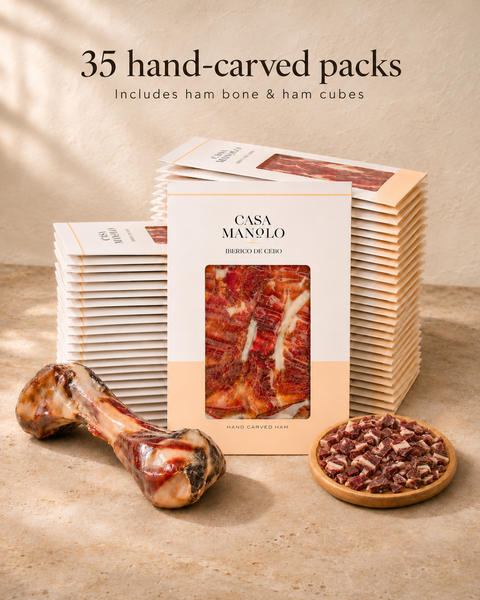
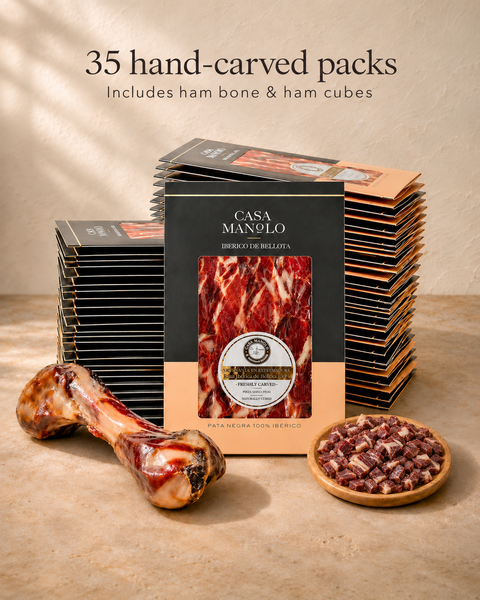
 Iberico Bellota Ham 100g
Delegate carrying
Keep guests away from the cooking zone.
Assign one person to carry and clear, but keep them out of the cooking zone until called. Give every hot dish a landing place on the table and remove empty cold plates before it arrives. Crowded service is a bigger source of stress than a short pause between tapas.
A calm ninety-minute service pattern
Begin with cold olives, conservas or charcuterie while the first warm dish finishes. Follow with a plate that can hold briefly, then serve the crisp or immediate item alone so guests eat it at its best. End with cheese or another ready-ahead course. The alternation gives the kitchen time without making the table feel empty.
Write cooking cues rather than only clock times: 'put dish B in when dish A reaches the table' is often more resilient than a rigid minute-by-minute plan. Use timers for safety and doneness, but let the service order respond to guests. Fewer hot dishes, properly paced, usually create a better evening than simultaneous abundance.
A useful kitchen staging area
Clear one section of worktop for finished dishes, with trivets, oven gloves, clean utensils and the written service order. Keep raw preparation and dirty equipment elsewhere. A defined handover point helps a second person carry food without entering the active cooking space.
Place the correct serving vessel there before cooking begins. When a dish is ready, it can move safely from pan to plate to table without a search. Reset the area between rounds and keep handles turned away from edges, particularly when the kitchen is busy.
Classify dishes by how well they wait
Mark every dish as ready-ahead, hold-briefly or serve-immediately. Olives, charcuterie and many conservas can form the ready-ahead round. Warm tortilla or a baked dish may hold briefly, while crisp fried food should be treated as immediate. Build the order around the least patient item.
Warm only plates that the manufacturer identifies as suitable for the chosen method. Use oven gloves, announce hot plates and keep the route to the table clear. A cold first round gives the cook time; it is part of the menu, not an apology for the hot food arriving later.
Set a visible timer for every hot dish and write its serving vessel beside the name. That small note prevents a finished pan from waiting while someone searches for a plate. Clear the previous round before the immediate dish leaves the kitchen so it has space and attention.
Timing questions
Heat every plate?
Only when safe and useful.
Everything together?
No; serve rounds.
Cold starter?
Yes; it reduces pressure.
The short answer
Finish cold food first, warm only suitable plates and send hot tapas one dish at a time.